
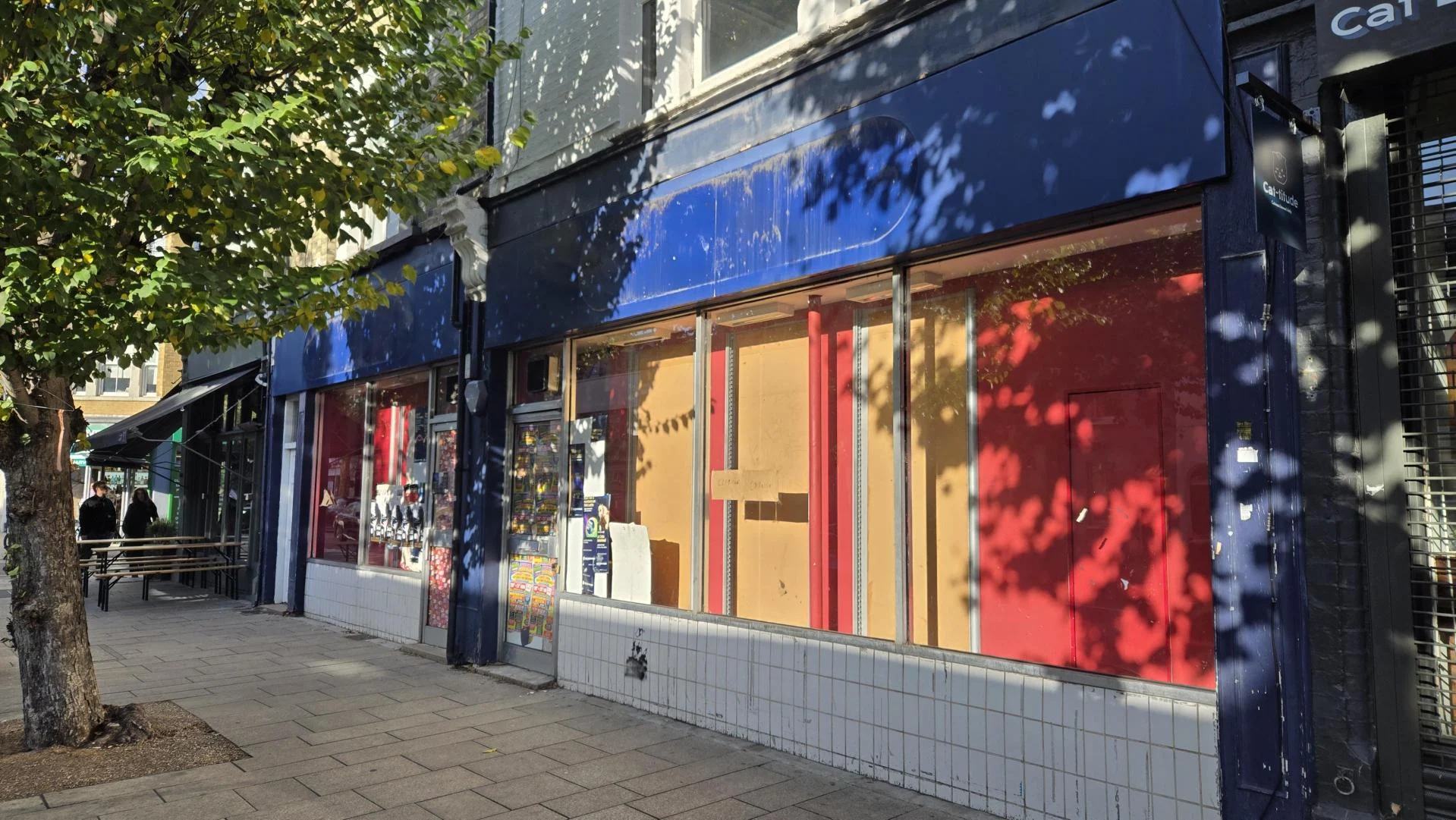
Prime Minister Andy Burnham's government has recognized the political significance of the high street in the UK, tapping into widespread concerns about its declining state. This recognition has led to a series of rhetorical and policy commitments aimed at revitalizing these crucial local areas.
Britain’s high streets have suffered due to neglect from past administrations, rising costs, the impact of the COVID-19 pandemic, and the increasing shift to online shopping. As a visible community issue, supporting high streets is popular across the political spectrum, serving the many working Britons that Burnham's locally focused policies are designed to assist.
However, not all businesses on these high streets are viewed equally. Gambling establishments have been portrayed negatively, becoming part of a narrative that positions them as villains in the story of high street revival. Last August, Burnham drew criticism from the gambling industry when he labeled betting shops alongside vape shops as ‘dodgy businesses,’ backing new powers for councils to limit gambling premises.
This narrative of gambling as a problem has persisted. When Rachel Reeves was chancellor, she nearly doubled the remote gaming tax, justifying the move by citing the harms associated with gambling. Critics pointed out that if the intention was truly to reduce harm, the revenue should have been directed towards harm reduction initiatives, which it was not.
In line with this ongoing narrative, the recent budget announcement on October 28 revealed that the government would be cutting business rates for high street businesses, funded through higher taxes on gaming machines. Chancellor John Healey highlighted that this move would exempt adult gaming centers, alongside vape shops, from the business rate cuts while raising taxes on gambling. “To pay for this support for our high streets, I am raising taxes on gambling,” he stated.
This decision garnered support from allies and gambling reform advocates. MP Alex Ballinger expressed on social media that assisting high streets must mean supporting local businesses, not advancing the interests of the gambling sector. Dawn Butler, a noted campaigner against gambling, praised the funding structure, stating that it’s a way of “taxing harm to help good business.”
The disparity in narrative is stark between the gambling tax hike aimed at supporting high streets and a recently introduced, limited banking levy to support energy bills, which Healey presented with gratitude towards the banking sector. He stated, “Our world-leading banks make a huge contribution to this country in the tax they pay, in the jobs, industry and investment they support.” The gambling sector, by contrast, received no such acknowledgment or praise.
This raises what many find to be the most disheartening aspect of the recent tax hike— the government's view of the gambling sector. It appears to be regarded primarily as a revenue source that negatively impacts high streets. Although many recognize the need for funding to assist high streets, the portrayal of gambling establishments as social pariahs perpetuates a harmful dynamic.
While it is reasonable for gambling operators to contribute to community initiatives that support other businesses, the government's current stance undermines any constructive relationship. By framing gambling merely as a source of tax revenue, the government overlooks the sector's legitimate contributions to high street spending, as highlighted by YouGov research.
Undoubtedly, dilapidated storefronts can detract from the appeal of high streets, yet increased taxes on gambling could do away with incentives for improving these businesses. It creates a counterproductive cycle that may further exacerbate the issues facing high streets.
Despite the effort to paint a nuanced picture, a tax hike on gambling remains a tax hike, and the language surrounding it matters significantly. By portraying gambling as a vice with deep financial resources, the rhetoric legitimizes ongoing tax increases that could result in additional closures and job losses for high street businesses.
The sentiment regarding the government’s approach may be more troubling than the tax hike itself. While the impending increase in gambling duties was anticipated, with discussions around rates from 25% to 40%, analysts suggest that the adjustments might be manageable.
However, the uncertainty surrounding potential future increases leaves operators uneasy. Some members of Labour, including Butler, have indicated their desire for the MGD to rise to 40%, further contributing to instability in the regulatory and fiscal landscape for the gambling industry.
Burnham and Healey's dismissive attitude towards the sector threatens not only the economic aspect of high street businesses but also damages the potential for a healthier relationship between the industry and government, ultimately hindering the revival of the high street they aim to champion.

