
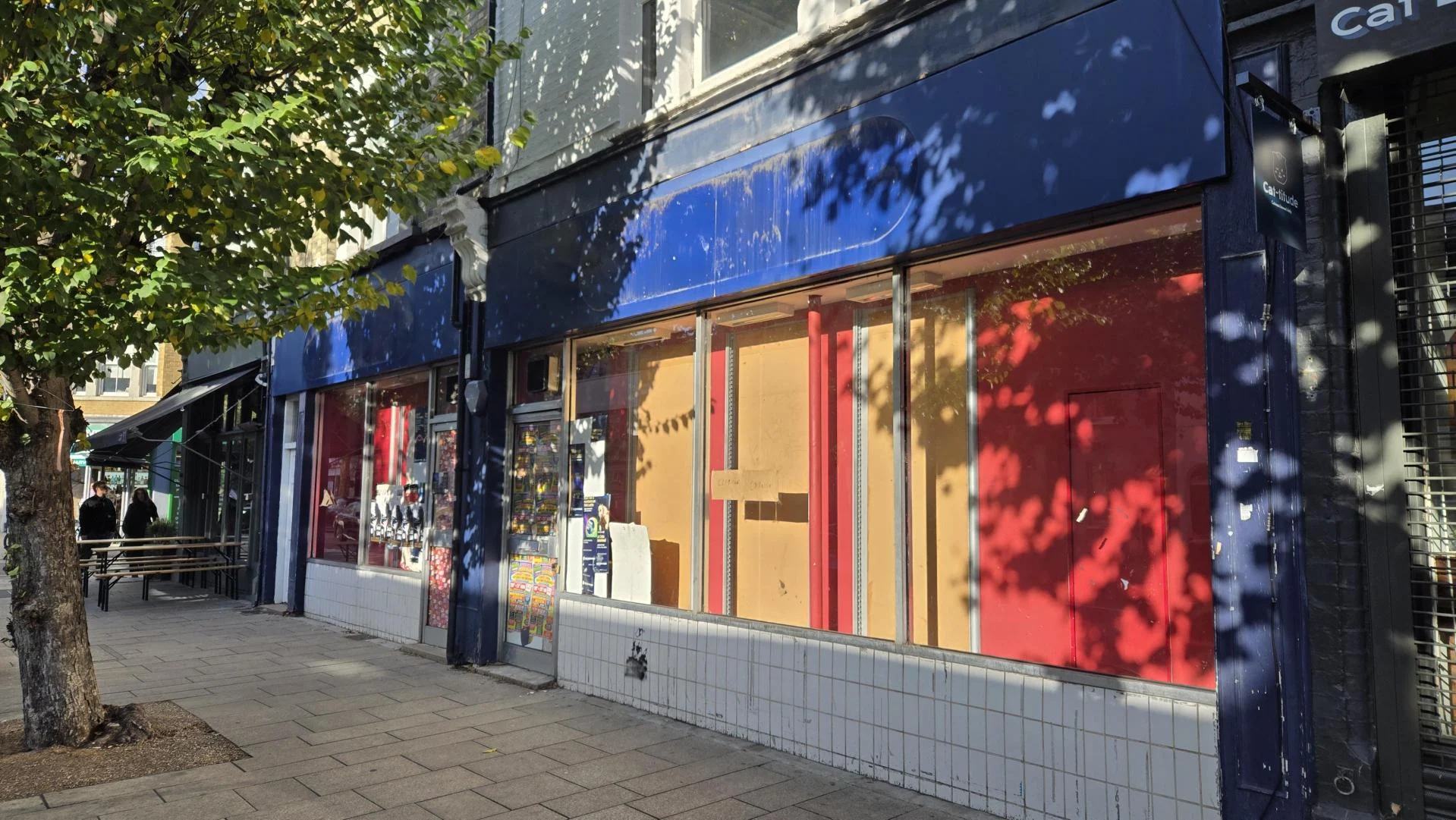
Prime Minister Andy Burnham has recognized the declining state of the UK high streets as a significant political issue. This perception has enabled his government to attach its policies and rhetoric to the plight of these local shopping areas, which are viewed as suffering from neglect, rising costs, the impact of the Covid pandemic, and the expanding online retail sector. High streets resonate with the public, as they directly affect many working Britons whom Burnham aims to support through a local-focused political approach.
However, the narrative surrounding high street businesses is not uniform, as gambling establishments are often portrayed negatively within this context. In August, Burnham sparked backlash from the gambling industry by categorizing betting shops alongside disreputable vape shops, labeling them as "dodgy businesses" while announcing enhanced powers for local councils to reject new gambling premises.
This criticism marks a continuation of a trend that began with former Chancellor Rachel Reeves, who raised remote gaming taxes drastically last year, linking these increases to the perceived harms of gambling. The gambling sector argued that if these taxes were meant to address harm, some of this revenue should be directed towards harm reduction initiatives—a proposition that was not realized.
On 28 October, the government unveiled its budget, which included cuts to business rates for high street businesses funded by a tax increase on gaming machines. Chancellor John Healey announced plans to raise the exemption threshold for these rates, resulting in more businesses becoming exempt and others receiving a real-term freeze.
"To pay for this support for our high streets, I am raising taxes on gambling," Healey stated, also indicating that adult gaming centers and vape shops would be excluded from the business rate relief. He reinforced this message by stating, "I’m raising taxes on gambling to support good growth on every high street."
The move was celebrated by supporters of gambling reform. MP Alex Ballinger remarked on X that, "supporting our high streets should mean backing local businesses that help them thrive, not serving the interests of the gambling industry." Dawn Butler, a vocal critic of gambling practices, commended the funding strategy, proclaiming on Facebook, "Basically we’re taxing harm to help good business."
The budget also included a “time-limited” tax hike on banking sectors dedicated to energy bill support, contrasting with the narrative surrounding the gambling tax. Healey praised the banking industry, expressing gratitude for its contributions to the UK economy and urging it to support financial breathing room for everyday people. However, gambling was notably omitted from such commendations.
This omission reflects a disheartening aspect of the government's approach, which appears to view gambling primarily as a revenue source rather than an industry deserving acknowledgment. The government’s stance implies that gambling entities are mere cash cows, easily taxed to fund other sectors.
Healey's willingness to solicit cooperation from banks highlights a double standard. While it is necessary to identify funding sources to revitalize high streets—a valid goal—this approach reduces gambling establishments to a necessary evil, disregarding their legitimate contributions to local economies.
While gambling does have social costs, it also provides economic benefits. Many argue that higher taxes on this sector could be justified—as long as the funds directly help the communities affected by gambling harms. However, the current tax strategy undermines this concept by framing the gambling industry as an undeserving contributor to local revitalization efforts.
While deteriorating shop fronts add to the overall bleakness of many high streets, increasing the gaming machine duty lacks incentive for improvement in these businesses, creating a cycle that harms the very high streets the government aims to uplift. Words surrounding these tax hikes matter, as they shape perceptions and policy directions, legitimizing future tax increases that could prompt shop closures and job losses.
Therefore, the government's narrative is significantly more concerning than the tax hike itself. Although a hike in betting taxes was anticipated, analysts suggested that such increases might be manageable for the industry. Nonetheless, the government's rhetoric creates uncertainty about the future regulatory environment, which could stifle investment and undermine long-term planning for operators within the gambling sector.
Burnham and Healey’s current stance, overlooking the strengths of the gambling segment, poses risks beyond immediate economic effects, potentially harming efforts to restore the cherished high street.

