
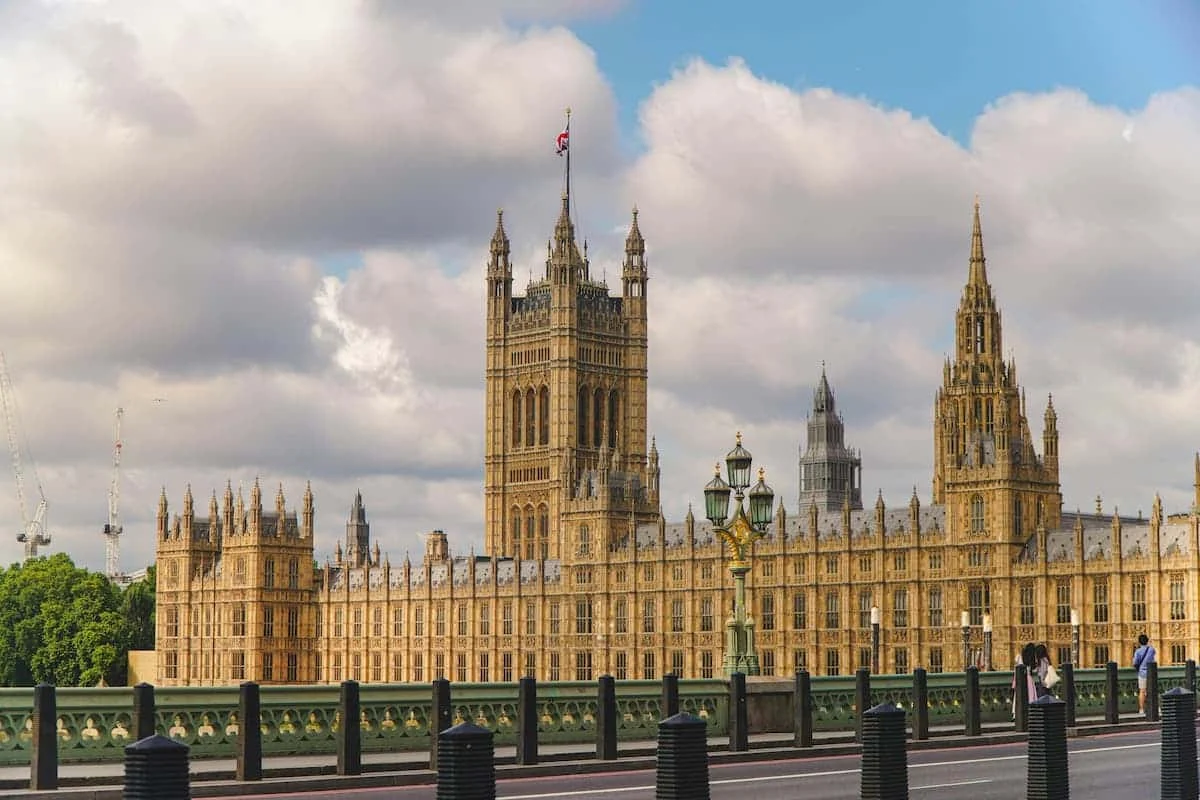
The UK House of Lords convened today to discuss the ratification of the Macolin Convention, highlighting its critical role in combating match-fixing on a global scale. The International Agreements Committee listened as Karen Moorhouse, CEO of the International Tennis Integrity Agency (ITIA), explained the dual nature of the issue, stating that athletes involved in match-fixing often become victims themselves.
"They have been corrupted by someone who’s preyed on their vulnerability to get them to corrupt something in a sports event," Moorhouse asserted.
Moorhouse further elaborated, stating, "Corrupters are good at what they do. They go to great lengths to avoid detection, in terms of where they’re putting the money on, but also how they’re recruiting and training players to avoid that detection."
While the ITIA has taken action against players conspiring in match-fixing scandals, it faces challenges in identifying and prosecuting the true masterminds behind the scenes. This creates a cycle in which criminal organizations continually target new players. Moorhouse noted, "We can keep taking action against players, but once they’re identified, removed from the sport, the corrupter will just move on to the next player. So, we need to work together to ensure we’re actually dealing with the root cause, rather than just someone within that chain."
Expressing a similar sentiment, Nigel Mawer, Co-Chair of the Sports Betting Integrity Forum, underscored the limitations faced by sports governing bodies in addressing match-fixing comprehensively and prosecuting offenders. "One of the big problems is that we’re heavily reliant on sports governing bodies to deliver investigations and processes to manage this particular problem," Mawer remarked. He lamented the rarity of criminal prosecutions for these offenses in the UK.
In contrast, broader investigations in the US have begun to yield criminal charges against both players and the groups involved in match-fixing. The panel discussed the need for more coordinated international responses, especially in smaller European nations, to effectively target these criminal organizations.
During the discussions, John Pierce, Director of Enforcement & Intelligence at the UK Gambling Commission, advocated for the ratification of the Macolin Convention. He emphasized that joining the treaty would facilitate swifter data sharing, which is crucial for prosecuting match-fixers. "In my view, by joining the treaty, we’re going to increase the speed. I think that’s where it’s going to be really important. In countries that are fully ratified, there’s a massive opportunity to actually share things on a much faster basis," Pierce explained.
Both Moorhouse and Mawer urged UK lawmakers to pursue full ratification of the convention. Their appeal echoed last week's testimonies from Moses Swaibu, a former soccer player turned anti-corruption advocate, and Professor Madolina Diaconu. Swaibu, convicted of match-fixing previously, now heads GameChanger360, an organization combatting corruption in sports.
The UK has signed the Macolin Convention, an international treaty aimed at addressing sports corruption, but it has yet to fully integrate it into domestic law. Additionally, 43 European nations, along with Australia, Brazil, and Morocco, have signed the treaty, although reluctance remains regarding full ratification and the allocation of resources to combat sports corruption.
The panel noted Malta's hesitance to ratify the treaty, citing concerns that licensed gambling entities there might be adversely affected. Professor Diaconu suggested that UN recognition of the treaty could elevate its status and attract greater global attention. In agreement, Moorhouse indicated that broader ratification could fortify the international effort against corruption, which is fundamentally a global issue.
However, Lord David Hannay pointed out the improbability of the current US administration permitting UN legislation on this matter, stating, "the chances of the present US administration allowing the UN to legislate in this are close to zero."
The challenges posed by black market gambling were also a key focus of the panel's discussion. Much corruption is linked to Asian criminal organizations and illegal gambling websites. Pierce argued for the importance of concentrating gambling through regulated, licensed operators, warning that once it shifts to the black market, tracking becomes significantly harder. He reiterated, "Our first line of defense is a regulated operator," stressing the ongoing necessity of tackling black market issues. Recent financial risk assessments introduced in the UK have drawn criticism, with fears they might drive gamblers toward unregulated sites.
The committee is expected to compile the evidence gathered into a report, which will be presented to the House for further consideration on the ratification of the Macolin Treaty.

