
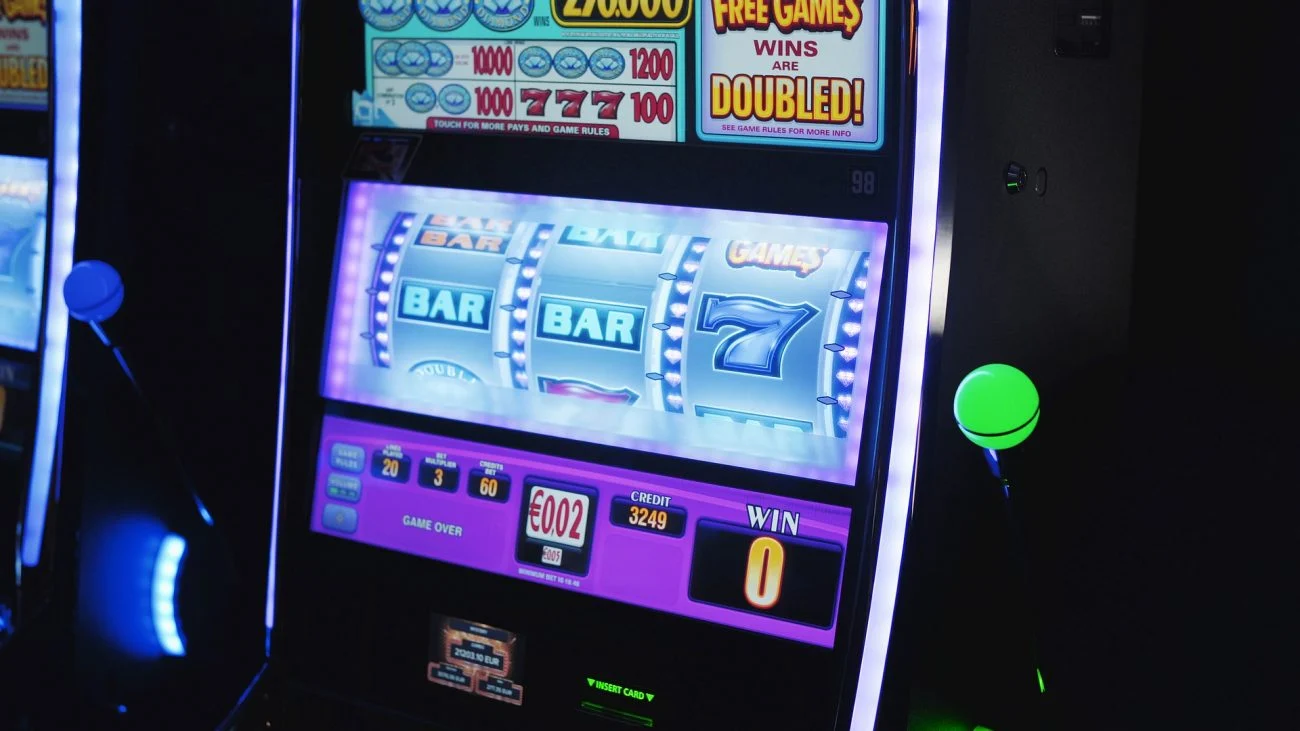
Germany’s gambling authority, responding to industry demands, will lift the €1 staking limit on online slot games starting in July. Licensed online slot operators now have the option to increase their stakes to €3 or €5 per spin, although the €1 cap will remain the standard legal limit.
To qualify for the higher stakes, players must meet certain criteria. Those wishing to bet up to €3 must be at least 21 years old. For the €5 limit, players must demonstrate that they have not exhibited any signs of “problematic” gambling in the last 90 days.
Operators will also have to implement additional monitoring to track player behavior before and after the limit increase. Should any indications of harmful gambling arise, operators are obligated to intervene, which may entail contacting the player, imposing restrictions on their gambling, or even suspending their account.
The Joint Gambling Authority of the Federal States (GGL) stated that these changes are designed to adapt to evolving market conditions while upholding the goals of Germany's State Treaty on Gambling (GlüStV). This includes maintaining high levels of player protection in a regulated environment and preventing gambling addiction.
Operators have expressed that the increase acknowledges the shortcomings of Germany’s online casino regulations in directing players towards the legal market. Entain has hailed the adjustment as a “positive signal” for the licensed sector in Germany.
Simon Priglinger-Simader, Entain's senior regulatory affairs manager for DACH and vice president of the German Online Casino Association (DOCV), noted, "The federal states are demonstrating their willingness to regularly review the practical impact of existing regulations and to make adjustments where necessary to achieve the objectives of the Interstate Treaty on Gambling." He also expressed hope that this decision could lead to more players returning to the regulated market.
Under the Interstate Treaty, the GGL has the authority to alter staking limits according to market changes, but this decision required approval from representatives of the 16 federal states on its administrative board.
Priglinger-Simader believes this measure highlights a growing recognition of the difficulties faced by the regulated industry in competing against illegal markets. He commented, "It’s clear that the states wouldn’t have made this change if they hadn’t seen the issue with channelisation and the limited products we have been offering."
This decision comes just in time for the upcoming review of the Interstate Treaty, which is anticipated to conclude by the end of the year. This will be the first comprehensive assessment since the treaty was implemented in 2021, primarily focusing on whether it has achieved its goals of drawing players into the legal market while curbing problem gambling.
The DOCV argues that overly restrictive regulations, high taxes, and slow approval processes have hindered the legal market's ability to compete with illegal operations. The association notes a dismally low online channelisation rate, reported to be “in the mid-double-digits,” which they assert negatively impacts player protection.
While substantial structural changes are not expected from the review, there are indications that lawmakers are taking their commitment to creating an attractive legal market more earnestly. Luka Andric, managing director of the German Sports Betting Association (DSWV), remarked that the review has sparked serious discussions about the Interstate Treaty.
Andric stated, "What has changed is a growing awareness that the current framework is not fully achieving one of its central objectives: creating a sufficiently attractive legal market. Only a competitive legal market can keep players in a regulated environment and ensure effective protection."
The review is likely to lead to tangible steps like increasing stake limits. Andric asserted, "Rules that have proven ineffective – particularly in terms of channelisation – need to be revised or removed."
However, Priglinger-Simader considers the review might yield a mixed outcome due to the different perspectives of the 16 states. He suggested that while some will always provide negative feedback, others may present more favorable views. For instance, he highlighted the possibility of reviewing online table games, currently banned, in states with more progressive attitudes toward gambling.
Another key topic is the future of deposit limits, which are presently capped at €1,000 per month for most players but can be increased for select customers after rigorous screening. Following two unsuccessful amendment attempts, a third proposal may find a compromise that increases limits while implementing stricter checks on credit and income.
If a “worst-case scenario” emerges, Priglinger-Simader warned that the industry could revert to a blanket €1,000 cap.
As of now, operators are already adapting to the recent regulatory changes, implementing player tracking to ensure safety. The impact of this decision will be clearer once the review is released, with Priglinger-Simader stating, “Similar measures will also be needed in other areas” to enhance channelisation rates in the future.

