
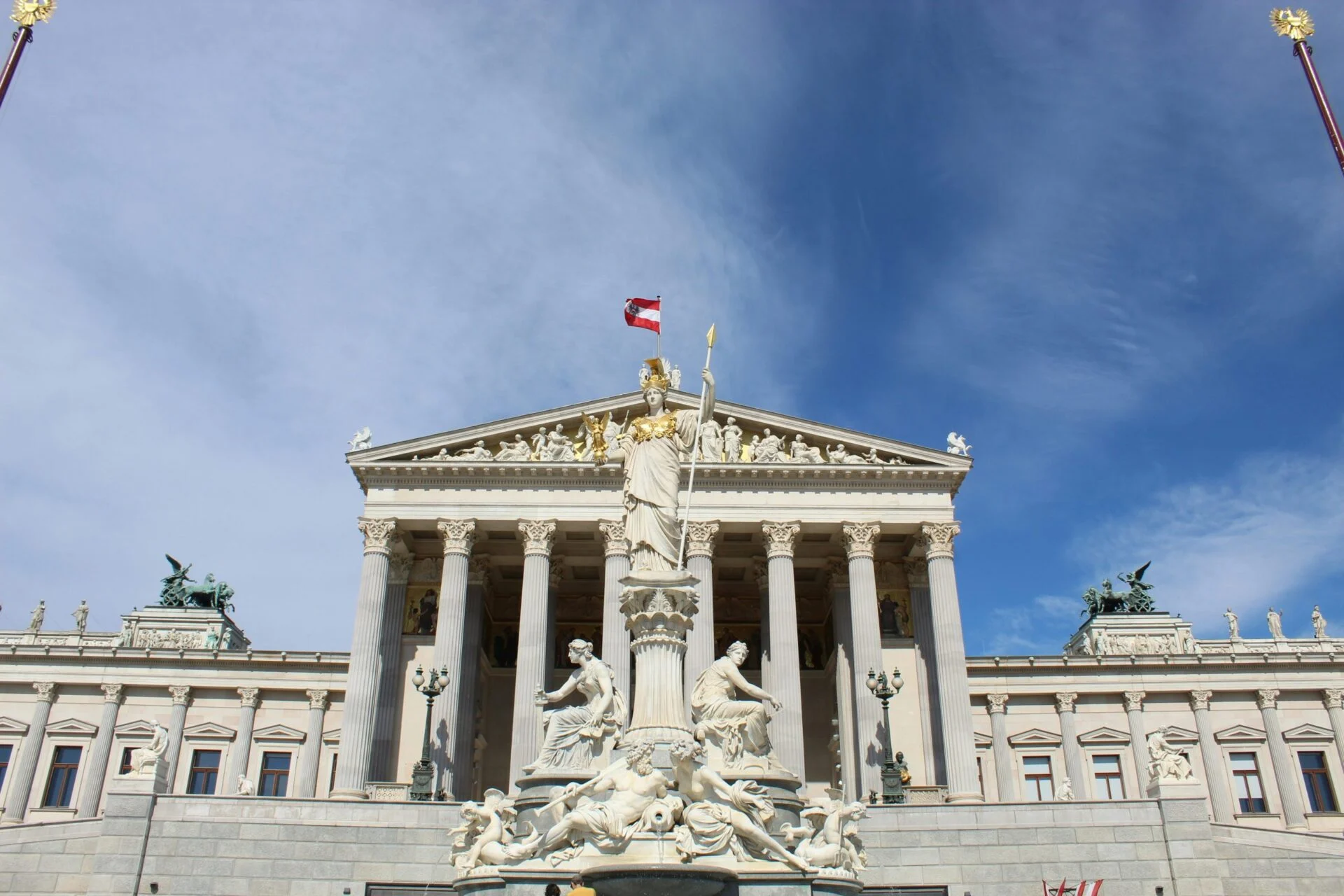
On Tuesday, Austria’s Ministry of Finance officially submitted a significant draft revision of its gambling regulations to the European Commission. This submission marks the beginning of a mandatory three-month standstill period before the new legislation can be enacted.
During this standstill, the Commission will review the proposal, which may include concerns about state aid or compliance with single market regulations. Austria’s parliamentary processes will continue to progress simultaneously.
The proposed changes could represent a major overhaul of Austria’s gambling framework, particularly focusing on stricter controls on online gambling, improved player protection measures, and a revamped system for licensing and oversight.
Key elements of the draft legislation include the introduction of a national exclusion register. This register will enable self-exclusions and operator-imposed bans across various gambling sectors, including casinos, slot machines, and online platforms. Its purpose is to prevent players who are excluded from using different products or operators to evade restrictions.
The draft law also proposes deposit limits specifically for online gambling and slot machines, with stricter limits set for young adults aged 18 to 26. This initiative aims to provide greater protection for vulnerable younger players.
Additionally, the legislation seeks to lower maximum stakes and reduce the speed of slot machine games. Operators will be required to implement a mandatory break after 90 minutes of continuous play to mitigate excessive gambling behavior.
There is also a provision requiring operators to assess the addiction potential of their gaming offerings, which will contribute to broader research and policymaking aimed at reducing gambling-related harm.
To facilitate a more open gambling market, the government plans to establish open licensing for online operators, with transitional arrangements in place. Operators currently operating illegally must halt their services by January 1, 2027, to qualify for immediate licensing. Should they fail to comply, they will face a waiting period of 18 months, which will extend to 24 months starting in 2030. Furthermore, applicants will have to address any outstanding tax liabilities and compensation claims raised by around 20,000 affected players, which aims to rectify previous enforcement lapses.
The Austrian Betting and Gaming Association (OVWG) has expressed doubts that the transitional period will result in increased business for Win2Day or legal land-based operators, suggesting instead that the black market could capitalize on the changes.
The reform also introduces a digital supervisory platform with a central deposit limit that is independent of operators. Enforcement strategies like payment blocking and blacklisting will be used to prevent illegal operators from reaching Austrian customers, thereby guiding players towards the licensed market.
As for the licensing framework, the law proposes a maximum of 13 casino licenses to be issued, potentially in packages. Authorities are encouraged to limit competition among casinos and ensure a fair geographical distribution, which aims to enhance player protection.
Niklas Sattler, a former employee of Casinos Austria, remarked that issuing individual concessions would be a more equitable method for initiating market entry. Currently, Casinos Austria holds a monopoly on casinos and has advocated for maintaining the package system. Instead of two packages of six, Sattler predicts a structure of one package of six and one of seven, which could allow another large operator, like Merkur, to enter but may hinder smaller players.
“We believe it’s quite unfair,” Sattler stated.
Political analyst Felix Geyer expressed skepticism regarding the timeline for awarding licenses, pointing out that Austria's sluggish political processes may delay the timeline significantly. “I’m skeptical about whether they will be able to hand out licenses within 12 months,” Geyer said. "Especially since I don’t expect them to begin before the law actually comes into force."
If the timeline goes smoothly, the market could potentially open in October 2027.

