
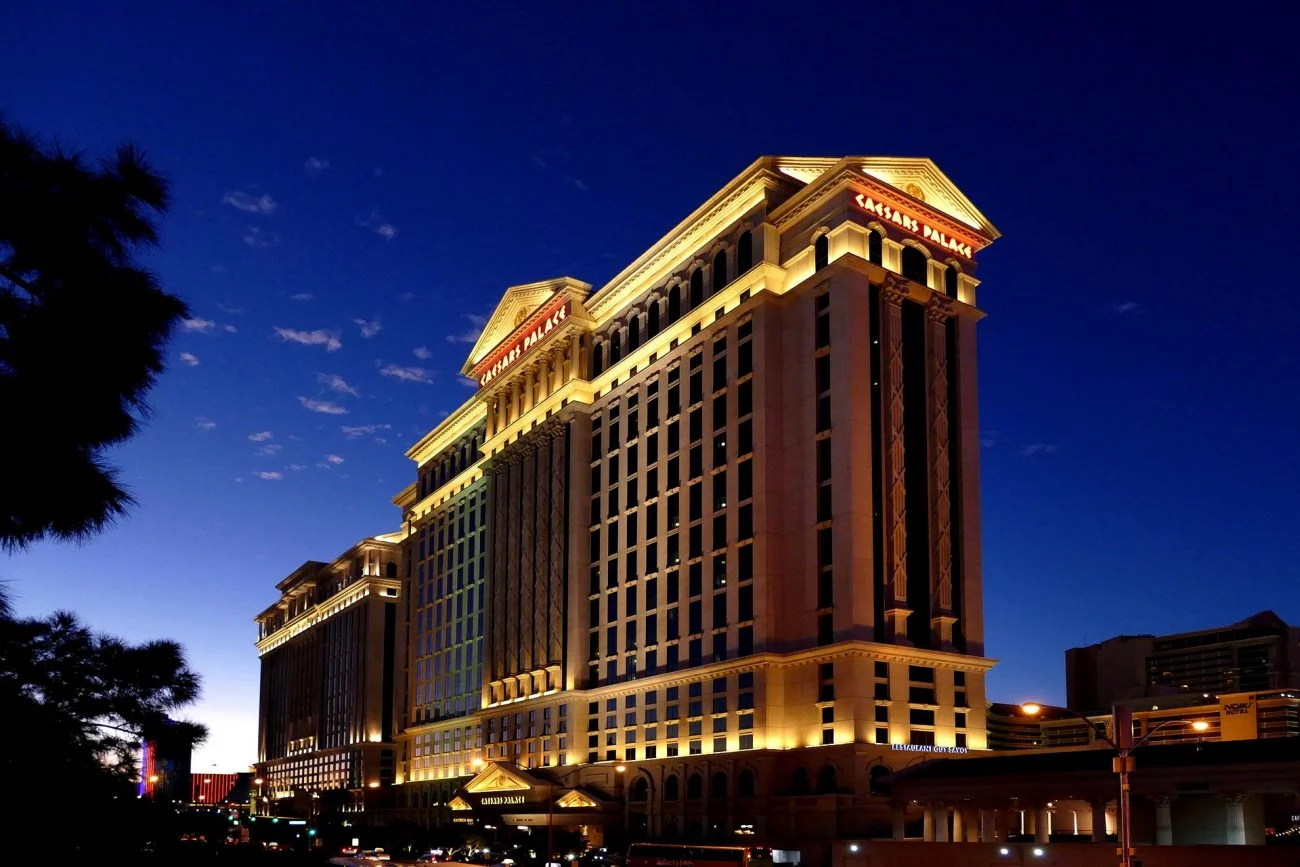
In late May, Caesars Entertainment announced its acquisition by Fertitta Entertainment in a transaction valued at $17.6 billion, including assumed debt. This marked the most significant shift in the U.S. casino landscape in recent years, reminiscent of the company's prior acquisition by Eldorado Resorts in 2020.
Prior to the deal's finalization, rumors regarding Fertitta’s potential acquisition had circulated for months. Soon after the announcement, it became clear that Carl Icahn, the billionaire activist investor who had facilitated Caesars' acquisition by Eldorado before exiting, was vying for a competing bid.
Recent information revealed in a preliminary proxy filing submitted by Caesars on Tuesday indicated that the negotiations extended back to 2025, involving multiple rounds of competing offers involving three stakeholders, and even an enigmatic fourth party. It emerged that Icahn was the first to approach Caesars about a deal, contrary to earlier assumptions that Fertitta initiated discussions.
The finalized terms of Fertitta's acquisition included:
– A purchase price of $31 per share.
– A daily accruing “ticking fee” if the deal is not finalized by June 26, 2027.
– A financing package totaling $6.6 billion, which comprises a revolving credit facility and secured loans.
– A termination fee of $200 million for Caesars and a $450 million reverse termination fee for Fertitta.
– An agreement for the Carano family to roll over a significant stake in the new entity.
Caesars' board has endorsed the transaction, and a special meeting is scheduled to secure a shareholder vote.
Icahn's involvement began long before Fertitta’s. In 2019, Icahn acquired a substantial stake in Caesars and played a key role in its $17.3 billion acquisition by Eldorado Resorts, which has since retained the company’s leadership team, including the Carano family, CEO Tom Reeg, CFO Bret Yunker, and CLO Ed Quatmann.
After selling his share post-Eldorado deal, Icahn began to rebuild his stake in Caesars in May 2024, prompting renewed discussions. By March 2025, he reached an agreement not to make a takeover bid nor exceed 5% ownership of Caesars' stock, securing two board appointments. On March 17, 2025, Caesars welcomed Jesse Lynn and Ted Papapostolou to its board.
Negotiations continued throughout 2025, with Icahn expressing a desire for greater involvement in company discussions, an invitation welcomed by CEO Reeg. By December 2025, when Icahn signaled his interest in pursuing a deal, he faced limitations due to the board agreement. A limited waiver allowing for negotiations was granted on December 3, 2025, but before Icahn could act, Fertitta entered the picture.
On December 19, 2025, Fertitta notified Caesars of its awareness of Icahn’s interest, indicating its plans for an offer, prompting Caesars to secure non-disclosure agreements with both parties.
Icahn made his initial formal bid on January 2, 2026, proposing $28.50 per share, supported by $1 billion in cash, $1 billion in new equity, and $3 billion in third-party debt financing. However, Caesars’ reluctance stemmed from the high leverage and constrained cash flow envisioned under Icahn's proposal, which did not entice the Carano family to rollover its holdings.
Just a week later, Fertitta followed with an offer of $28.75 per share, backed by a financing letter from Morgan Stanley. On January 21, Reeg presented a financial plan that surprisingly rejected both proposals.
Later, on January 29, both bidders resubmitted offers; Icahn retained his price while revising financing components, while Fertitta increased its bid to $30.50 per share. As discussions continued, Reeg extended Icahn’s waiver and pressed both parties to improve their offers.
Icahn countered with an elevated offer of $32 per share on February 5, followed shortly after by a $31.50 proposal from Fertitta. However, Fertitta eventually matched Icahn’s $32 price within 24 hours, after which, on February 17, Caesars learned of Icahn's formal withdrawal from the bidding process.
With Icahn out, the focus shifted to Fertitta. Fertitta's offer of $31 per share provided a 49% premium over Caesars' closing price on February 25, with media coverage of the potential deal breaking the following day.
However, the situation took another turn. On February 28, the last day of Icahn’s extended board agreement waiver, he made a renewed attempt with a $33-per-share offer, incorporating an enhanced cash contribution. Complicating matters, the same date marked the beginning of the ongoing U.S. conflict with Iran, which indirectly influenced Fertitta's subsequent strategy.
While Caesars prioritized discussions with Fertitta, the latter announced plans to reduce its offer by $1 per share, citing increasing macroeconomic uncertainties. Shortly thereafter, an anonymous fourth party surfaced, dubbed “Party B”, claiming readiness to submit an offer of $36 or $37 per share, but investigations revealed this to be a hoax.
With negotiations continuing, Fertitta reduced its offer to $31 per share by April 28, citing financing costs and broader economic risks. By this point, both Icahn and the Carano family had expressed support for the transaction, despite it causing an added $40 million in annual costs. Despite Caesars’ attempts to increase Fertitta’s standing offer, resistance remained.
On May 27, agreement was finally achieved, setting the stage for Caesars to officially change hands. The announcement came shortly before the market opened on May 28, although the fervor of the bidding process experienced a revival with the start of a 45-day “go-shop” period allowing Caesars to seek alternative offers until July 11.
During this period, Caesars reached out to 20 potential bidders, including Icahn. Despite the competitive environment, no rival proposals materialized. A meeting between Icahn and Caesars followed, but challenges regarding Icahn's offer terms arose due to high debt leverage, diminishing the likelihood of a Carano family equity rollover.
On July 10, Icahn re-entered the bidding with an offer of $34 per share, which turned out to be the highest bid throughout the entire process. However, as deadlines loomed, discussions with Fertitta persisted.
The board eventually extended talks to July 25, but no significant headway was made. By that time, Fertitta reaffirmed its refusal to elevate its bid. In the end, after nearly nine months of back-and-forth negotiations, Fertitta emerged victorious as the final agreement lay in place.
The acquisition marked a pivotal shift in the U.S. gaming industry with notable implications for all parties involved.

