
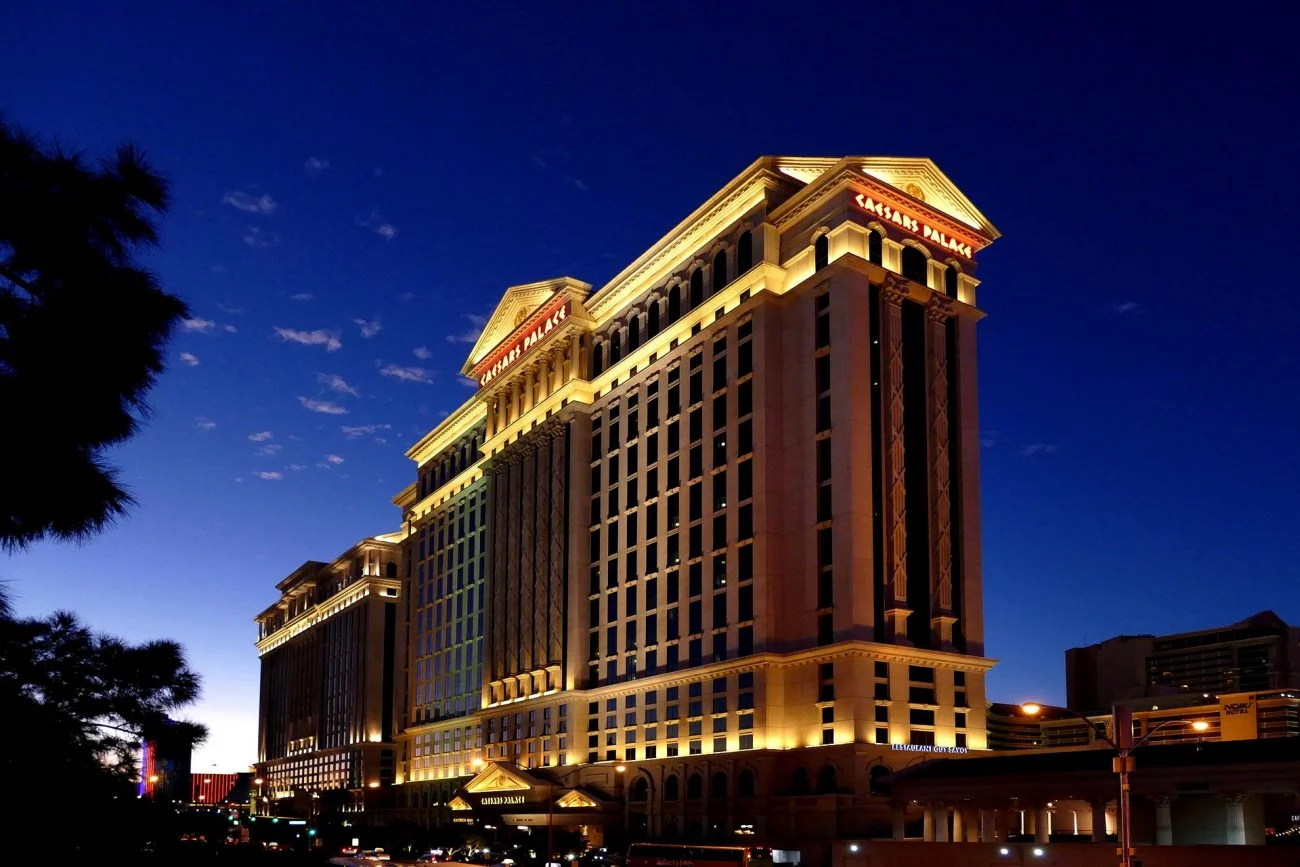
In late May, it was announced that Caesars Entertainment was set to be acquired by Fertitta Entertainment in a significant deal valued at $17.6 billion, including assumed debt. This marks a major development in the U.S. casino sector, possibly rivaling the company's previous acquisition by Eldorado Resorts in 2020.
Prior to the announcement, rumors regarding Fertitta’s interest had circulated for months. However, a new narrative emerged shortly after, highlighting Carl Icahn—the billionaire investor who facilitated Caesars' sale to Eldorado before exiting—as a rival bidder.
Details surrounding the Fertitta acquisition and Icahn's competing interest, initially vague, became clearer with a proxy filing from Caesars that provided insight into the lengthy bidding process stretching back to 2025, involving multiple offers and dialogues among several parties, including a mysterious fourth entity. In fact, Icahn was the initial party to approach Caesars with a potential deal.
Fertitta’s acquisition included several key terms:
– A purchase price set at $31 per share
– A daily accrual “ticking fee” if the deal isn’t finalized by June 26, 2027
– A $6.6 billion financing package featuring a revolving credit facility and secured loans
– A termination fee of $200 million for Caesars, alongside a $450 million reverse termination fee for Fertitta
– An agreement permitting significant equity rollover from the Carano family into the new organization
The board of Caesars has backed the transaction and plans a special meeting to facilitate a shareholder vote.
The saga began with Icahn, who in 2019 acquired a notable stake in Caesars and led its $17.3 billion acquisition by Eldorado. After the deal, Icahn divested his shares but returned to build another significant stake in May 2024, sparking renewed discussions. By March 2025, Icahn agreed to refrain from pursuing a takeover offer and limiting his ownership to 5% in exchange for board representation. Notably, Jesse Lynn and Ted Papapostolou, from Icahn Enterprises, were appointed to Caesars’ board on March 17, 2025.
Talks continued throughout 2025, with Icahn expressing interest in increased involvement. By December, he signaled his intent to pursue another transaction, which prompted the board to adjust their agreement to allow for negotiations.
On December 3, 2025, a limited waiver permitted formal talks. However, before Icahn could present an offer, Fertitta indicated on December 19 that it was aware of Icahn's interests and was preparing its own bid. This led to both sides signing non-disclosure agreements as they entered into competitive negotiations.
Icahn’s formal proposal arrived on January 2, 2026, offering $28.50 per share, structured through a mix of cash, equity, and third-party debt. The equity aspect of this proposal raised concerns for the Carano family, resulting in a rejection of this bid. Shortly afterward, on January 9, Fertitta offered $28.75 per share, supported by a financing letter from Morgan Stanley. Both proposals were again turned down after review by Caesars’ board.
On January 29, revised offers were made: Icahn maintained his $28.50 share price while Fertitta increased its offer to $30.50 per share. While the discussions continued, Icahn escalated his bid to $32 per share on February 5, leading to a matching offer from Fertitta the following day. Shortly thereafter, on February 17, Icahn withdrew from the bidding.
Fertitta then became the sole bidder, and its final offer of $31 per share represented a 49% premium on Caesars’ closing stock price from February 25. The news of Fertitta's interest was first made public a day later.
However, on February 28, just as Icahn's board agreement waiver was expiring, he made a new offer of $33 per share, but the Caesars board remained focused on Fertitta. Fertitta subsequently notified Caesars on March 16 of its intention to reduce its bid to $31 due to rising financial risks stemming from the geopolitical situation in the Middle East.
In early April, a previously unknown entity referred to as "Party B" approached Caesars, claiming to be prepared to make a competitive offer of between $36 and $37 per share. However, after attempts to verify its legitimacy, Caesars found no credible evidence of this party.
As negotiations with Fertitta continued, on April 28, the company officially lowered its bid to $31 per share, attributing the move to macroeconomic concerns. Over the following weeks, Caesars pressed for a better offer but was unable to extract more than $31. The deal was concluded on May 27, with announcements made before the market opened on May 28.
This acquisition initiated a 45-day "go-shop" period, allowing Caesars to seek superior offers until July 11. The company reached out to 20 potential interested bidders, including Icahn, but no new offers emerged.
Icahn re-engaged shortly before the expiration of the go-shop period, submitting a bid of $34 per share. This bid hinged on the Carano family's equity involvement, but the complexities of financing proved challenging. After several negotiations and no significant advancement on Icahn's part by August 10, Fertitta prevailed in this protracted bidding war, concluding around nine months after it began.

