
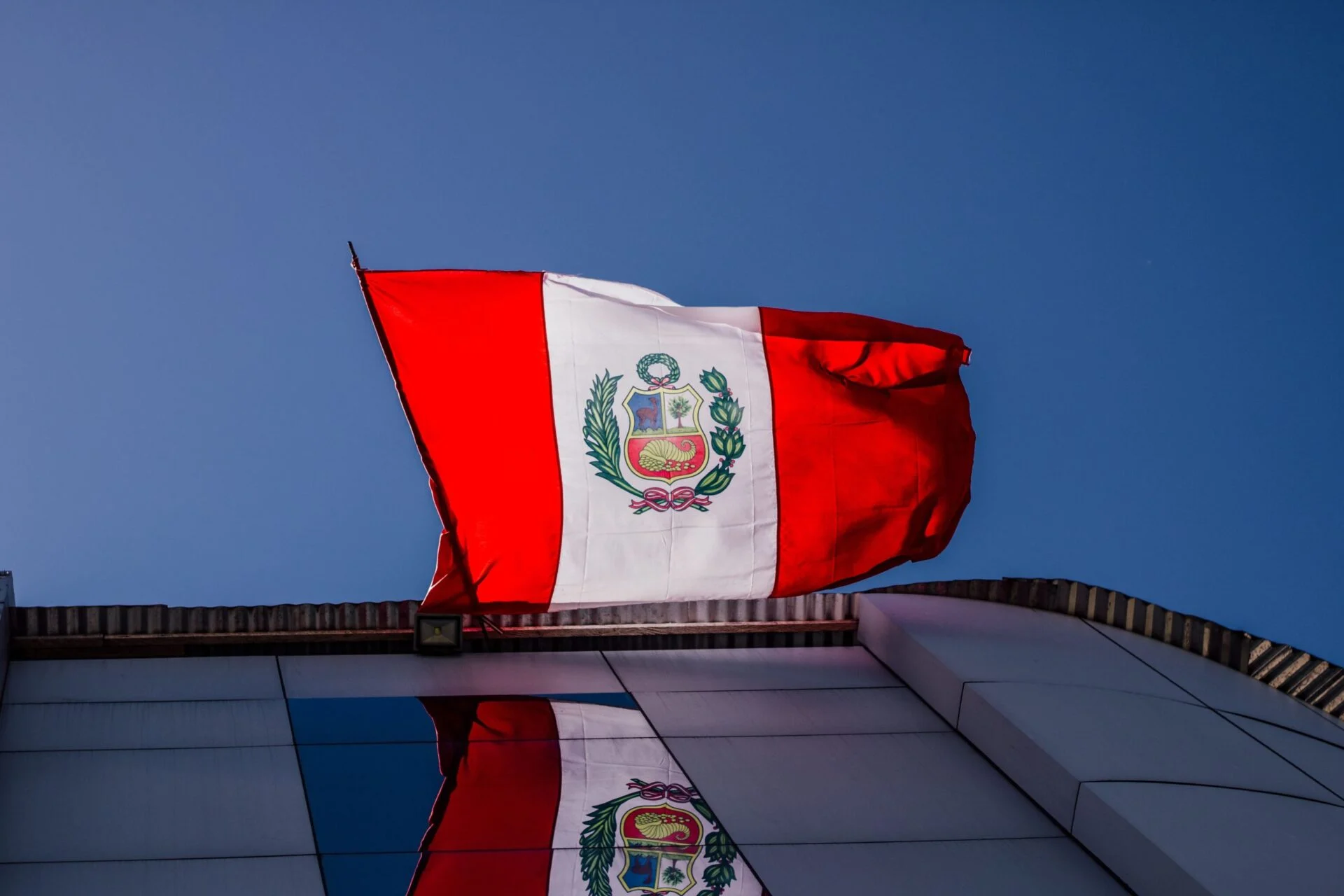
Peru’s regulated gaming market launched in February 2024 and has quickly attracted numerous international operators, fostering a competitive environment that includes established local names like Apuesta Total, the market leader.
Jennyfer Escobar, country manager for Stake in Peru, emphasizes that the nation has become one of the most competitive markets in Latin America. "In the early stages, competition was largely driven by marketing investment, including advertising and sponsorships,” Escobar says. “Today, product quality, platform performance, and overall user experience are increasingly vital differentiators. Players are better informed and have higher expectations, and they will switch brands if those expectations aren’t met."
Stake entered the Peruvian market in 2024, while Betsson has been operational since 2008, contributing to market dynamics both before and after regulation. Andrea Rossi, the commercial director for Betsson in Southern Europe and Latin America, describes the market as "quite polarized," with a few dominant players, including Betsson, and many others striving to catch up. "Competition has already evolved," he notes, observing fierce rivalry in the sector. “We have been there for a long time, and we have our positioning quite cemented. However, we must continually improve and embrace Peruvian culture with a localized approach."
The competition between local and international brands reflects a trend seen in various markets across Latin America. Local Peruvian companies benefit from cultural knowledge, but international operators often leverage larger scale in technology and capital.
Ramiro Atucha, founder and CEO of Atucha Strategic Advisory, believes the success of international operators in Peru hinges on their commitment to localization. "When we talk about localization, we’re not just talking about language or creating games about Machu Picchu,” he explains. "We need to understand the history of the players, their preferences, and what they are accustomed to."
Atucha recounts early misconceptions in Colombia, where operators misjudged player preferences for slot games. “If someone takes the time to truly understand players’ past experiences, it makes a significant difference in bridging the gap,” he adds.
Local operators are not idle; they are working to enhance their technology by collaborating with world-class suppliers. Still, Atucha highlights challenges when platforms only partner with top-tier operators, ignoring smaller companies that could grow rapidly. He points to EstrelaBet as a prime example of a company that expanded significantly despite being overlooked by larger platforms initially.
Betsson's long-standing presence in Peru offers it unique insights. The company takes pride in its comprehensive blend of local experience and global reach. "We have seen it all," Rossi states. He attributes Betsson’s success to a combination of strategic investments, product development, and a keen understanding of local demands. In the second quarter, Peru became Betsson's largest revenue-generating region, contributing €310.2 million, or 36% of its total revenue.
Escobar explains that Stake is similarly focused on combining global scale with in-depth local knowledge. Holding licenses in Peru and several other Latin American countries, Stake emphasizes a tailored approach. "While we have world-class technology and a leading product, success also relies on understanding Peruvian players,” she says. “We have invested in local partnerships, engaged with creators, and supported football to align our marketing and customer experiences with local preferences."
The foundation of Peru’s gaming market rests on a regulatory framework widely regarded as one of the most comprehensive in Latin America. Rossi describes the rollout of regulations as "super positive," underscoring the commitment of regulators to maintain a safe and transparent market. Escobar concurs, noting that despite being relatively new, the regulations have facilitated player engagement and digital adoption, achieving their primary objective of ensuring safety and transparency across licensed operators.
However, the market faces threats to stability stemming from a 1% selective consumption tax (ISC) imposed on every online bet, effective from July 1, 2025. Atucha cautions that such regulations could begin as friendly to operators but trend towards increased taxation as governments look to extract more revenue. He recalls similar tax hikes in Brazil, Colombia, and Mexico, expressing concerns that inflated taxes might drive players back to unregulated markets.
Rossi argues that the ISC reflects a lack of understanding about the gaming industry’s dynamics and cautions against potential adverse effects on consumer channelization to regulated offerings. "While Peru has successfully directed players to legal channels, if taxes rise, that channelization could falter, especially given that the black market remains untaxed," he warns.
To highlight the risks of excessive taxation, Atucha refers to the experiences of the UK and Germany, where controversial regulations led to significant market disruptions. He stresses that the increasing sophistication of offshore operators complicates the landscape, as these companies are often well-established brands in other markets.
As competition intensifies, operators face the dual challenge of sustaining growth while adapting to a more discerning market. Escobar anticipates that the competitive environment will become more quality-driven. "Peru is not yet mature, but it is transitioning into a new phase of development," she remarks. Operators will need to innovate continuously across technology, product, responsible gaming, and customer experience to remain competitive.
In contrast, Rossi perceives Peru as a mature betting market, noting its historical roots in the region. With mobile penetration rising and a digitally savvy consumer base eager for online entertainment, he identifies further growth potential. “As new entrants come along, we have a responsibility to educate players about responsible online gaming,” he concludes.
Understanding and engaging this new generation could be crucial for the future direction of the gaming market in Peru.

