
MGM Resorts' recent third-quarter results and the subsequent conference call revealed a decisive end to takeover discussions with its major shareholder, Barry Diller's People Inc. Neither company is now considering an acquisition of one another.
People had initially proposed a substantial offer on June 1, aiming to purchase the remaining 74% of MGM's shares at $48.30 each. However, after ongoing deliberations, People withdrew its offer on September 23, leading to speculation that MGM might instead pursue a buyout of People. This speculation has since been quashed, as MGM CEO Bill Hornbuckle clarified to analysts, "We’re going to refocus on our business. The dialogue back and forth between us and People on you-buy-us, we-buy-you… we’re done, and that’s our position and that’s People’s position."
Prior to the earnings call, MGM announced a revised voting agreement with People, wherein the latter agreed to limit its ownership stake in MGM to 29.9% and to align its voting decisions with the board’s recommendations concerning any change of control transactions. In return, MGM has committed not to take any adverse measures against People or Diller.
In its third quarter, MGM reported group revenue of $4.2 billion, representing a 1% decline compared to last year, while the group’s adjusted EBITDA fell 20% year-on-year to $403 million. The operator reduced its net loss significantly from $285 million in the previous year to $17 million this quarter, with losses per share declining from $1.05 to $0.07.
Despite the management decision to refocus, MGM's stock witnessed a 2.5% drop on Wednesday, closing at $27.27. Following takeover talks that drove shares above $50 in June, the stock has since dropped 25% over the year and 42% compared to the past five years.
Analysts concentrated their inquiries on MGM’s Las Vegas operations, which account for a significant portion of its revenue. The company reported a 2% decline in Las Vegas revenue, totaling $2 billion, with adjusted EBITDAR down 12% to $531 million. Notably, the downturn was primarily due to subdued non-gaming performances, as both the average daily rates and revenue per available room (revPAR) fell by 8%, despite an increase in casino revenue driven by a 17% rise in table games winnings, amounting to $363 million.
Hornbuckle emphasized that, historically, the market remains resilient, noting MGM's Las Vegas EBITDAR over the past year is 70% higher than in 2019, but acknowledged analysts’ concerns regarding consecutive declines in revPAR, which has now seen eight quarters of decreases.
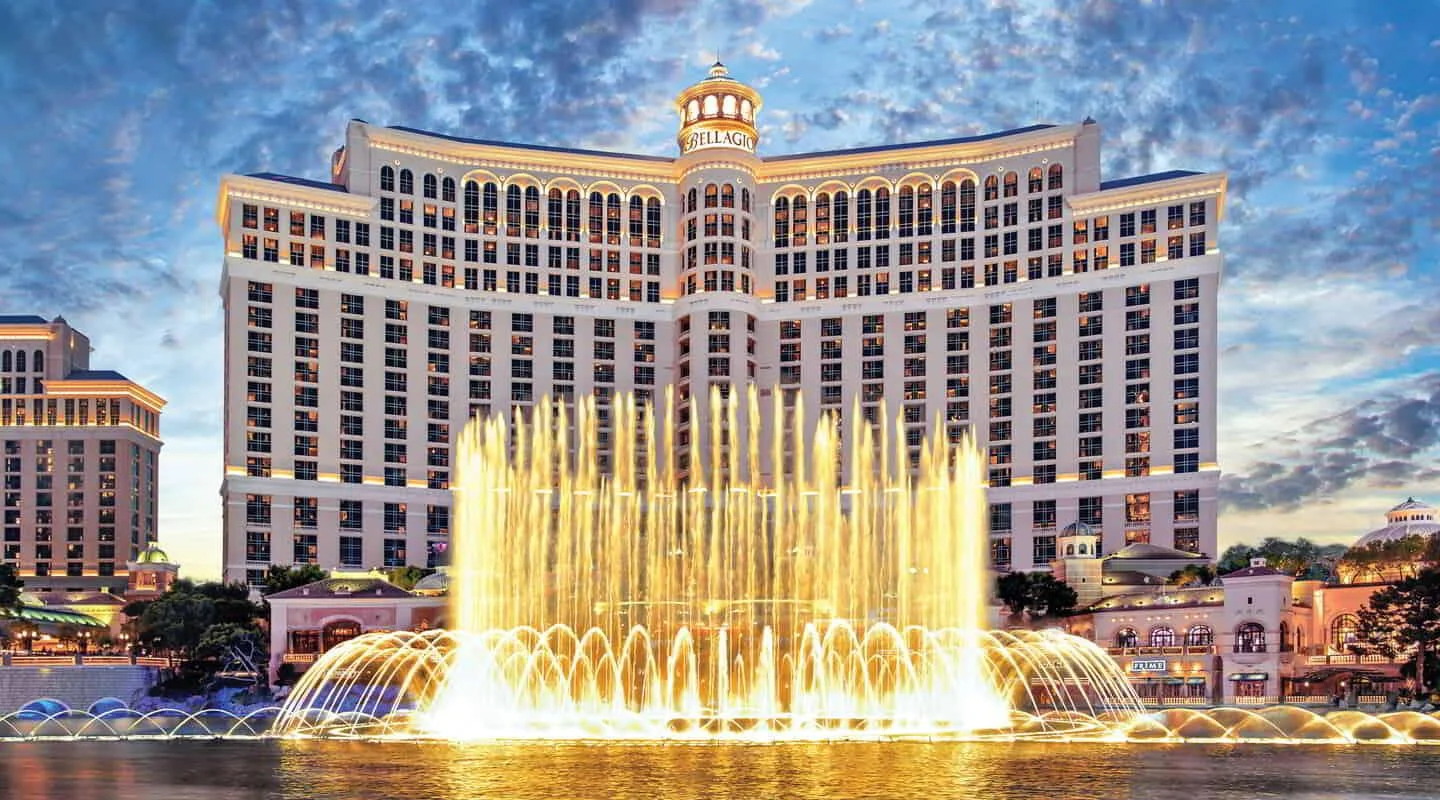
"Undoubtedly, Las Vegas has been hurt more than most travel markets," Hornbuckle stated, referencing the impact of international travel restrictions and expressing a need to work through existing challenges gradually. The company is focusing on its premier properties, including Bellagio and Cosmopolitan, while lower-end gaming segments continue to struggle due to broader economic conditions.
He expressed optimism for the fourth quarter, hoping for relief in fuel and airline costs.
Revenue from regional operations reached $883 million, down 8% year-on-year, with adjusted EBITDAR falling 18% to $243 million. The decreased performance was attributed to an overall decline in gaming revenue, particularly an 11% drop in slot winnings. COO Ayesha Molino described the casino's performance in Q3 as "materially" underwhelming but reassured that efforts remain in place to increase operational efficiency.
MGM’s regional segment stands to benefit from the upcoming 6,000-seat Sphere entertainment venue set for construction in Maryland adjacent to the National Harbor casino. The Prince George’s County Council has recently approved up to $215 million in public financing for the venue, set to cost $1.4 billion and expected to open in 2030.
On the financial front, MGM concluded the quarter with $2.3 billion in cash against a long-term debt of $5.6 billion. CFO Jonathan Halkyard noted that the company retains over $1 billion in stock buy-back authority but has refrained from repurchasing shares during the acquisition discussions.
MGM China reported a record quarterly revenue of $1.1 billion, reflecting a 5% increase compared to last year. While the operator's market share reached a new high of 17%, adjusted EBITDAR fell by 7% to $264 million. CEO Kenneth Feng attributed fluctuations in margins to various factors, including event calendars and the level of high-end play, but emphasized a commitment to operational efficiency.
In other developments, MGM Osaka continues to progress as the only casino license holder in Japan, with plans for a 2030 opening. Hornbuckle reported that the project is 11% completed, remaining on schedule and within budget, labeling it as the "greatest integrated resort opportunity anywhere on the globe." In comparing MGM Osaka to regional competitors, MGM disclosed that it anticipates Osaka will attract more visitors than Singapore’s Marina Bay Sands by 2025, with projected gaming machines at the Osaka facility exceeding the combined total of Marina Bay Sands and MGM's Macau properties.