
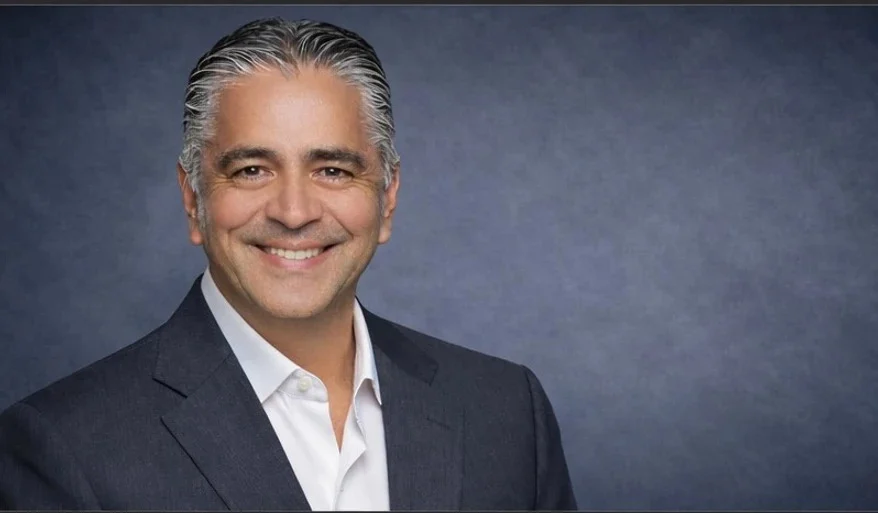
Alex W. Pariente emphasizes the importance of regulatory stability for Brazil to regain the trust of investors in the iGaming industry. With the expiration of licenses and ongoing disputes tied to Provisional Measure 1,394, Pariente organizes his analysis around seven critical questions regarding the country’s approach to regulation.
In his exclusive piece for iGaming Business, he argues that the predictability of legal frameworks and enforcement capabilities surpasses concerns over advertising practices or changing tax rates. Pariente asserts that Brazil possesses the foundational legal and professional structures necessary to revitalize the sector. The key challenge, he argues, lies in maintaining these structures while providing sustainable solutions that can turn adversity into a new opportunity for investment.
**Seven Questions Brazil Needs to Address**
Brazil has lacked an authorized betting market since October 25. The 85 licenses granted under Law 14.790, worth a total of BRL2.55 billion ($476.2 million), expired without any reimbursement. Provisional Measure 1.394 is still in effect, yet Congress has yet to form a joint committee to examine it. On November 3, Minister Luiz Fux from the Supreme Federal Court (STF) will hold a public hearing to hear from the government, associations, and clubs before making a determination regarding suspension requests.
As evaluations of Brazil's investment environment continue, Pariente offers insight based on his extensive experience with investment committees, focusing on seven pivotal questions:
1. **Will liabilities from Provisional Measure 1,394 be resolved?** No major operator will enter a market embroiled in disputes over the BRL2.55 billion previously invested by existing players. Any future gaming model, including iGaming and land-based options, must first tackle these licensing issues and the related 19 ongoing lawsuits.
2. **Will the regulations come from the law?** Legal changes instituted through parliamentary law—with transitional measures and compensation mechanisms—are more significant than those established by decree. For example, Spain's Supreme Court overturned advertising restrictions imposed by a decree in 2024, asserting that such rules require legislative approval.
3. **Will Brazil establish a regulator that can operate independently of the government?** Just as the United Arab Emirates set up its federal regulator in 2023 prior to issuing its first license in 2024, Brazil has established a Secretariat for Prizes and Bets along with data and payment control systems in less than two years. The focus now is to empower this body with a solid technical mandate and stability.
4. **Is the concession model aligned with the investment timeline?** For instance, Macau renewed its concessions in 2022 for a decade, with investment commitments subject to government review, while Italy has begun granting online licenses for up to nine years. Integrated resort developments in Singapore, Japan, and the UAE typically see a three to seven-year gap from decision to opening, which necessitates clear rules regarding renewal periods from the start.
5. **Will the tax environment remain stable?** In Colombia, a 19% VAT introduced via emergency decree for online gambling was overturned by the Constitutional Court in 2026, resulting in the return of those funds. Investors generally prefer consistent tax rates rather than a low tax that could be destabilized by changes.
6. **Can capital enter and exit safely?** Since the end of 2022, Brazil has employed a modern exchange rate system. Investors are keen to determine if this regime will apply universally to the iGaming sector, especially for dividend remittances.
7. **Who will fulfill the growing demand?** According to projections from H2 Gambling Capital, the unlicensed market may expand from approximately BRL17 billion to BRL42 billion. After banning online gambling operators targeting foreign markets in 2024, the Philippines implemented a specific law in 2025, which included penalties of up to 12 years in prison for breaches. Any Brazilian regulatory framework must outline how it plans to manage this demand and the costs associated with regulation.
**What is the current significance?**
These seven questions are pertinent to any regulatory model, whether it leans towards openness or restriction, and they all hinge on the stability of the regulations in place. Brazil has started to identify some answers: a 2023 law, the establishment of a regulator alongside operational data systems, a new exchange rate policy, and a generation of professionals skilled in compliance, responsible gaming, and payment methods, many of whom seek opportunities both domestically and internationally.
Pariente Advisory remains neutral regarding Brazil's chosen direction for gaming regulation. The electoral phase has concluded, and decisions now lie within the institutions. For those observing from outside Brazil, the responses to these seven questions will weigh heavily against mere announcements, shaping the potential for what could emerge as a considerable market by 2026.

