
MGM Resorts made it clear during its third-quarter conference call that discussions about a potential acquisition involving its largest shareholder, Barry Diller's People Inc., have come to an end. Neither MGM nor People is pursuing the idea of one company acquiring the other.
On June 1, People made an ambitious proposal to acquire the 74% of MGM shares it did not already own at a price of $48.30 per share. After several months of consideration, People withdrew the offer on September 23. This led to speculation that MGM itself might be interested in acquiring People, but that is no longer an option, according to MGM CEO Bill Hornbuckle.
"We’re going to refocus on our business, the dialogue back and forth between us and People on you-buy-us, we-buy-you… we’re done, and that’s our position and that’s People’s position,” Hornbuckle stated.
Before the call, MGM announced an amended voting agreement with People, in which People committed to maintaining a stake not exceeding 29.9% in MGM and agreed to vote its shares in line with the Board’s recommendations regarding any change of control transactions. In return, MGM promised not to undertake any defensive actions that would negatively affect People or Diller.
MGM's financials for the third quarter showed group revenue of $4.2 billion, marking a 1% decrease compared to the same period last year. Adjusted EBITDA fell by 20% year-over-year to $403 million. The company managed to cut its net losses significantly, from $285 million last year to just $17 million this quarter, with losses per share decreasing from $1.05 to $0.07.
In trading on the day of the call, MGM's stock slid by 2.5%, closing at $27.27. The stock has seen a remarkable drop from over $50 in June, down 25% for the year and 42% over the last five years.
Analysts focused heavily on MGM’s performance in Las Vegas, where revenue dipped 2% to $2 billion, and adjusted EBITDAR fell by 12% to $531 million. These declines were attributed primarily to weaker non-gaming performance; both average daily rates and revenue per available room (revPAR) decreased by 8%. However, casino revenue saw a boost, notably a 17% increase in table games win, amounting to $363 million.
Hornbuckle remarked that, despite the current challenges, Las Vegas still shows strong performance in a historical context. MGM’s Las Vegas EBITDAR over the last 12 months is 70% higher than the total for the entire year of 2019. Yet, analysts expressed skepticism, noting that revPAR has dropped for eight consecutive quarters.
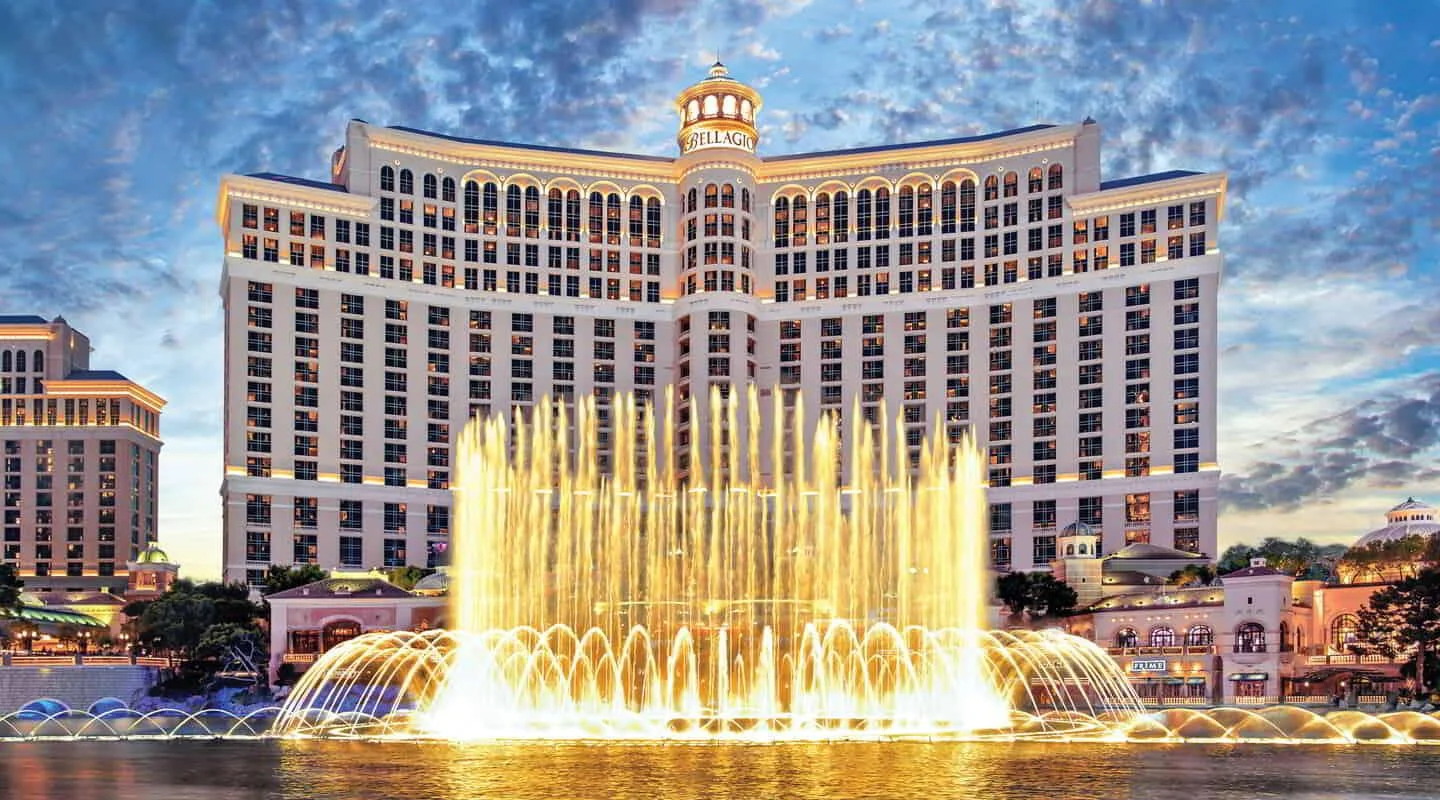
"Undoubtedly, Las Vegas has been hurt more than most (travel markets)," Hornbuckle admitted, while also acknowledging ongoing issues with travel from Canada and international markets. He highlighted MGM's emphasis on its high-end properties, such as Bellagio and Cosmopolitan, in its third-quarter investor presentation. In contrast, lower-end segments have struggled under prevailing macroeconomic pressures.
Looking ahead, Hornbuckle anticipates needing relief from rising costs for fuel and airfare, but expressed optimism for a stronger fourth quarter compared to the summer.
MGM's regional revenue reached $883 million, down 8% year-over-year, while segment adjusted EBITDAR fell by 18% to $243 million, largely due to a 10% reduction in overall casino revenue, stemming from an 11% decline in slot win.
COO Ayesha Molino acknowledged that the casino performance was "materially" lower in Q3 but ensured analysts that the regional properties are focused on efficient operations.
Exciting developments for MGM's regional segment include plans for a new 6,000-seat Sphere entertainment venue in Maryland, adjacent to the National Harbor casino. The Prince George’s County Council recently approved up to $215 million in public financing for this venue, which is expected to cost $1.4 billion and open in 2030.
On the balance sheet side, MGM ended the quarter with $2.3 billion in cash against long-term debt totaling $5.6 billion. CFO Jonathan Halkyard noted that the company has more than $1 billion remaining on its stock buyback authorization but did not buy back any shares in Q3 while acquisition discussions were ongoing.
In Asia, MGM China achieved a record quarterly revenue of $1.1 billion, reflecting a 5% increase year-over-year, although segment adjusted EBITDAR dropped by 7% to $264 million.
Kenneth Feng, CEO of MGM China, explained that factors like event schedules and high-end play have influenced their profit margins, but the company continues to prioritize operational efficiency. Meanwhile, plans for MGM Osaka, the sole casino license holder in Japan, are proceeding on schedule, with the project currently about 11% complete and expected to open in 2030. Hornbuckle referred to this as the "greatest integrated resort opportunity anywhere on the globe."
In the presentation, MGM compared the Osaka project favorably to others in the region, noting that Osaka outperformed Marina Bay Sands in visitor numbers in 2025, and its planned installation of 6,400 gaming machines exceeds the combined total of MGM’s two properties in Macau.