
In the second quarter, the gaming landscape in Macau faced a dip in visitation and gaming activity, impacted briefly by the Fifa World Cup. The region's three major operators – Las Vegas Sands, MGM China, and Wynn Resorts – reported this slowdown during their earnings calls in July and August. However, they noted a bounce back beginning in July, with a positive trend extending into August.
Operators revealed that investments in luxury accommodations, premium gaming, hospitality, and entertainment have become pivotal in driving growth. These initiatives not only attract new customers but also encourage longer stays, VIP gaming volumes, and increased player retention.
Even with this setback, Macau's long-term prospects seem promising, as is the strategy to enhance its high-value customer base.
In contrast to Macau's challenges, Singapore's Marina Bay Sands delivered impressive earnings this quarter, maintaining its resilience against a backdrop of softer regional visitation. Las Vegas Sands remains optimistic about its Singapore operations, which reported an EBITDA of $689 million, surpassing expectations by $37 million. Mass gaming revenue also saw a year-on-year increase of 5% compared to the second quarter of 2025, a noteworthy achievement considering the dip in tourism due to the World Cup.
During a July conference call, Las Vegas Sands CEO Patrick Dumont attributed the strong performance to significant investments in product enhancements and service upgrades, reinforcing the property's operational strength amid reduced travel.
Conversely, Macau’s performance fell short of expectations, reporting an EBITDA of $430 million, which could have been higher by $87 million had it not experienced low VIP rolling hold at 1.35%. Still, several underlying metrics were positive: rolling table volumes surged by 73% year-on-year, non-rolling table volumes increased by 15%, and slot handles rose by 30%, with mass GGR growing by 8%. Dumont expressed optimism regarding positive trends across all gaming segments.
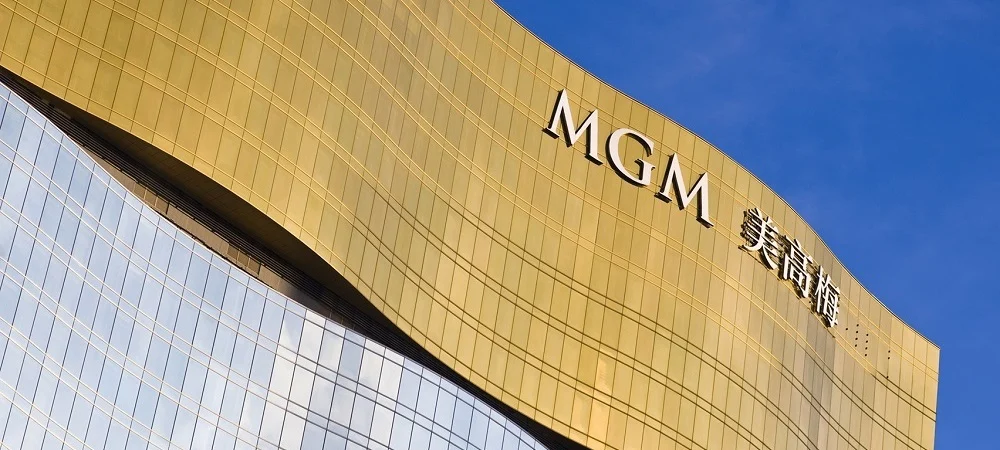
Meanwhile, MGM China demonstrated robust revenue despite the World Cup visitation challenges. The group's net revenue reached a historic high of HK$17.4 billion (approximately $2.21 billion), while adjusted EBITDA dipped slightly to HK$4.8 billion ($612 million). Performance fluctuations were noted, with strong gaming volumes in April and May, a drop in June due to the tournament, and a rebound in July. Moving forward, MGM expects to bolster visitation with upcoming events and concerts over the summer.
The company’s premium investments continue to yield positive results, with significant upgrades at MGM Macau, including a newly opened 40,000-square-foot premium gaming area and renovated suites. Looking ahead, MGM’s long-term aspirations include the anticipated opening of MGM Osaka in autumn 2030, enhancing its Asian footprint. Bill Hornbuckle, MGM's President and CEO, reflected on the bright future of the company during the earnings call, sharing a confident outlook backed by a strong asset portfolio.
Wynn Resorts also saw strong performance in Macau. Wynn Palace’s revenue increased by 21% year-on-year to reach $653.4 million, while results from Las Vegas remained proportionally flat. Wynn's operations in Macau reported rising volumes with VIP adjusted EBITDA totaling $306 million, despite a challenging VIP hold that lowered EBITDA by nearly $9 million. Overall mass-market drop grew by 5% during the quarter.
Wynn's CFO, Craig Fullalove, explained the differing trends in rolling-chip and mass-market performances, attributing them to customer value and reinvestment types. While VIP figures tapered, the growth in the mass market provided a hopeful sign for the company's future. Although rolling chip volumes and mass drop were slightly down year-on-year as of the third quarter, improvements appeared in late July as conditions began to stabilize.
Additionally, Wynn announced plans for its Al Marjan Island development in the UAE, expected to open by 2027, with a revised budget reflecting increased development costs.

