
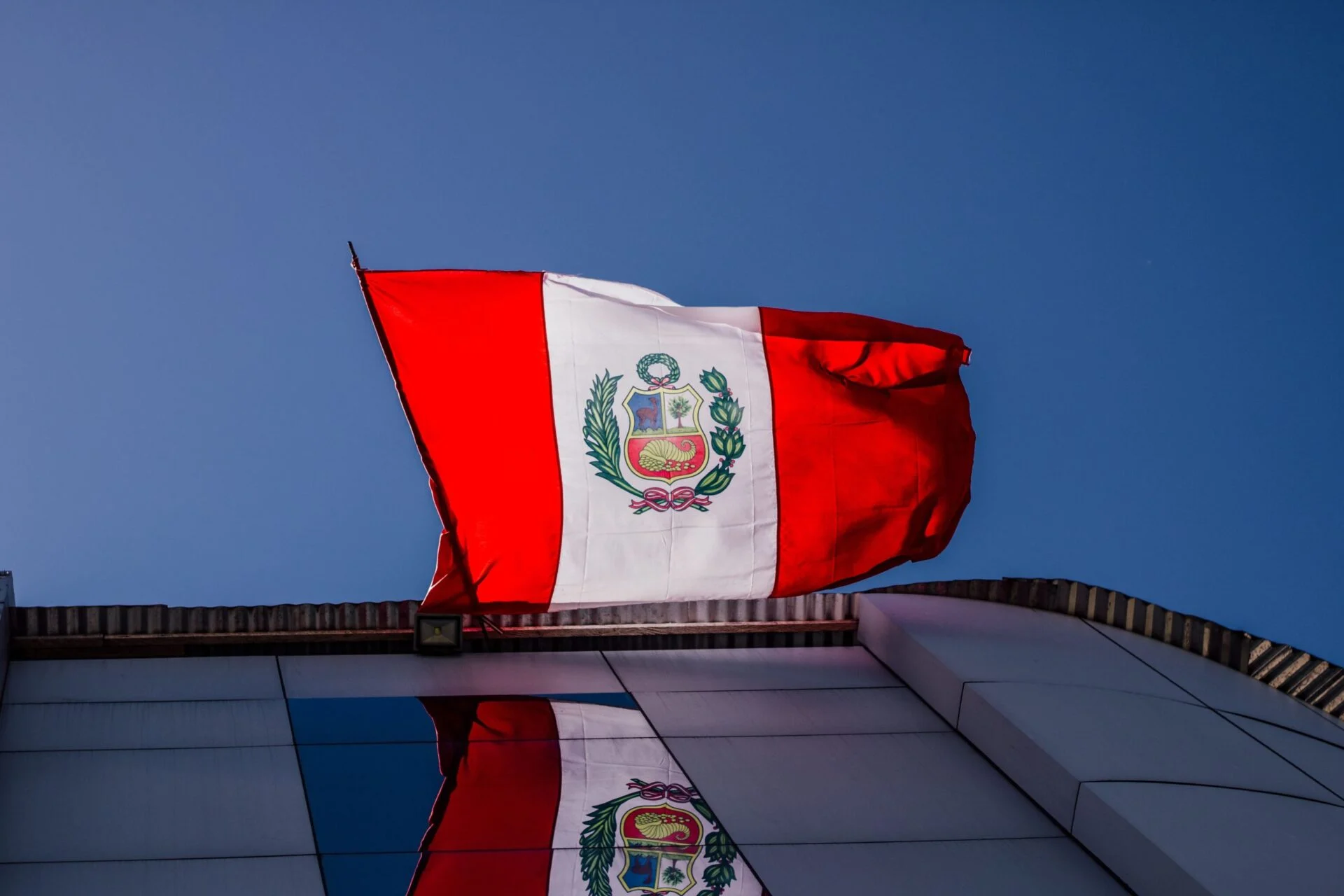
The regulated market in Peru was launched in February 2024, quickly attracting several international operators alongside established local companies like Apuesta Total, which leads the market.
Jennyfer Escobar, the country manager for Stake in Peru, describes the market as one of the most competitive in Latin America. She notes, "In the early stages, competition was largely driven by marketing investment, including advertising, sponsorships, etc. Today, product quality, platform performance, and overall user experience are becoming much stronger differentiators. Players are more informed, have higher expectations, and will switch brands if those expectations aren't met."
Stake, which entered the Peruvian market in 2024, must compete against Betsson, a company that has been operational since 2008. Andrea Rossi, Betsson's commercial director for Southern Europe and Latin America, acknowledges the polarized nature of the market, stating that a few companies dominate while others attempt to catch up. "Competition has already evolved," he mentions, highlighting the fierce rivalry present.
Rossi emphasizes the importance of continuous improvement and adapting to local culture. Local Peruvian brands face challenges from international players who often offer large-scale advantages in technology and investment. Ramiro Atucha, founder and CEO of Atucha Strategic Advisory, stresses that successful localization goes beyond language. He explains, "We’re talking about taking the effort to understand what the history of those players is, what they’re used to."
Despite local attempts to strengthen technology, larger platforms often collaborate only with tier 1 operators, which can hinder smaller companies. Atucha reminds us that many operators in emerging markets can grow into tier 1 players—a point underscored by the example of EstrelaBet, which started small but grew significantly.
Atucha believes that international operators must execute their global strategies with local perspectives to excel. He aligns this with Betsson's extensive local experience since entering Peru, which has helped the company maintain its growth in the region. In the second quarter of the year, Peru became Betsson's largest region by revenue, attributing to 36% of its earnings. Rossi attributes their success to a combination of factors, including continual investment in product development and localization efforts.
Like Betsson, Stake also aims to merge its global capabilities with local insights, having secured licenses in various Latin American countries, including Peru. Escobar states, "We’ve invested heavily in understanding Peruvian players, building local partnerships, working with creators, supporting football, and tailoring our marketing and customer experience to local preferences."
Peru's favorable regulatory framework has been received positively. Rossi appreciates the regulator's commitment to a safe and transparent market environment, while Escobar sees growing digital adoption in the regulated space as an enticing opportunity for operators.
However, challenges remain, particularly with a 1% selective consumption tax (ISC) on online bets, implemented on July 1, 2025. Atucha warns that regulations can start off operator-friendly before governments tighten controls, comparing it to "boiling a frog". Rossi voices concerns that the ISC could drive customers back to the black market, emphasizing the need for a careful review of the tax framework to avoid disrupting businesses.
Atucha warns of a tipping point where increased taxes could hinder market stability, referencing failures in other jurisdictions like the UK and Germany. He urges regulators to examine these examples to understand the risks involved.
As the market evolves, operators must find a balance between maintaining growth and remaining competitive. Escobar foresees the competitive landscape becoming increasingly quality-driven, requiring operators to excel in technology, product innovation, and customer experience. However, Rossi views Peru as already mature, citing the historical context of betting in the country and noting the potential for growth driven by increased mobile penetration and digital consumer engagement. He concludes that educating new players on responsible gaming is crucial for the industry’s future in Peru.

