
In July, when Spain's captain Rodri lifted the FIFA World Cup trophy at MetLife Stadium in New Jersey, the nation celebrated its triumphant return to football greatness. Spain's remarkable journey over five weeks and eight matches culminated in the team's second World Cup victory, having bested formidable opponents along the way.
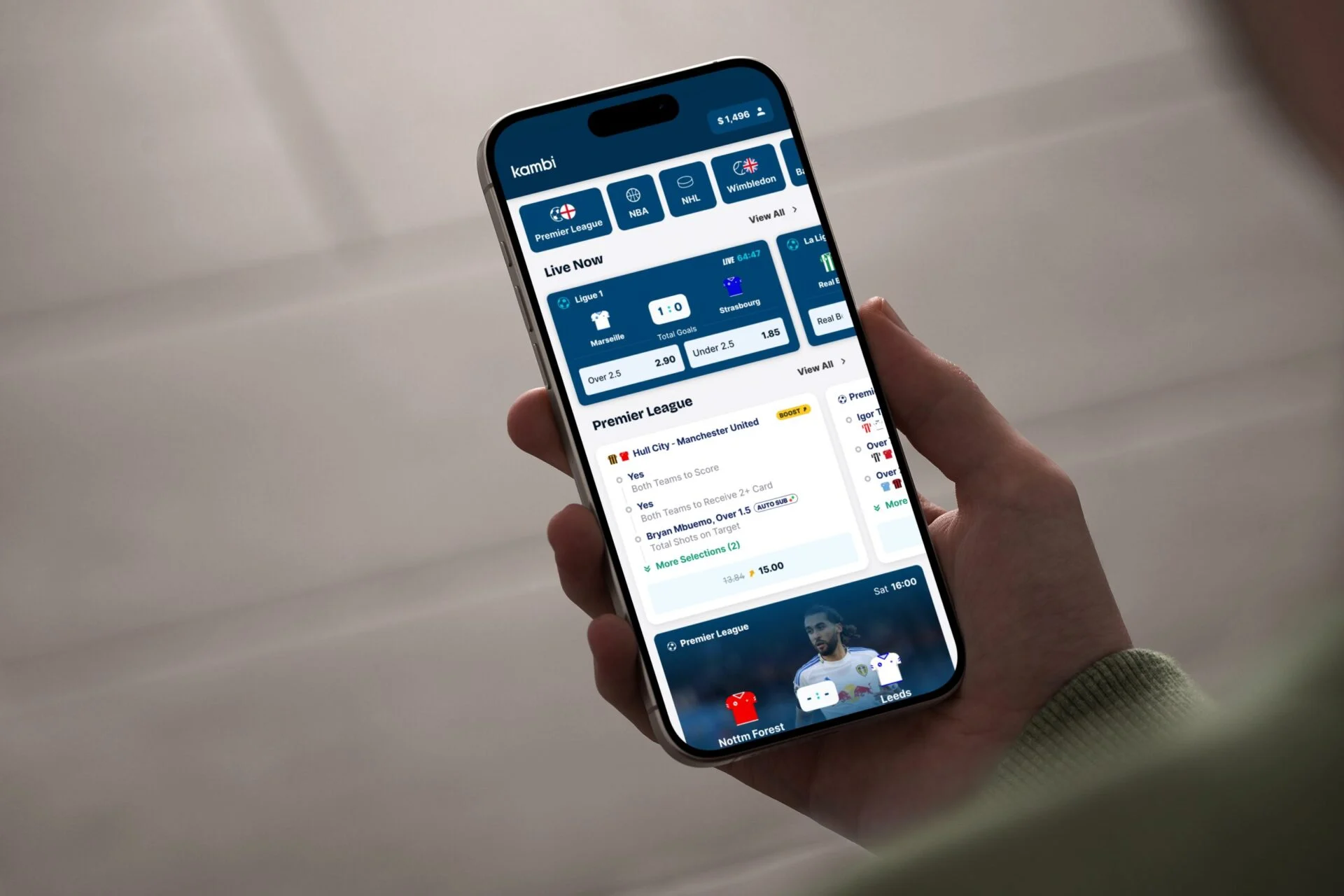
While Spain relished its victory, Kambi, a sports betting technology provider, turned its attention to a significant milestone of its own. The tournament marked Kambi's debut of a fully AI-powered trading platform during the World Cup.
Throughout 104 matches, Kambi’s AI managed more than 100 million bets, overseeing every function from data ingestion to liability management and bet settlement. The platform experienced zero downtime and achieved an impressive operator trading margin of 18%. Notably, during the final match alone, the system processed over a million unique bet combinations.
Kambi aimed for a fully automated trading experience throughout the tournament, and by the time Spain lifted the trophy, it had showcased the effectiveness of AI in managing the scale and complexity of this monumental event, enhancing experiences for operators and their customers.
Oliver Lamb, Kambi's Senior Vice President of Trading, remarked, "The FIFA World Cup draws global attention in a way that no other sporting event can, and it was the best stress test of the technology we could have asked for. We also delivered a near-limitless range of bet combinations, provided in a faster and seamless manner than ever before."
Kambi’s journey to the 2026 World Cup began with an investment in AI trading technology in 2021. By the time of the Qatar 2022 tournament, the platform was being used extensively and had become fully integrated into Kambi’s trading operations by 2024.
By 2026, Kambi's AI had been rigorously tested across various major competitions, including the Premier League and Champions League. As a result, over 70% of bets on Kambi’s network, including football and tennis, were managed by AI.
Lamb explained the evolution of Kambi's trading model: "What we have done is shift from machine-assisted trading to human-assisted machine trading." This transition allows traders to focus their expertise on areas where human judgement is most critical, such as product development and innovation, rather than routine market management. The incorporation of AI frees traders from limitations on offerings and pricing, creating greater efficiency while enhancing service quality for partners and customers alike.
The 2026 World Cup also underscored Kambi's belief in the necessity of total AI integration. Traditional sportsbooks have evolved; today’s bettors desire to place wagers on individual players and specific moments within a game. The number of Bet Builder bets during the tournament doubled compared to 2022, with in-play bets surging sevenfold. These types of bets constituted 22% of live wagers, a significant increase from just 3% four years prior. Player propositions featured in 65% of Bet Builders, rising from 25% in 2022, while shots on a player's target became Kambi's second-largest pre-match betting offer by turnover.
“Customers seek personalized experiences and the ability to quickly build customized wagers,” Lamb noted. “Meeting these expectations through manual trading is no longer feasible at scale.” AI has also played a key role in reducing delays for in-play bets, optimizing user experience by significantly streamlining the time span between bet selection and acceptance.
Following the World Cup, Kambi is focusing on expanding its betting options, including more shots-on-target betting opportunities before matches and additional automated intervals during play, further enriching betting possibilities as games unfold.
While prior simulations had prepared Kambi for the logistical demands of the World Cup, real-world performance revealed Kambi’s competitive edge. Independent analysis by Bettormetrics indicated that Kambi partners led, or shared the lead, in critical measures like time-to-market and live uptime.
“Testing alone cannot define your market position on key aspects,” Lamb responded. “It was encouraging to see Kambi leading in these crucial metrics.” Not surprisingly, 63% of the pre-match turnover was attributed to bets outside the match-winner category, reflecting the growing importance of diverse betting options.
In the wake of the World Cup, Kambi has embarked on a broader initiative to implement AI trading in basketball, ice hockey, and American football. The ultimate goal is for Kambi’s sportsbook to accurately offer bets tailored to customers' preferences in real-time, capitalizing on their extensive network of over 70 partners, which represents a vast pool of annual liquidity and betting activity.
“The concept of AI is prevalent in many tech sectors, but its influence on the betting and gaming industry is significant,” Lamb said. “Transforming AI from a buzzword into an operational advantage requires robust data paired with expert human oversight.” Kambi’s successful implementation during the World Cup highlights its potential to reshape sports betting experiences.

