
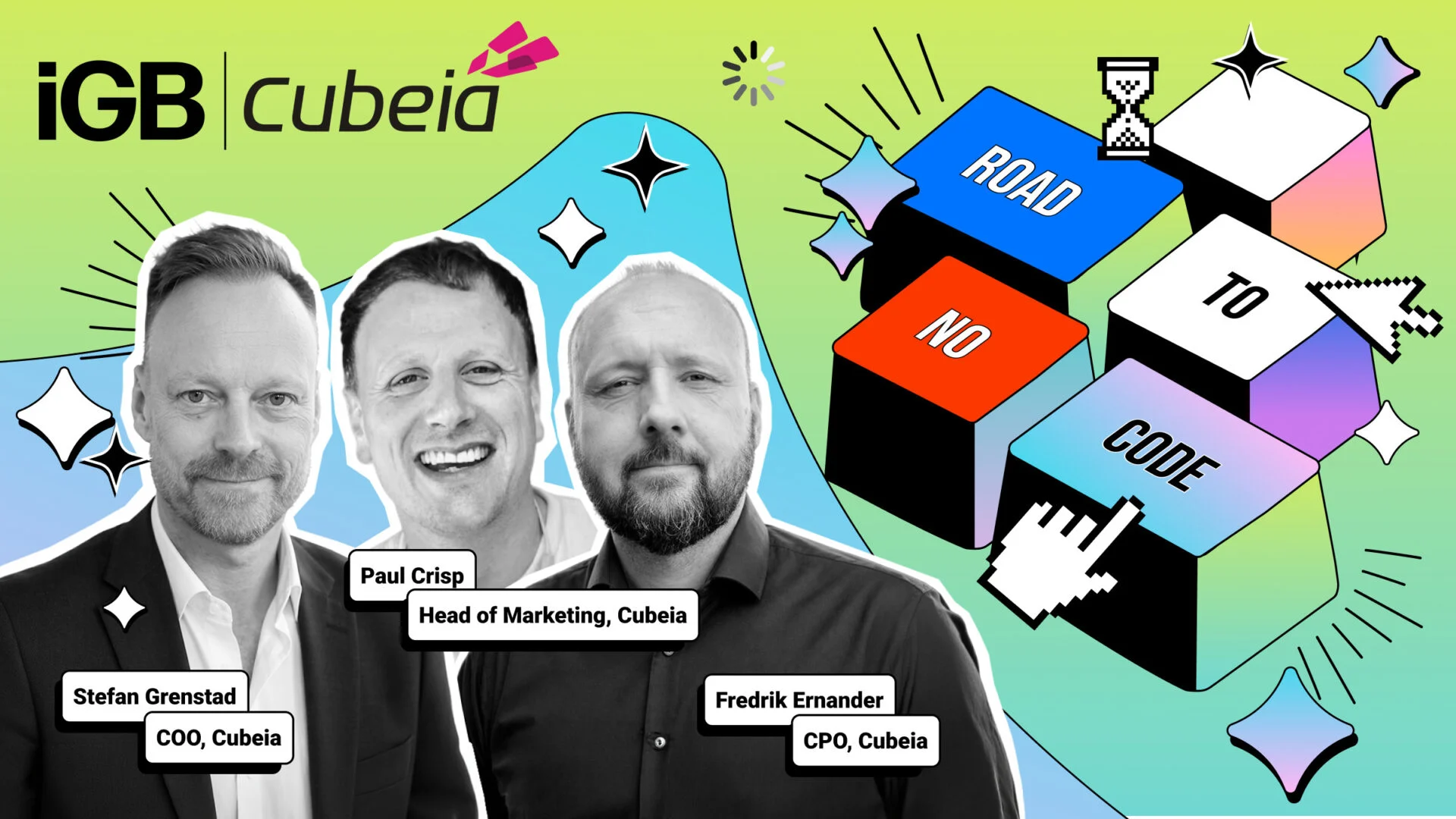
Adapting to a seismic operational shift requires a company to embrace new systems, processes, and roles for its staff. Implementing significant changes thoughtfully can expedite the integration of these new systems, yet uncertainty remains, particularly regarding human reactions to change.
In April, Cubeia, an iGaming platform developer, decided to fully integrate AI-assisted code throughout its operations, aiming to use Claude's language model to accelerate development and enhance the release of updates for its clients.
By mid-July, COO Stefan Grenstad reported that 100% of the supplier's front-end systems were driven by AI, while the back-end lagged slightly at 90%-95%. Grenstad's predictions about the benefits of this shift—namely faster release cycles and an increased number of updates compared to their previous reliance on human-written code—have indeed materialized.
One unanticipated challenge during this transition has been the strain on the development team's adaptability. Grenstad candidly noted, "Developers who struggle with context switching are having a tough time. To boost productivity, being a multi-tasker is essential.” He elaborated, saying, "You can start hundreds of agents at once. Setting up these agents only takes minutes, which allows developers to handle numerous tasks in a day. However, multi-tasking is critical to run these processes in parallel while also having someone review AI-generated code."
Finding the right balance of simultaneous tasks for one developer has emerged as vital. Grenstad remarked, "There’s a sweet spot for how many parallel tasks [a developer] can manage. We need to determine what’s optimal for our workflow. This effect caught me off guard. Restructuring and additional training are essential for adapting to the revised processes. It boils down to prioritization, helping team members discern what requires focus versus what is less urgent."
As a result of these challenges, internal discussions about the daily limits for task completion have become necessary. When prompted about resistance from tech leads regarding the shift to AI-generated code, Grenstad acknowledged that pushback exists, though he also pointed out that some prior skeptics have embraced the new system enthusiastically.
For instance, one senior member who was initially skeptical has begun to utilize Claude as a sounding board and has adapted well to AI-driven development. "When senior developers engage with AI, the model can refine itself or enhance solutions, which is remarkable," Grenstad noted.
Conversely, some team members are concerned about losing control in light of more rapid releases. Before adopting AI-assisted coding, Cubeia typically made four to six releases per month with an average of 50 tickets raised. However, in May, they had five releases and 86 tickets. By June, those numbers rose to ten releases and 96 tickets.
This rapid expansion in output has prompted Cubeia to think critically about team restructuring, integration of new processes, and extending AI usage across various functions. A key area of focus for Grenstad is better integrating quality assurance (QA) into the development cycle, especially given the accelerated pace of releases.
"The QA function is part of the development team, but the handover process has become less effective in an AI-driven environment. It's essential that AI-driven QA aligns with development from the start," he explained. Moving forward, developers will oversee a task through to production, with QA incorporated into that phase.
Providing adequate support for teams is crucial during this transitional period. Grenstad commended his tech leads for their efforts in assisting team members who face challenges. "Overall, developers are on board with our goal of transitioning to fully AI-assisted code. They recognize this as the future, even while maintaining some skepticism about how to ensure consistent quality with rapid development cycles."
The adaptation journey continues as Cubeia seeks to refine its processes and address challenges, underscoring the complexities of integrating significant operational changes.

