
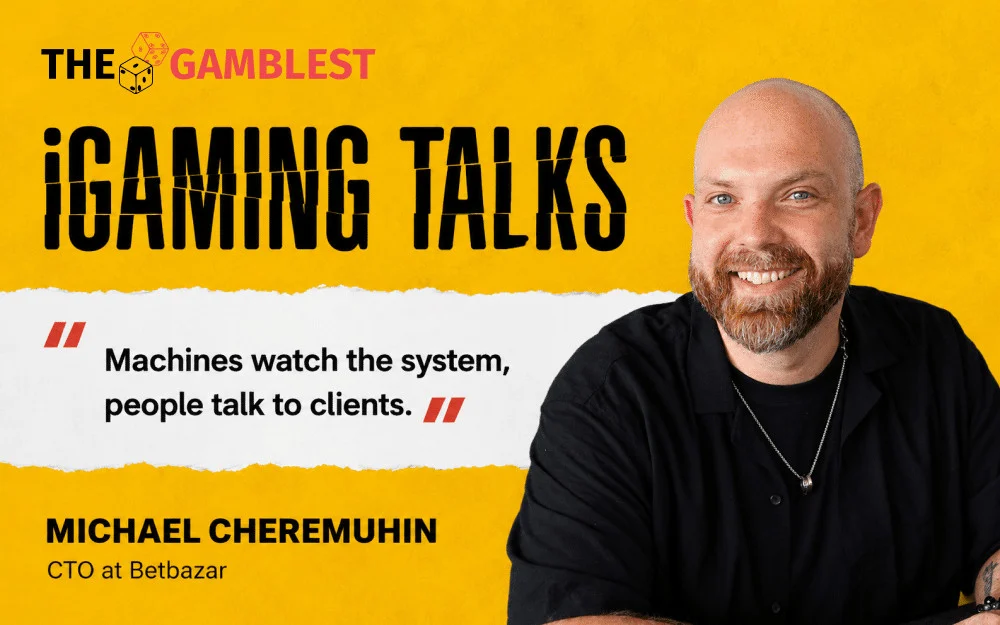
Michael Cheremuhin, CTO of B1, shared his insights on sports data coverage during an interview. Currently, B1 Sports Data Feed offers impressive coverage, including over 3,000 active tournaments, more than 260,000 live events, and upwards of 230,000 pre-match events across traditional sports, esports, and their AI sports offerings. Despite these high numbers, Cheremuhin cautions operators against selecting a data feed solely based on these statistics. He emphasizes that the critical factor is whether the data aligns with what players actually bet on, marked by quality, depth, and speed rather than just total counts.
Cheremuhin highlighted the distinctions between pre-match and live data coverage. He noted that pre-match coverage focuses on depth and stability, enabling operators to set accurate prices well ahead of game time. In contrast, live coverage prioritizes speed, as odds change rapidly and timely updates are crucial for maintaining relevance. He stated that B1’s infrastructure is designed to deliver information in under 200 milliseconds, which is essential for live betting, while pre-match data helps in building the trust of operators.
Discussing the integration of white-label content, Cheremuhin acknowledged that all providers utilize external event data. He explained that every piece of content uploaded to their platform undergoes the same rigorous standards, regardless of its origin, to ensure consistent quality and accountability for clients.
When it comes to covering emerging sports, Cheremuhin mentioned that B1 can swiftly integrate these into their offerings due to their modular platform. By connecting new sports to an existing infrastructure, they can begin service rapidly based on confidence in market pricing, rather than wait for a sport to gain popularity.
Cheremuhin also noted that while automation handles many aspects of support, human intervention is essential for complex trading issues and client communications. He explained that machines continuously monitor the system, allowing real people to engage meaningfully with clients rather than automating all support responses. This approach ensures that critical queries receive prompt and knowledgeable attention from the support staff, which involves direct access to the trading team.
With an average response time under two minutes, B1 attributes this efficiency to their round-the-clock support team and a structured escalation system that prevents delays. Ultimately, Cheremuhin clarified that most issues are identified proactively by monitoring systems, allowing the team to act before the client notices any problems.
In the event of disruptions, B1's system is built to handle incidents seamlessly. An automated escalation process alerts the necessary personnel as soon as a problem is detected, ensuring that clients are informed with clear communication and resolution efforts already underway. Cheremuhin underscored that while no company can completely eliminate issues, B1 aims for swift recovery and transparency regarding incidents.

