
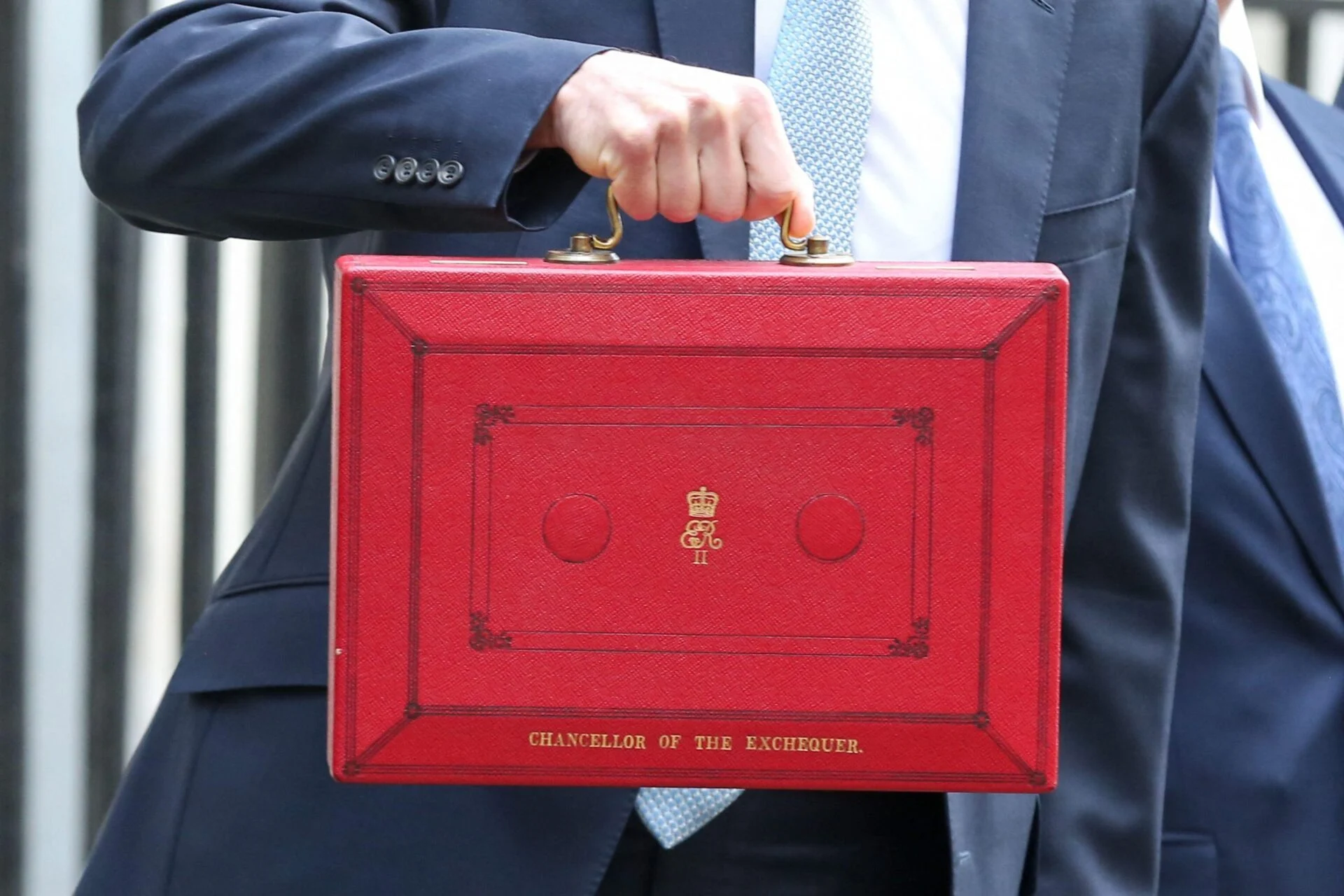
On Wednesday, October 28, John Healey, the UK's chancellor of the exchequer, will present the autumn budget in parliament, marking a pivotal moment for the country's retail sector, which is currently filled with uncertainty.
In recent months, there has been considerable speculation regarding a potential increase in Machine Game Duty (MGD) applied to Category B gaming machines, an adjustment that is now largely anticipated.
A report released in June by the Social Market Foundation (SMF) advocated for the doubling of MGD from 20% to 40%, asserting that this change could generate between £275 million and £458 million, while addressing the risks associated with these gaming machines. This proposal has found favor with several political figures, including former Prime Minister Gordon Brown and numerous Labour MPs.
However, the response from the industry has been one of alarm. A study commissioned by the Betting and Gaming Council (BGC) indicated that up to 16,000 jobs, 1,500 betting shops, and 34 casinos might be at risk. The same report suggested a potential tax loss of £124 million for the Treasury due to closures triggered by the proposed tax increase.
In light of these grim warnings, The Times reported that Healey has opted for a smaller increase of 5%. While some industry insiders have framed this as a relief, given the possible alternatives, skepticism remains.
Greg Knight, the CEO of JenningsBet, shared his perspective, likening the situation to an airport delay: "It’s a bit like when you’re waiting at an airport and they say you’ve got a three-hour delay, then they revise it to half an hour, and everyone cheers. I certainly don’t think it’s a win. It could be an awful lot worse, couldn’t it, but I’m not celebrating because at the end of the day it’s still going to be a big drain on the industry."
Similarly, Simon Zinger, a managing partner at Calibri Law and advisory Bluestar Partners, maintained a cautious viewpoint. “The 5% is a win relatively speaking if you think about what was possible, but I don’t think it’s a win given that any level of additional tax would be counterproductive,” he stated.
Despite the reduced hike, the BGC warned of potential job losses and business vulnerabilities. In a recent LinkedIn post, financial consultant Andrew Bowden presented calculations suggesting that should there be no betting shop closures, the Treasury would receive approximately £120 million in tax—significantly short of the SMF's estimates. Moreover, each betting shop closure would result in a £155,000 decrease in taxation, implying that 280 shop closures could negate any net tax benefit from the increase.
Knight noted that his company might be forced to close a few stores if the tax hike is implemented. The BBC has reported similar concerns from bingo halls and amusement arcades, with Buzz Bingo indicating that 40% of its clubs may face losses. Zinger warned that an MGD increase, paired with existing remote gambling tax rises, could lead to a surge in enforcement actions against operators, further complicating compliance and operational integrity.
While the retail sector grapples with these challenges, some analysts argue that online operators, particularly those without retail outlets, may find new opportunities amid heightened costs for bricks-and-mortar competitors. For instance, smaller, innovative online brands like Midnite and Mr Q could benefit from a tax rise that pressures larger corporations, allowing them to capitalize on their agility and compliance capability.
As Chancellor Healey deliberates, the effectiveness of the proposed gambling policy modifications remains under scrutiny. Disturbingly, a draft of the SMF's original report revealed that even within the organization, there were doubts regarding the accuracy of claims related to job impacts. The draft contained concerns that projections might be overly optimistic, underscoring a lack of certainty about how the industry would respond to a tax increase.
Despite the SMF’s continued advocacy for a higher tax rate, senior fellow James Noyes seemed unfazed by the smaller increase, indicating a 25% rate could be a more “reasonable” benchmark. Knight expressed frustration over this atmosphere of uncertainty. “I have been inundated with staff asking if their shop’s going to close. There are real-world consequences to what people do,” he remarked.
Beyond the individual ramifications for operators, there is widespread industry discontent concerning the deployment of financial risk assessments and the government's recent reluctance to enact policy clarity.
The overarching demand from the gaming industry is for consistent, long-term clarity and stability from government officials. A 5% MGD increase might be manageable, yet the uncertainty about future tax raises adds to the strain.
Zinger emphasized, "A 5% MGD hike is not a win for the general growth prospects of the UK industry longer-term,” as expectations grow that the government will likely seek further increases in the future.
Investment hesitation is palpable, with Genting Casinos COO Paul Willcock expressing a desire to invest but finding the unstable regulatory environment a significant barrier. Similarly, Simon Thomas, executive chairman of the Hippodrome, highlighted the urgent need for assurance regarding stable operational conditions. Knight voiced a plea for the government to commit to predictable policies throughout the current parliamentary term or further, urging for a framework that allows businesses to plan effectively, rather than facing sporadic tax hikes as fiscal needs arise.

