
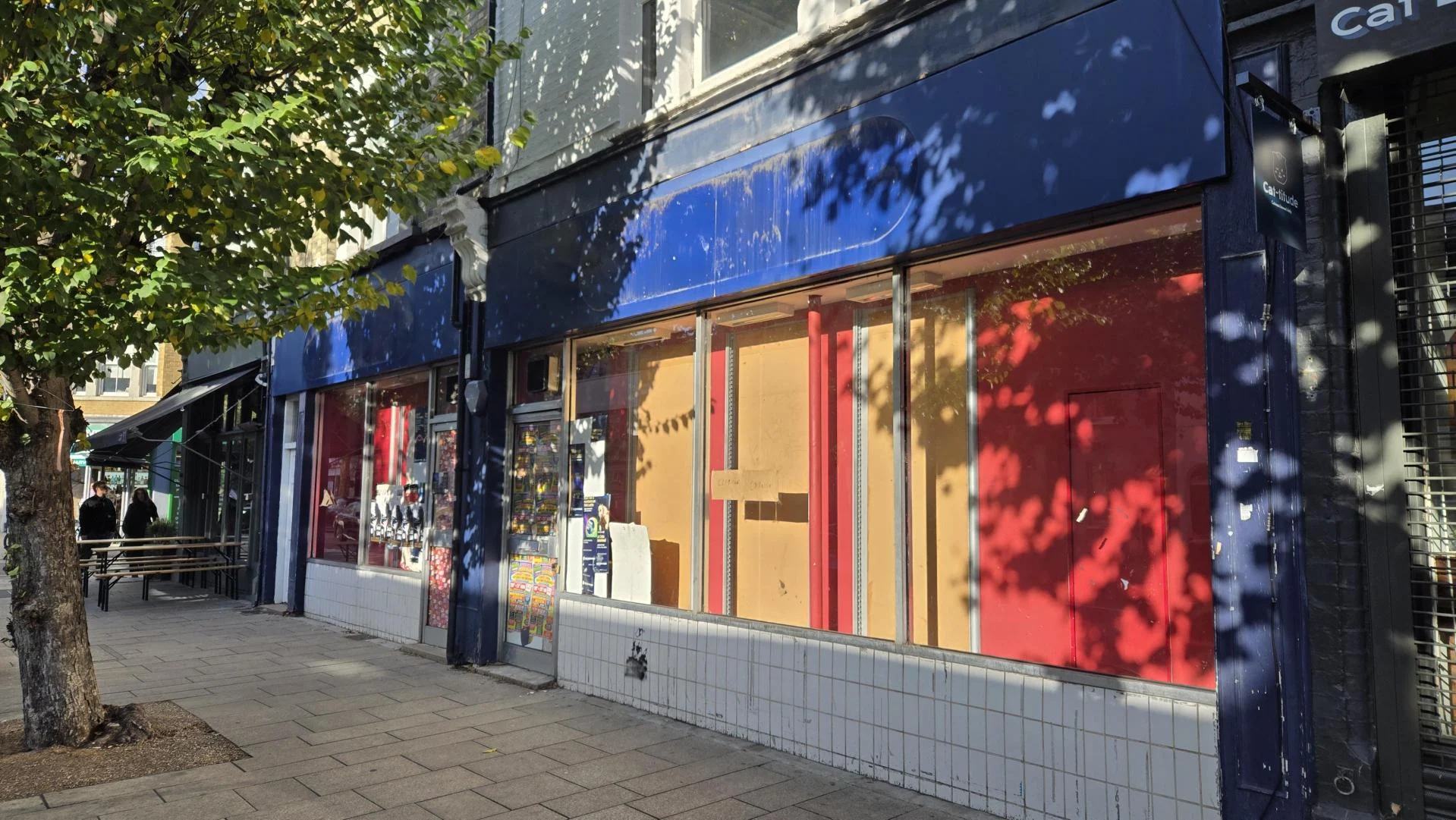
Prime Minister Andy Burnham's government has identified the state of the high street as a pressing political concern in the UK. There is a widespread belief that high streets are in decline, and the government has launched a series of rhetoric and policies aimed at revitalizing them.
The high streets have suffered from neglect by previous administrations, significant cost increases, the impact of the COVID-19 pandemic, and the rise of online shopping. This issue resonates with many people across the nation, as these areas are crucial to local communities and employment.
However, not all businesses on the high street are viewed equally in this narrative. Gambling establishments have been identified as the villains of the piece.
In August, Burnham faced backlash from the gambling industry after he categorized betting shops alongside vape shops as ‘dodgy businesses,’ a classification he used to justify granting councils more power to reject gambling licenses. This stance is not unprecedented; last year, then-Chancellor Rachel Reeves almost doubled the remote gaming tax, citing concerns about gambling-related harm and disregarding calls for some of that revenue to be utilized for harm reduction initiatives.
The government's recent budget announcement on October 28 aligns with this narrative. It proposed cutting business rates for high-street businesses, funded by increased taxes on gambling machines. Chancellor John Healey announced plans to raise the threshold for business rates, allowing more businesses to be exempt and freezing rates for others. He stated, "To pay for this support for our high streets, I am raising taxes on gambling," adding that Adult Gaming Centres and vape shops would not benefit from the rate cuts. Healey re-emphasized his position later in his speech: "I'm raising taxes on gambling to support good growth on every high street."
Supporters of gambling reform welcomed this fiscal strategy. MP Alex Ballinger, known for his anti-gambling stance, expressed that aiding high streets should focus on businesses that truly serve the community rather than the gambling sector. Dawn Butler, who has advocated for the repeal of restrictive gambling measures, endorsed the funding of rate cuts through gambling taxes, stating, "Basically we’re taxing harm to help good business."
The narrative surrounding the gambling tax hike starkly contrasts Healey's praise for the banking sector, where he thanked banks for their role in the economy while requesting their cooperation in funding solutions for energy bills through a modest three percentage point increase in their levy. In his remarks, Healey lauded the contributions of banks to jobs, industry, and investments and directly expressed gratitude towards them.
Conversely, the gambling industry did not receive such acknowledgment, highlighting an unwillingness on the government's part to view it as anything other than a financial resource to be taxed at will. This perspective may lead to ongoing strain between the government and the gambling sector, which is often positioned as a necessary target to fund more favorable types of businesses.
There is valid reasoning for the gambling sector to contribute to community welfare, especially since gambling can negatively impact local neighborhoods. While some advocate for increased taxes on gambling revenue to assist other businesses, the current government approach suppresses any constructive relationship between the administration and the gambling industry, neglecting gambling establishments’ legitimate contributions to high streets.
Although gambling venues often present a less appealing sight compared to other businesses, taxing them disproportionately could diminish their capacity to maintain and refurbish their establishments, perpetuating a cycle of decline.
Language surrounding tax hikes can influence public perception, and the framing of gambling as a vice could support calls for further tax increases in the future, potentially contributing to the closure of high-street businesses and job losses.
The government's attitude may overshadow the specifics of the tax increase itself. Observers anticipated the MGD hike, which had been widely reported, and while the adjustments might create challenges, analysts suggest that businesses could adapt.
Nevertheless, the lack of a stable long-term regulatory framework leaves operators uncertain about future government actions, with some Labour MPs advocating for even higher taxation on gambling. This uncertainty complicates planning and investment within the industry, which stakeholders argue could harm not only the gambling sector but also the high streets they are meant to support. Burnham and Healey's approach could undermine efforts to rejuvenate these crucial economic areas.

