
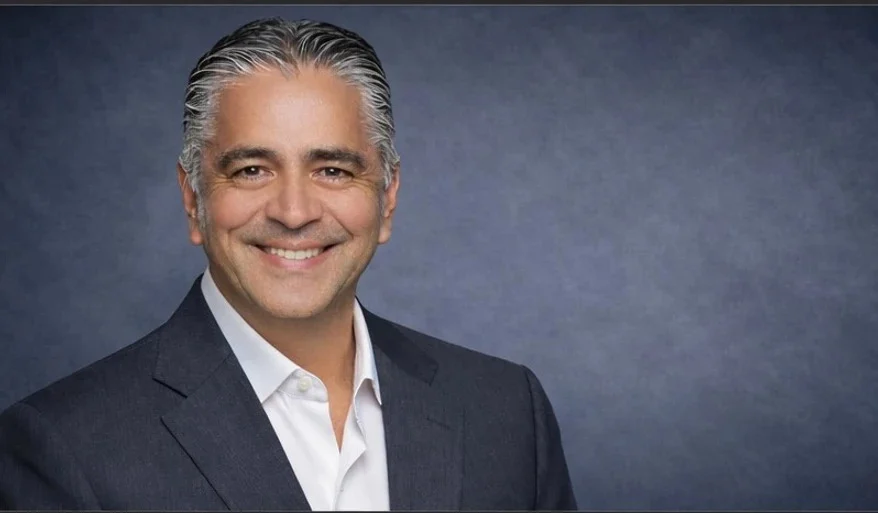
Alex W. Pariente emphasizes that regulatory stability is crucial for Brazil to rebuild investor trust in its iGaming sector. In light of expired licenses and ongoing disputes tied to Provisional Measure 1,394, he breaks down the issue into seven key questions.
In this analysis, Pariente argues that the ability to provide legal certainty and effective enforcement is more important than the allure of advertising opportunities or the promise of reduced taxation that may be prone to change. He notes that Brazil possesses the necessary legal, regulatory, and professional frameworks to rejuvenate its gaming industry. The main hurdle, he says, is to maintain existing structures while creating sustainable solutions that turn the current crisis into a new avenue for investment.
**Seven Questions Brazil Must Address**
As of October 25, 2023, Brazil lacks an authorized betting market. The 85 licenses issued under Law 14.790, worth BRL 2.55 billion (around $476.2 million) in fees, have expired without refunds.
Provisional Measure 1.394 remains active, yet Congress has not yet constituted the joint committee to review it. Supreme Federal Court (STF) Minister Luiz Fux is scheduled to hear from the government, associations, and clubs on November 3, 2023, before ruling on the requests for suspension.
Currently, external observers are closely monitoring Brazil’s situation. According to Pariente, investment committees typically focus on the following seven questions:
1. **Will the issues arising from Provisional Measure 1,394 be resolved?**
No reputable operator is likely to enter a market where legal disputes over the BRL 2.55 billion already paid by previous investors remain unresolved. Any future model, whether it pertains to iGaming or land-based gaming, must first tackle these licensing challenges and the ongoing 19 lawsuits.
2. **Will regulations be established via law?**
Changes implemented through legislation, supplemented with transitional measures and compensation frameworks, carry more significance. For instance, Spain's Supreme Court invalidated advertising restrictions enacted by decree in 2024, stating Parliament must approve such comprehensive limitations.
3. **Will there be an independent regulator?**
In 2023, the United Arab Emirates set up a national regulator before issuing its first license in 2024, while Singapore did so prior to opening its resorts. Brazil already has a Secretariat for Prizes and Bets that developed data and payment control systems in under two years. The challenge remains to provide this body with technical authority and consistency.
4. **Is the concession model feasible within the investment timeline?**
Macau extended its concessions in 2022 for 10 years, adjusting investment commitments in the process. Italy has issued online licenses for terms of up to nine years. For integrated resorts, similar to those in Singapore, Japan, and the UAE, the period for decisions to opening spans three to seven years; thus, having clear renewal regulations from the outset is essential.
5. **Will the tax burden be stable?**
Colombia initially implemented a 19% VAT on online gambling via emergency decree, but its Constitutional Court revoked this in 2026, ordering a refund of the amounts collected. Investors prefer predictable tax rates, rather than low taxes that might fluctuate unexpectedly.
6. **Can capital flow in and out securely?**
Brazil has been employing a modern exchange rate regime since late 2022. Investors seek assurance that this framework will apply consistently to this sector, including regarding dividend repatriation.
7. **Who will continue to meet growing demand?**
Projections from H2 Gambling Capital suggest that the unregulated market could expand from around BRL 17 billion to BRL 42 billion. The Philippines, after banning online gambling operations aimed at foreign markets in 2024, had to introduce specific legislation in 2025 accompanied by severe penalties. Therefore, any new model must clarify how it will address this demand and the regulatory costs involved.
The relevance of these questions extends across any approach, whether it is more liberal or more restrictive, emphasizing the necessity for rule stability. Brazil already has some foundational answers, including a new law from 2023, a functioning regulator with adequate systems, a stable exchange framework, and a workforce experienced in compliance, responsible gaming, and payment solutions.
Pariente Advisory maintains neutrality regarding the direction Brazil opts to take in gaming. Now that elections have concluded, the onus is on institutional decision-making. For external entities observing Brazil, the clarity and soundness of the responses to these seven questions will carry more weight than mere policy announcements. Positive answers could signify that the challenges faced in 2026 may well lead to a promising market evolution for Brazil.

