
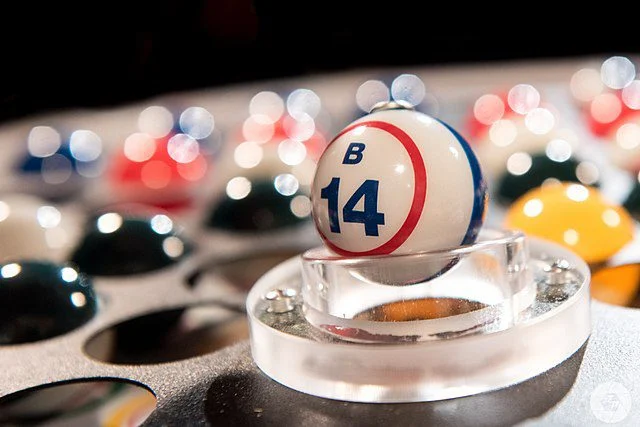
The latest statistics from the UK’s gambling sector show a significant rise in gaming machine revenue from licensed bingo venues, sparking concerns among critics. One gambling harm advocate has even labeled bingo a ‘trojan horse’ for gaming operations.
According to the Gambling Commission's recent figures, bingo operators earned £461.7 million in gross gambling yield (GGY) from gaming machines in the year ending March 2026, in stark contrast to just £242.1 million from traditional bingo games. This means machines accounted for nearly two-thirds of the sector's total GGY of £703.8 million.
This trend has been increasingly noticeable, with GGY from bingo machines soaring from around £293 million in 2019-20 to £462 million in 2025-26 — a staggering increase of 57%. Specifically, revenue from Category B machines, which allow higher stakes, rose from about £197 million to £361 million during the same period, representing approximately 78% of bingo machine revenue in the latest financial year, up from around 67% in 2019-20.
On the surface, these statistics may imply that gaming machines have grown more crucial to traditional bingo clubs. Historically, machines have assisted larger venues in managing costs amidst declining attendance and the closing of conventional clubs.
However, these overall numbers obscure a significant shift in the industry. An increasing number of licensed bingo venues now function similarly to adult gaming centres (AGCs), with many emphasizing machine gaming over bingo.
In October 2025, the government acknowledged this issue in its consultation regarding bingo licensing, stating that a growing number of licensed bingo venues primarily feature gaming machines, making them hard to differentiate from AGCs. Some venues now have machines dominating their floor space and prioritize gaming as their main draw.
Data from the Gambling Commission revealed that less than 1% of GGY for operators primarily engaged in high-street bingo came from bingo games, while 99% was generated by gaming machines. In contrast, traditional bingo clubs received 51% of their GGY from bingo and holiday park operators 55%.
This indicates that the term “bingo premises” now encompasses two distinct business types. One is the traditional bingo club, providing scheduled games to large audiences, while the other is a smaller venue where gaming machines dominate and bingo plays a minor role.
An investigation by iGB into Merkur Slots’ licensing data showed that among 340 venues, 227 were labeled as bingo venues, with only 106 categorized as AGCs. Many of these so-called bingo establishments appear to operate as AGCs, merely declaring ‘bingo played here’ in their signage.
Complicating the scenario further is the emergence of hybrid venues that blend bingo offerings with machine gaming, thereby attracting diverse patrons without replicating the traditional bingo club layout.
Defining what constitutes a legitimate bingo venue versus an arcade operating under a bingo license presents regulatory challenges. According to the Gambling Commission's social responsibility code, licensed bingo venues can only offer machines if they also provide “substantive facilities” for non-remote bingo, yet it lacks a clear definition of “substantive.”
The Gambling Act does not delineate the minimum floor space for bingo activities, nor the number of players or percentage of revenue that must derive from bingo itself. Previous deliberations on this topic by the Commission purposely avoided strict numerical definitions to allow for a variety of bingo forms, ranging from traditional clubs to electronic bingo and newer formats.
Electronic bingo terminals further muddy the waters, as they can host both bingo and gaming-machine content, although only one can be played at a time. This allows a venue to seemingly support bingo while primarily driving machine play.
Incentives do not always favor a broader allocation of Category B machines. Although both bingo premises and AGCs can offer B3 and B4 machines, older venues benefit from limited grandfathered entitlements, leading to a largely similar machine ratio between the two.
However, licensed bingo venues have distinct advantages, including types of bingo not available in AGCs and eligibility for alcohol licensing, which is restricted in AGCs where patrons cannot consume alcohol while gambling.
The regulatory classification of these venues influences their customer experiences, presentation, and the self-exclusion system in place, as well as how local authorities evaluate the gambling risk profile in the area. A bingo venue that primarily offers machines will have a different regulatory standing than an AGC with a similar product offering.
The government’s consultation observed that in-person bingo and machine gambling present different risk profiles, noting that survey results align higher machine play with increased problem gambling rates compared to land-based bingo. A venue mainly focused on machines will inherently have a different risk footprint compared to a club featuring visible bingo facilities.
However, revenue alone does not inherently prove increased gambling harm, nor does a higher percentage of machine revenue indicate that a traditional club is failing to provide meaningful bingo. Higher-revenue games can yield more GGY than a large number of bingo seats, suggesting that a revenue-centered assessment might incorrectly categorize legitimate bingo clubs as inadequate.
Data indicates the situation is growing more urgent. The Bingo Association reported a decrease in registered traditional clubs from 335 in December 2018 to 248 in August 2024. Meanwhile, the total number of bingo premises increased to 714 as of March this year, up from 688 the previous year, suggesting that growth in smaller high-street locations is offsetting losses of traditional venues.
The revenue landscape has evolved, with machines providing 44% of licensed bingo sector GGY in March 2014, rising to 63% by March 2024, and reaching 65.6% in 2025-26.
This debate goes beyond machines simply gaining a larger share within existing bingo clubs; it encompasses the rise of venues where machines have always been the primary focus.
To address these challenges, the government’s consultation proposed clear definitions for bingo areas within licensed venues. Options presented included mandating 30%, 40%, or 50% of the venue dedicated to bingo, with machines prohibited from those spaces, and stipulating that tablets must offer bingo options.
Additionally, the consultation discussed the possibility of requiring a minimum number of dedicated bingo positions, proposing options of 30 or 40 seats or a formula linking positions to the bingo area size.
For those operators wishing to maintain a machine-centric business model, transitioning to an AGC license could be a viable alternative, although this would entail losing the ability to provide most bingo forms and possibly alcohol, along with incurring updated licensing fees.
The policy challenge lies in establishing a balance that prevents genuine hybrid formats from being adversely impacted while also addressing venues that offer minimal bingo to justify a primarily machine-oriented operation.
A seating requirement might offer clarity, provided the number is adjusted to suit smaller venues, while a designated floor space could ensure bingo's prominence, potentially dissuading operators from maintaining merely cosmetic areas to comply with requirements.
The lines between AGCs and bingo venues have become increasingly indistinct. The ideal regulatory framework might ultimately need to establish both a defined bingo section and a substantial number of actively available bingo spots.
While the consultation wrapped up in January, the shift in government personnel has left stakeholders awaiting a response.
Machine-driven bingo venues may not be operating illegally, but existing regulations struggle to determine the criteria required for a venue to legitimately claim to be a bingo establishment. A single licensing category currently describes everything from traditional clubs with numerous bingo positions to smaller high-street venues that derive 99% of their gaming revenue from machines. The government recognizes the need to clarify this blurred boundary with AGCs while protecting the integral bingo venues that remain under its designation.

