
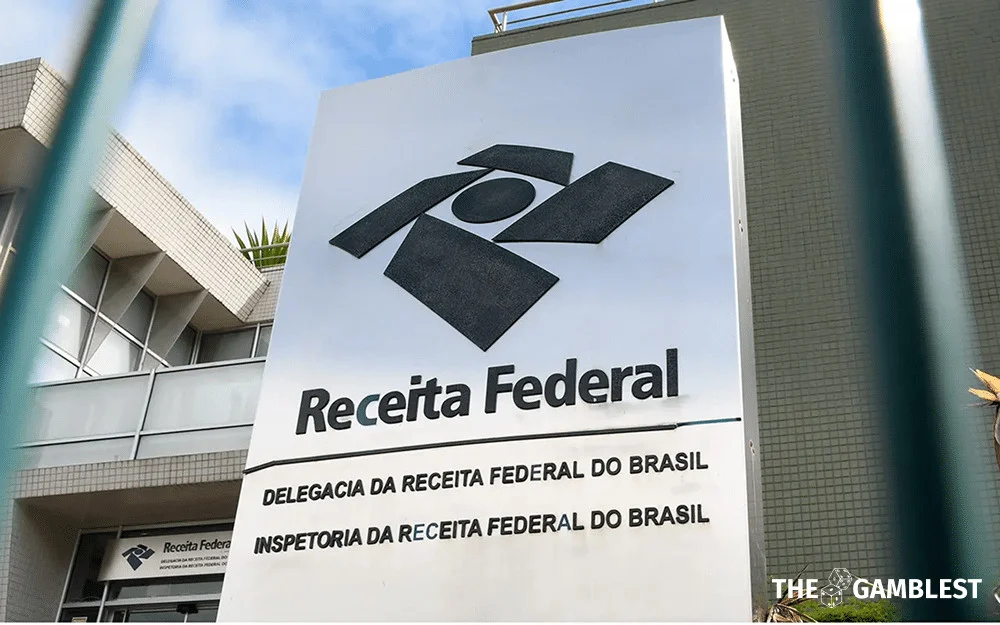
From January to September 2026, Brazil's betting and gambling taxes totaled R$11.116 billion, a figure that also encompasses revenues from Caixa lotteries. This data arrives just before the country's betting ban disrupts licensed operators, posing a challenge to future revenue increases.
On October 22, the Federal Revenue Service reported that tax collections for September stood at R$1.206 billion, representing a 3.7% rise from the R$1.163 billion collected in August. However, this amount is 7.94% lower than the R$1.310 billion forecasted for September 2025. September marked the last month for licensed betting operators before the implementation of Provisional Measure 1,394/2026.
Between January and September, fixed-odds betting firms contributed R$3.72 billion in mandated allocations to various beneficiaries, including sectors like sports, tourism, and public security, alongside R$3.14 billion in federal taxes. Marcelo Gomide, the Federal Revenue Service’s coordinator for Forecasting and Analysis, provided these insights.
Claudemir Malaquias, at the helm of the agency's Center for Tax and Customs Studies, noted that some revenues related to gambling will likely persist as the new measure does not apply to every category of betting and lotteries.
Despite these nine-month figures surpassing those of the previous year, the suspension of fixed-odds betting puts the optimistic revenue forecasts at risk. Projections by BNL anticipate annual income between R$14.6 billion and R$15.5 billion in 2026; however, fortunes could shift as exclusive revenues from fixed-odds betting will no longer be reported, making the overall financial outcome dependent on other sources, including Caixa lotteries.
So far, fixed-odds betting has generated R$6.86 billion in taxes and contributions in the nine-month span. The public sector may also feel the repercussions of the ban, with BNLData suggesting that it could jeopardize R$18 billion for various lawful beneficiaries due to expiring licenses.
The future regarding the provisional measure remains uncertain as it needs Congressional approval to remain in effect. Additionally, there are ongoing lawsuits against the ban waiting for adjudication at the Supreme Federal Court. Justice Luiz Fux, overseeing the case, was anticipated to announce a ruling following the second round of elections.
The financial implications highlighted by the September statistics underscore the significance of Brazil's ongoing debate over its betting policies.

