
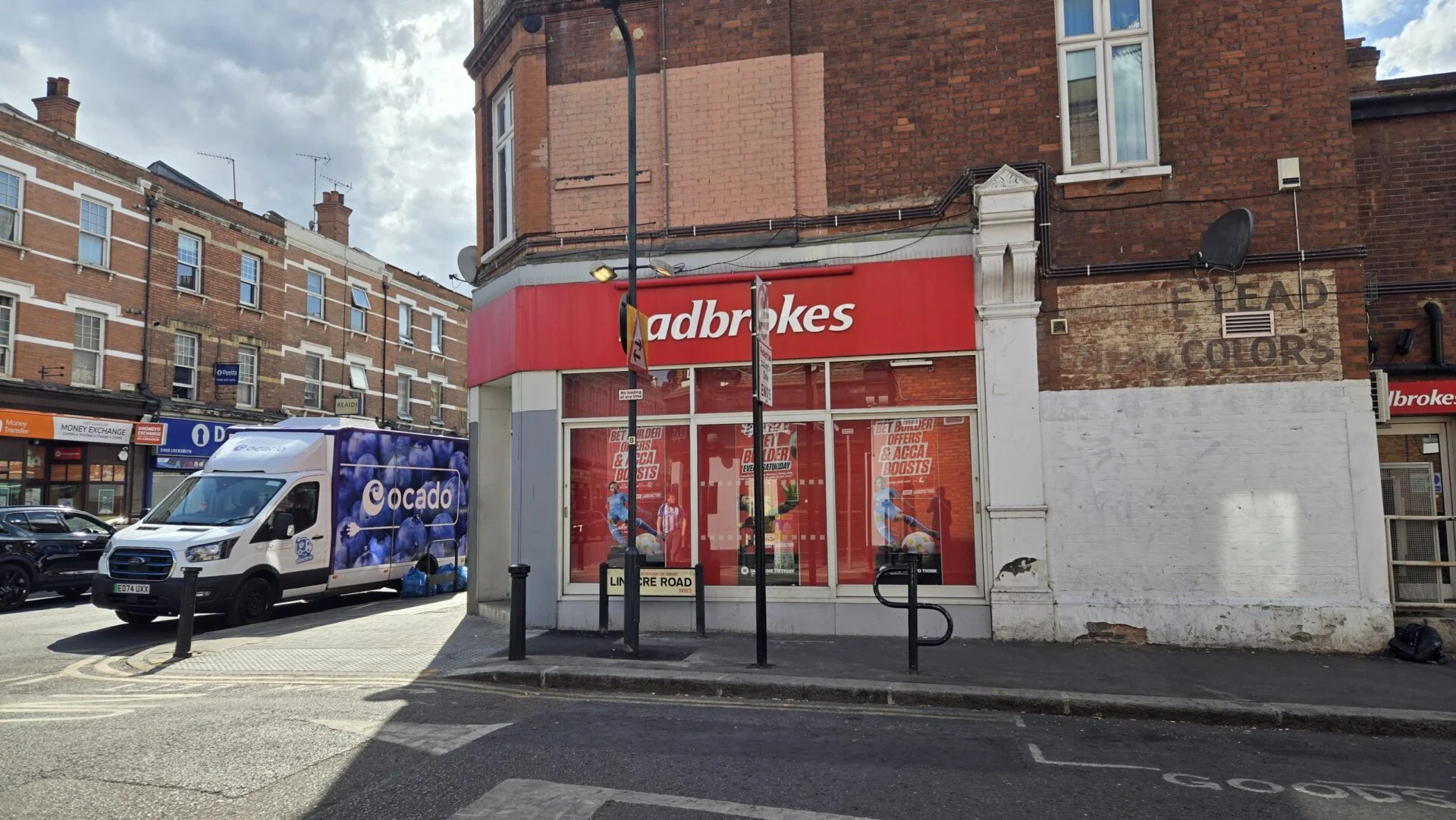
While betting shops are a common sight in many British high streets, the situation in Brent, a borough in north-west London, is particularly striking due to the sheer number of such establishments. Brent ranks second in London for the concentration of gambling premises, prompting local politicians to lead a campaign against the perceived negative impacts of these businesses, citing a lack of control over their proliferation.
Local MP Dawn Butler has taken a prominent stance on this issue, coordinating a cross-party letter to the Prime Minister and declaring a ‘gambling harms emergency’. In the lead-up to the government’s recent decision to abolish the ‘aim to permit’ clause in gambling licensing, the council sent a group of politicians to No. 10 to push for a six-point plan aimed at curbing the expansion of gambling venues.
Interestingly, council licensing data reveals that Brent has not issued a betting shop license in over 13 years. Despite the public criticisms directed at the proliferation of betting shops in the area, it is unclear why the council has not acted to permit new establishments since 2013. Similarly, attempts to reach Dawn Butler for comment were unsuccessful.
Some council members reportedly have greater concerns about Adult Gaming Centres (AGCs) than about betting shops. Yet, data also indicates that only three AGCs have opened in Brent in the last five years, and the overall number of gambling premises in the borough is decreasing. In January 2025, Brent council reported 83 gambling premises; this number has now dropped to 75, a loss of eight in less than two years.
The situation in Brent reflects a broader national trend. When Prime Minister Andy Burnham announced plans to simplify the process for councils to refuse new betting shops, he framed his approach as combating the presence of ‘dodgy businesses’ populating the high streets. Nationally, betting outlet numbers have been declining steadily from a peak of 9,128 in 2012 to just 5,789 in 2025, as per Gambling Commission data. Recently, notable operators like Betfred and Evoke have announced closures of several hundred stores.
Numbers for AGCs have remained relatively stable, decreasing from 2,247 in 2012 to 1,464 in 2019, and landing at 1,415 in 2025, according to Gambling Commission data. Greg Knight, the CEO of JenningsBet, noted that his brand opened only four new shops across the UK last year, emphasizing that the dwindling number of retail outlets highlights the politically charged atmosphere surrounding the regulation of gambling. Knight bluntly questioned, “What’s Andy Burnham gonna do next, promise to shut down all the video shops?”
Residents and operators alike are feeling the pressure from what has aptly been described as a “markedly harsher political backdrop”. As Scott Longley analyzed in his Earnings+More newsletter, businesses in the gambling sector are confronted with the ramifications of new governmental policies that seem less driven by evidence and more by political motivations.
The recent decision to revoke the aim to permit clause, a cornerstone of the Gambling Act aimed at balancing freedom and customer protection, appears to stem from political objectives rather than necessity. Strikingly, eight councils that supported Brent's call to eliminate this clause did not perform any gambling premise inspections in the previous two years—this type of inspection is critical for monitoring gambling-related harm and compliance in local areas. Across the UK, 124 of the 350 licensing authorities had conducted no inspections in the previous fiscal year.
Louisa Clark, a UK compliance expert and founder of RulePlay, expressed concern regarding the clarity of what comes next post-announcement. Butler characterized the removal of the aim to permit as a triumph, but just like Burnham, she did not clarify how council licensing processes would operate going forward. Clark noted, “I think there’s a lot of oversimplification of what this actually means in practice,” and emphasized the importance of understanding what regulatory mechanisms would replace the revoked clause, adding, “Evidence is a massive issue as well.

