
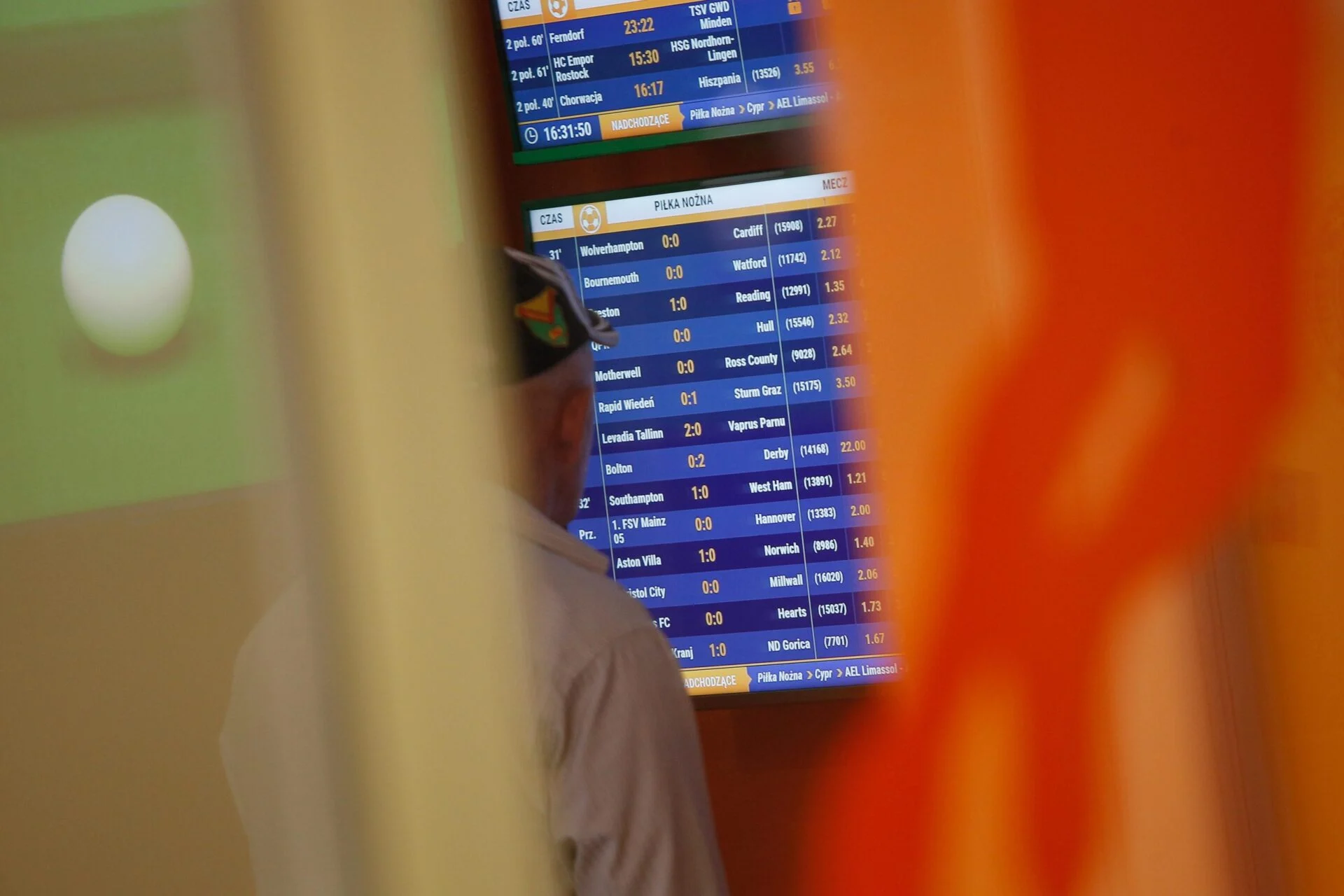
The gambling landscape in Europe has faced growing concerns regarding tax increases, with the UK and the Netherlands serving as cautionary examples of how quickly market dynamics can shift. Among the countries grappling with a burdensome tax system is Poland, which has endured one of the most stringent regimes on the continent for the past 17 years.
This heavy tax burden has become a defining factor in a market that, despite its challenges, is recognized for its excitement and potential. Operators find themselves caught in a paradox; while current conditions are difficult, the long-term opportunities in one of Europe’s fastest-growing economies cannot be overlooked.
Poland's gambling regulation is notably complex, an outcome of shifting political pressures and operational demands. The country's gambling laws were enacted in 2009, following a major political scandal that tarnished the public's view of the industry. The ‘Blackjack-gate’ scandal resulted in several resignations from Prime Minister Donald Tusk's administration, stemming from leaked recordings of corrupt interactions with gambling lobbyists aiming to avoid tax hikes.
The 2009 Gambling Act imposed a steep 12% turnover tax on sports betting for private companies, along with a staggering 50% tax on gross gaming revenue (GGR) for casinos. Moreover, players themselves bear a 10% tax on their winnings, deducted directly by operators. While land-based casinos operate under licenses, significant reforms in 2017 gave the state-owned Totalizator Sportowy a monopoly over online casino games and land-based slot machines outside of casinos. Private operators can run online sports betting, with regulations allowing authorities to block payment services for sites operating illegally, although the effectiveness of this enforcement remains debated.
Comments from industry leaders reveal deep frustrations over the tax structure. Myke Foster, group head of gaming at Fortuna Entertainment Group, argues that the turnover tax is "aggressively anti-customer and always will be." He highlights that high taxes hinder operators from providing an engaging experience, ultimately affecting customer enjoyment and participation in the market.
Foster expresses concern that while players notice their winnings are taxed at 10%, they may not fully grasp how the turnover tax limits the product offerings available to them. As operators adjust to sustain higher margins to compensate for the turnover tax, competitiveness declines significantly. Supporting this view, H2 Gambling Capital data indicates that Poland’s sports betting GGR could reach €1.62 billion in 2026, with a gross turnover of €5.07 billion. The projected margin of about 32% considers the necessary compensation for taxation, significantly higher than industry standards elsewhere.
Ed Birkin, managing director at H2 Gambling Capital, notes the constricting nature of the tax, explaining that it inflates margins and decreases competitiveness against illegal operators. Hermann Miller, secretary general of the European Casino Association, asserts it is nearly impossible to navigate the tax landscape without compromising online consumer experiences due to these onerous taxes.
In a 2021 opinion piece, economist and former finance minister Konrad Raczkowski suggested replacing the turnover tax with a GGR-based tax ranging from 20% to 25%, which could bring Poland closer to the European average. However, adjusting to a GGR rate would likely reduce tax revenue significantly, by nearly half based on projections for 2026.
Birkin agrees that while any shift might reduce immediate tax revenue, it could stimulate market growth by making offerings more appealing and competitive, possibly boosting tax income long-term through increased participation in the legal market. Despite these arguments, Poland’s gambling sector continues to expand, with total GGR projected to hit $4.96 billion by 2026, following years of substantial growth. Policymakers argue this growth negates the need for reform, particularly as many neighboring liberalized markets struggle with channelization.
Data shows approximately 83% of Polish players have accounts with unregulated online casinos. Although online sports betting channelization is estimated at about 78-88%, online casino channelization is notably lower at around 59%. The unregulated market has doubled in size since 2017, signaling considerable tax revenue potential if the state could effectively manage this sector.
Totalizator Sportowy's influence on the Polish market remains significant. The state monopoly has deep roots in Poland's gambling history, founded in 1955 primarily to revitalize the country's sports system following World War II. Totalizator currently contributes about $1.29 billion annually to the state. Radosław Kietliński, a board advisor at Totalizator, has indicated that the chances of liberalization in the casino market are slim given the prevalence of unregulated operators globally.
While public sentiment appears supportive of maintaining the state monopoly, with a 2025 study showing 50% of Poles in favor, the market itself is pressing for change. Foster from Fortuna emphasizes that the presence of a state monopoly is contributing to customer migration towards unregulated operators. He points out that consumers are aware of the existence of grey market options and that they prioritize access over regulatory concerns.
Political dynamics further complicate the likelihood of reforms. The upcoming 2027 parliamentary elections may serve as a pivotal moment, but neither of the two major parties – the ruling Civic Platform and the opposition Law & Justice – are perceived as particularly aligned with industry interests. The Confederation party, known for advocating against monopolies and high taxes, could offer a glimmer of hope for liberalization, but substantial change is contingent on gaining broader support.
Meanwhile, pressing concerns around the Russia-Ukraine war and other critical national issues place gambling reform low on the political agenda. In contrast, the situation in Finland, which is set to liberalize its online gaming market, may inspire a re-evaluation in Poland should it prove successful. Foster remains optimistic that such developments could sway Polish policymakers towards realizing that state monopolies are not the best means of regulating online gambling.
As the shadow of the unregulated market looms larger, calls for reform will likely intensify. Industry leaders argue for a more open regulatory environment, emphasizing the opportunity for businesses to generate tax revenue and contribute positively to the economy.

