
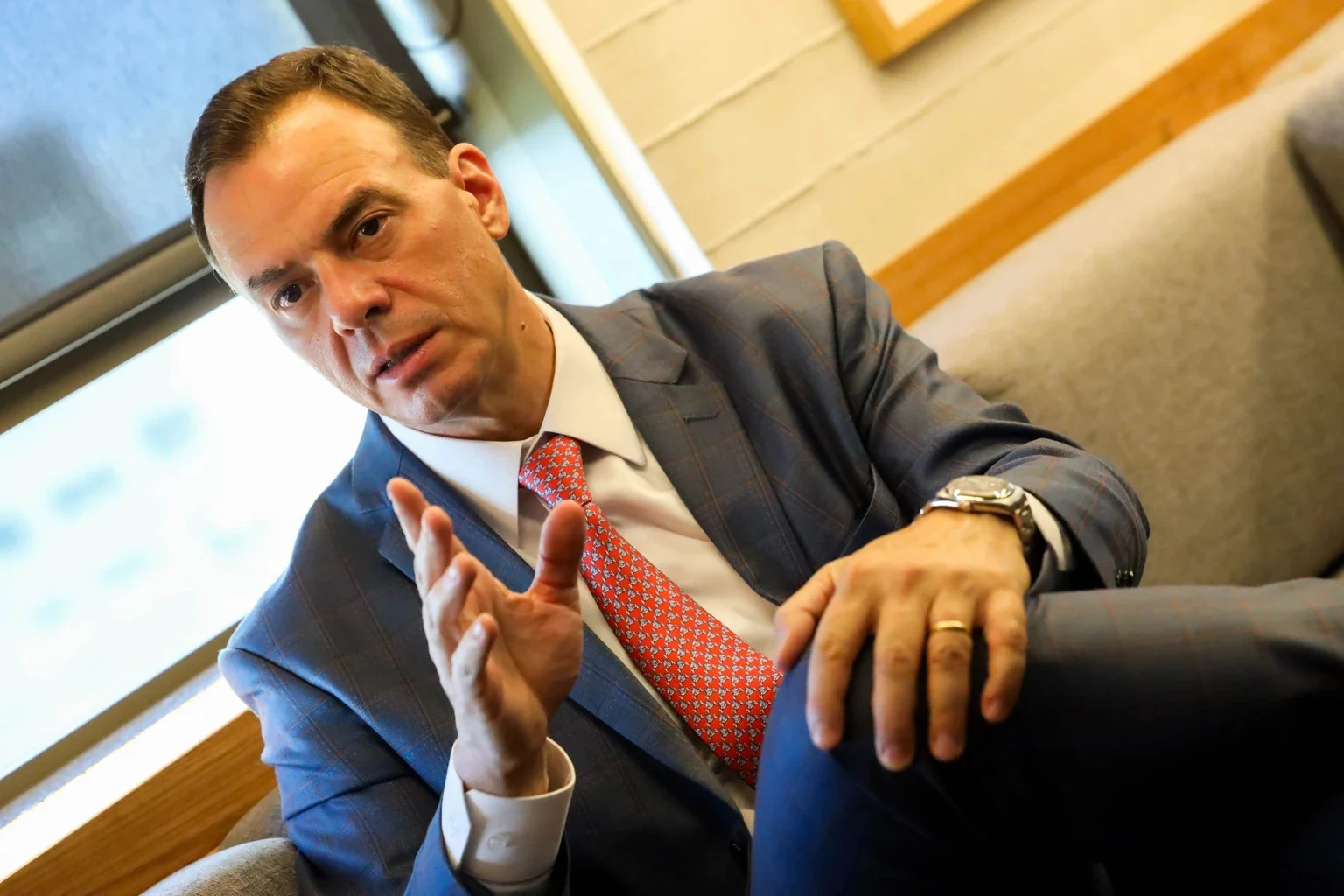
In a recent discussion, ANJL President Plínio Lemos Jorge underscored the expansion of Brazil's betting industry, pointing out a considerable rise in revenue for the first five months of this year. He stated, "We went from BRL3.1 billion ($620 million) between January and May 2025 to BRL5.89 billion this year." This increase signifies the growing economic and social relevance of the legalized betting market, with fiscal contributions benefiting society at large.
Lemos Jorge noted that the upcoming World Cup likely enhanced figures for June, which have yet to be publicly disclosed. "It was the first World Cup played with the Brazilian market already regulated. Football brought consumers closer to responsible entertainment platforms," he said.
He emphasized that licensed operators strictly adhered to regulations during the tournament, with the SPA reinforcing criteria related to integrity, advertising, and communication prior to the event. According to Lemos Jorge, maintaining this integrity is essential for the sector's sustainability.
During the conversation, he also highlighted various fan engagement initiatives at bars and restaurants that helped digital brands create meaningful experiences beyond their online presence.
As for regulatory changes, Lemos Jorge welcomed new federal advertising rules, seeing them as safeguards for both bettors and operators. However, he criticized municipal advertising bans, arguing that such local laws could lead to confusion and uncertainty for betting operators, as commercial advertising is solely under federal jurisdiction. He remarked, "Divergent local rules could create legislative confusion and legal uncertainty for operators."
Political pressure on betting companies is anticipated to increase as elections approach, and Lemos Jorge emphasized the industry's need to remain resilient and devoted to responsible gaming. He stated, "Once this turbulent period passes, we believe the market will likely face less criticism."
Illegal online betting sites continue to pose a significant challenge, potentially growing if regulatory measures threaten the stability of the formal market. "We cannot let our guard down," Lemos Jorge warned. He expressed optimism that the government recognizes the need to tackle illegal betting.
In terms of industry performance, Lemos Jorge remarked that while the Federal Revenue Service has not yet published mid-year figures, the first five months reflected a substantial revenue increase.
Speculation about World Cup impacts on fixed-odds betting revenue is ongoing, with Lemos Jorge asserting that while the official figures for June are still pending, the event undoubtedly influenced the market positively, given Brazil's passion for soccer.
He confirmed that operators follow stringent regulatory standards mandated by the Ministry of Finance, including adherence to Law No. 14.790/2023 and directives from the SPA.
Reflecting on the practices during the World Cup, Lemos Jorge cited successful physical engagement initiatives by betting firms, underscoring the importance of effective communication practices to enhance consumer experiences.
Regarding criticisms of advertising, he maintained that the industry has faced scrutiny since the regulation commenced, primarily from sectors perceiving betting as a competitive threat. Lemos Jorge asserted that any deviations from established advertising protocols would be scrutinized by regulatory bodies such as Conar and Senacon.
Looking ahead, he expressed confidence in the new advertising regulations as a protective measure for the betting market. However, he denounced recent municipal advertising bans, asserting they conflict with federal law and could create chaos. He stated, "It is inconceivable for different advertising rules to be established across 26 states and the Federal District."
On the need for the industry to unify for self-regulation, Lemos Jorge highlighted that existing frameworks, developed collaboratively by industries and regulation councils, were comprehensive and clear. He argued that the marketing approach has been brought under scrutiny unfairly compared to others, noting that these efforts strengthen both consumers and businesses.
With elections coming up, he reflected on the political landscape painting betting companies as scapegoats and expressed concern for the sector. "The industry must remain resilient and reinforce its commitment to responsible gaming. We believe the market will face less criticism once this turbulent period has passed," he said.
Illegal websites still account for nearly half of Brazil’s online betting market, and Lemos Jorge warned they could proliferate if regulations threaten the market’s viability. He acknowledged positive trends in reducing illegal sites, but stressed the need for continued vigilance, stating, "The fight must continue. We are pleased that the government has recognized the need to combat this issue."

