
In a recent report, Sweden’s gambling regulatory authority, Spelinspektionen, highlighted the significant role of influencers in promoting unlicensed online gambling services to consumers. This trend is notably prevalent in platforms frequented by younger audiences, raising serious concerns regarding consumer protection and regulatory enforcement.
The report, published online on Monday, details the various marketing strategies and platforms used by unlicensed gambling operators. Among these are livestreaming platforms, affiliate networks, sponsorships, and social media.
Spelinspektionen identified affiliate marketing networks and ‘link farms’ as key channels through which influencers direct traffic to illegal online casinos. Many of these affiliate websites are temporary, catering to thousands of users in Sweden before they disappear and reemerge under new domain names. Some affiliates strategically use Swedish (.se) domains while redirecting users to English-speaking gambling sites, thereby masking their true locations and targeting Swedish players.
Influencers have also utilized livestreaming platforms like Twitch and Kick to promote unlicensed operators, often sharing affiliate links and promotional codes. These platforms feature tools such as leaderboards and giveaways to enhance engagement. Although platforms like Twitch have banned several unlicensed sites, Kick has become a new alternative for those previously banned from Twitch. The recent enforcement actions have limited major promotions of unlicensed gambling, though some influencers have adapted by shifting their focus to wider international audiences or different platforms.
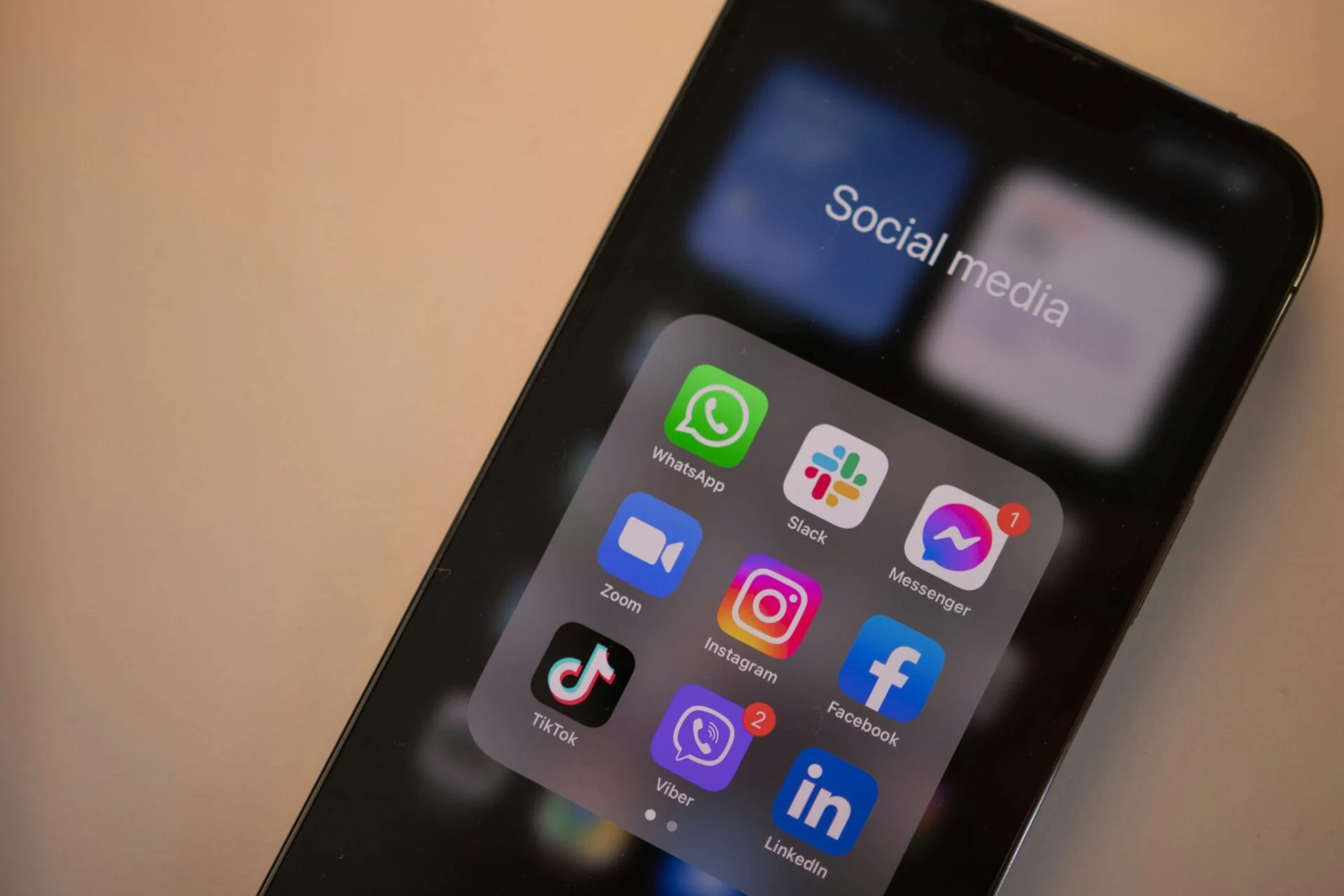
Moreover, major social media platforms like Meta, TikTok, Snapchat, and X have been exploited for distributing affiliate links and other promotional content. Influencer accounts transitioning to Swedish-language content have raised particular concerns, especially when employing deepfakes to feature Swedish public figures in misleading advertisements.
The authority noted instances where unlicensed casinos were promoted on Swedish websites, sometimes disguised behind paywalls or shown exclusively at certain times. The regulator pointed out that advancements in programmatic advertising and AI tools enable these advertisers to bypass restrictions and obscure their intentions.
Reports of SMS campaigns promoting unlicensed gambling have frequently surfaced, particularly those targeting individuals who have self-excluded within the Spelpaus system, often sending repeated messages. New regulations set to be implemented on August 1 will tighten technical requirements, including marketing-related checks, stricter verification processes, and unique IDs for license holders. Additionally, the Spelpaus register has been updated for easier access to gambling-related guidance and now allows players to extend their self-exclusion periods.
Encrypted messaging platforms like Telegram have also been identified as channels for the dissemination of affiliate links and organized giveaways. Esports is highlighted as a prominent area where skin-betting and cryptocurrency casino sponsors target younger audiences, with a noticeable increase in Swedish visits to skin-betting sites following major tournament sponsorships.
Spelinspektionen has opened several cases related to influencer promotions since 2025, with reports indicating that problematic promotions ceased following enforcement actions. Influencers are a priority concern due to their reach among youth. The upcoming EU Digital Fairness Act (DFA), expected to be enacted later this year, may introduce stricter rules on targeted advertising, impacting how gambling marketing is conducted, especially with influencers.
Under Sweden’s Gambling Act, any promotion of gambling without a proper license is classified as an offense. The report also highlighted a notable criminal conviction from March 2026, where an influencer received a 22-month prison sentence for economic crimes linked to the promotion of unlicensed gambling, marking a significant precedent in Sweden’s approach towards online gambling advertising.
The discussion around influencers and black market gambling advertisements continues to gather attention in Europe. Earlier this year, a coalition of UK MPs and peers called on the government to reform gambling advertising, particularly imposing restrictions on influencer promotions.

