
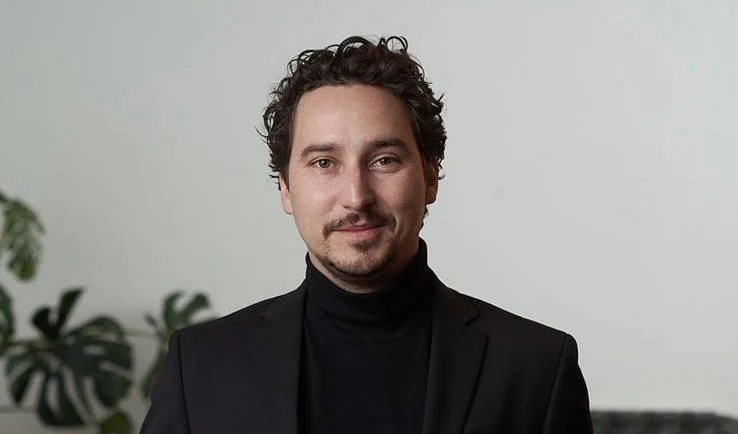
Niklas Sattler, a former executive at Casinos Austria, has spent the last five years preparing a bid aimed at shaking up Austria's stagnant land-based casino industry. Through his venture, Alea Trust, he is assembling a team of distinguished casino leaders and specialists to challenge the longstanding dominance of his former employer in the upcoming tender for land-based casino licenses.
Sattler expressed his desire to revitalize the industry's outdated image. "This old-school image of the industry – I don’t like that," he stated. "So I said, let’s refresh the industry and let’s jump inside the tender. Let’s do it ourselves."
Since 2021, he has recruited over 40 ex-managers from Casinos Austria and various international casino firms for this undertaking, laying the foundation for a bid that aims to revolutionize the land-based gaming sector.
"Casinos Austria has a track record as a company, but they’ve lost a lot of expertise over the years,” Sattler noted. “Our idea was to find the top experts in AML, responsible gambling, finance and casino operations and build a team that could compete at the very highest level."
As Austria gears up for its first significant casino tender in years, Sattler believes there may be an opportunity for a more progressive image in the aging industry. However, whether he will proceed with his bid hinges on how the proposed 13 casino licenses will be offered. He questions if the market will genuinely allow new entrants or if Casinos Austria will be given undue advantage.
Casinos Austria, which has dominated the market for decades, currently operates under two sets of 15-year licenses: one for urban centers and another for tourist areas. A draft bill released in June by Austria’s coalition government proposed significant gambling reforms, including the opening of the online gaming market which ends the current monopoly.
Within this context, the government also quietly announced plans for 13 casino licenses instead of the 12 currently in operation. These new licenses may be divided into “objectively justified” packages.
The Finance Ministry indicated that decisions regarding locations would be based on an objective study, considering factors such as population, tourism potential, and the socioeconomic demographics of casino catchment areas. Additionally, any packages would aim to balance commercial viability and player protection.
Sattler believes that single licenses should be the approach, arguing, "Our idea is: let’s make 13 single licenses. That means you could apply for just one." However, he pointed out Casinos Austria's preference for maintaining the current package system. He predicts a scenario where instead of two packages of six, one package of six and one of seven could be tendered, potentially favoring larger operators and shutting out smaller entrants.
In response, Casinos Austria maintains that packages are essential for ensuring comprehensive casino coverage while considering economic and tourism factors. Patrick Minar, a spokesperson for the operator, argued that fewer packages would mitigate competitive pressures that could lead to aggressive marketing and excessive gambling.
The pathway the government will choose for the upcoming tender remains uncertain. The mention of packages in the draft legislation suggests a leaning towards structured licensing. Nicole Daniel, a litigation partner at DLA Piper Austria, commented on this, stating the new clause provides a stronger legal framework but warns that it might still favor incumbents due to the interpretation of criteria like geographical diversity.
Arthur Stadler, a gaming lawyer in Vienna, stressed the importance of a fair and diligent tender process. He cautioned against potential pitfalls stemming from how licenses are packaged and stated that lack of clarity surrounding the objective criteria could lead to future legal disputes.
Drawing from past experiences, Stadler highlighted problematic tender processes that resulted in annulment due to lack of transparency and fairness when awarding licenses. With a limited number of packages, he anticipates possible legal challenges arising as the new process unfolds.
The draft legislation includes provisions that extend the expiry of current urban casino licenses to the end of 2028, with potential further extensions that could postpone the necessity for a completely new tender process. Daniel remarked that the one-year extension seems defensible, unlike the possibility of an indefinite delay, which could extend operations of current incumbents until 2030.
Sattler, who has deep roots in the casino business, expressed his view that the land-based gaming sector in Austria needs renewal. He emphasized the importance of casinos reflecting society’s evolving values. "Our vision is much more about giving something back to players and to the community," he elaborated.
He believes that a competitive market can lead to better standards, opposing Casinos Austria’s position that less competition might sustain higher operation standards. He advocates for the inclusion of a new wave of operators in the tendering process, lamenting, "It will stay like this for the next 15 years; why shouldn’t young people have a chance as well?"
As the new gambling reform bill makes its way methodically through the political framework—having finished consultations by July 15—there's a possibility the legislation could pass by year-end, opening the concession process in early 2027. Yet, significant details about evaluating tender criteria remain unclear, an issue Daniel believes will be pivotal in determining the fairness of the process.

