
Gambling operators face an ongoing dilemma when deciding whether to build or purchase their own casino platforms, and their perspectives can shift as their businesses evolve. Start-ups often turn to third-party vendors for initial support, but established operators with significant resources may consider developing their own technology. This consideration fluctuates with changing business needs and personnel over time.
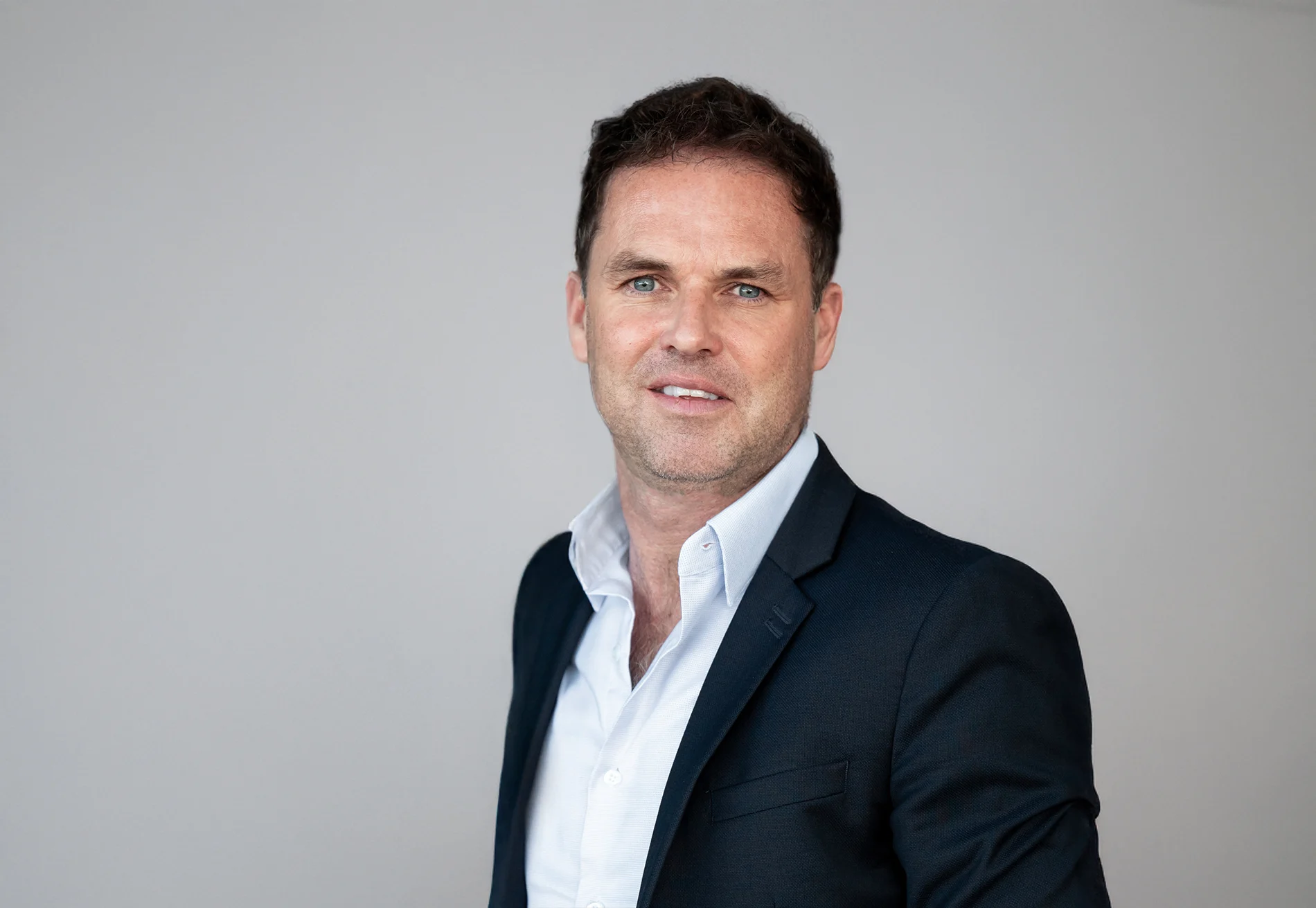
Steven Valentine, chief commercial officer at Comtrade Gaming, highlights the cyclical nature of this decision-making process within operators. "Services rendered by a third-party vendor can sometimes lead operators to feel constrained or dissatisfied, prompting them to think about in-house development," he explains.
"Over the years, as expertise within the company ebbs and the technology ages, operators may eventually choose to go to market for a new solution. This pattern often takes approximately eight to 15 years to unfold, recurring in numerous organizations."
Scale is a pivotal factor in the decision. Comtrade, which is based in Ljubljana, Slovenia, has provided IT solutions since launching its first gaming software project in 2001. Valentine believes that an operator generating less than £250 million in gross gaming revenue (GGR) annually is less likely to consider building a platform, but once they exceed this threshold, the option becomes feasible if they are committed long-term. "Operators of that size and scale may find it viable to develop their technology," he notes.
However, Valentine cautions that many operators harbor unrealistic expectations regarding the costs and time frames associated with creating an in-house platform. He emphasizes that operating expenses, such as maintaining 24/7 technical support, must be anticipated from the outset.
"The anticipated budgets and timelines are often overly optimistic. Building an iGaming platform is akin to creating a comprehensive enterprise-level software solution, not just a small software project. The ongoing investment required for development and maintenance remains consistent year after year. The same team needed for launch is also necessary for upkeep and further enhancements."
He stresses the challenge of transitioning to a tech-centric organization. Many operators may focus on immediate business needs without considering long-term technological requirements. "Are you prepared to effectively become a tech company?" he asks. "The mindset shift can be daunting. Large operators typically prioritize pressing business demands, often neglecting to plan for future technological needs. This necessitates a more thoughtful long-term approach."
Few businesses achieve a successful transition. Many larger entities maintain a hybrid strategy—developing proprietary solutions in certain areas while utilizing third-party platforms for new markets. According to Valentine, this dual approach can enable operators to manage compliance more effectively.
"Using a third-party vendor can help operators minimize the risk when entering new markets, as these vendors often possess local expertise. Yet, the selection of the right provider is crucial. Conducting due diligence by consulting existing clients can provide valuable insights into a vendor's reliability," he asserts.
Operators must balance cost considerations when selecting a vendor. A poor choice may inhibit business execution, according to Valentine. "The consequences of being hindered by a vendor's limitations can be significant," he warns.
Generally, vendors cover a significant portion of initial migration and setup costs, minimizing upfront expenses for operators. "Typically, these costs are low, yet they understate the price vendors incur to onboard new clients effectively. In fact, the costs of building and maintaining a platform can exceed five times what a software vendor would charge."
He cites an established operator whose platform investment averages around £60 million annually, pointing out that they would likely pay a vendor less than 20% of that amount through revenue-share agreements.
Despite the substantial costs associated with building tech from scratch, proprietary solutions can yield competitive advantages. Valentine points to bet365 as an exemplary case of a company that took control of its technology, enabling it to innovate and establish an early market presence. "Having full control allows for quick responses to market changes, contrasting with scenarios where dependency on a vendor can restrict strategic flexibility."
As for vendors, they can manage casino platform operating costs through economies of scale. Valentine notes, however, that several competitors are currently incurring significant losses. Comtrade, on the other hand, has maintained profitability by selectively onboarding clients. "Our focus has always been on sustainable growth and mutual benefits with our partners, rather than hunting for a quick exit. This shift is reflected in the current market dynamics."
For operators weighing the decision to build or buy a casino platform, achieving the right balance is essential. While building may provide control, unrealistic expectations can lead to unsustainable costs.

