
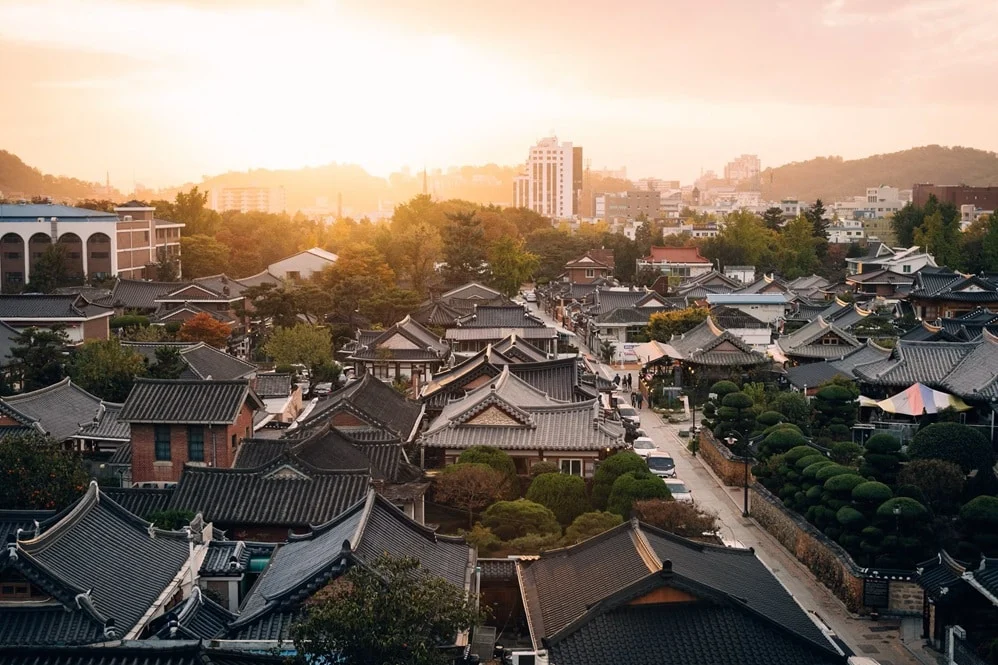
Community and business leaders in North Jeolla Province, South Korea, are at odds over the proposal to build an integrated resort that includes a casino. This initiative is spearheaded by North Jeolla Governor Lee Won-taek, who was elected in June and is advocating for legislation that would allow the casino to welcome domestic passport-holders.
Currently, the only casino in South Korea that permits entry for locals is the state-run High1 Resort, located in Gangwon Province. In support of the casino project announced on July 13, local business owners have expressed their approval. Jeon An-gyun, a senior executive at the Jeonbuk Federation of Small Business Owners, told KBS that local authorities allocate about 30% of the revenue generated at High1, approximately 300 billion won (around $207 million), for regional development.
Despite a surge in visitors to South Korean casinos, many lucrative establishments are restricted to foreign passport holders and are often situated in major tourist areas, including Seoul, Incheon, and Jeju Island.
The proposal advocates introducing a strict entry policy modeled after Singapore, where local gamblers are required to pay a daily levy of about $115. Such measures could include prohibiting access to individuals under 21 and those currently facing bankruptcy-related legal issues. This strategy aims to mitigate any negative consequences of opening a casino in North Jeolla.
Plans for the casino complex involve developing it in Saemangeum, a reclaimed area that used to be a 400-square-kilometer wetland along the Yellow Sea coast.
North Jeolla’s economy has faced decline for decades, particularly as its agricultural and heavy industry sectors have diminished. With a population decrease of approximately 10,000 residents annually and a fiscal self-reliance rate significantly below the national average, local politicians are eager for economic revitalization, lamenting that only three of South Korea's top companies have headquarters in the region.
Governor Lee has suggested that the casino will stimulate nearby tourism-related businesses and attract investment, with several firms reportedly interested in contributing to the project. However, opponents warn that the casino could lead to increased gambling addiction and financial distress. An anti-gambling advocate in North Jeolla highlighted the difficulties ordinary individuals face in recovering from gambling-related losses, contrasting their situation with that of wealthier individuals who can afford to view gambling as entertainment.
Choi Young-gi, a Professor in the Department of Tourism Management at Jeonju University, criticized the province's focus on casinos while other regions negotiate with technology firms for development. Other scholars have also pointed to potential regulatory obstacles facing Lee’s initiative. Professor Hong Seok-bin from Woosuk University’s College of Liberal Arts questioned whether special legislation favoring North Jeolla would raise fairness concerns since similar allowances were not made for other regions.
While questions linger about the profitability of High1 amid fierce competition from Jeju and other casinos producing record sales, analysts have noted a possible increase in gaming contributions following new government policies. Despite short-term uncertainties, they maintain optimism regarding future growth in visitor numbers and gambling revenues.

