
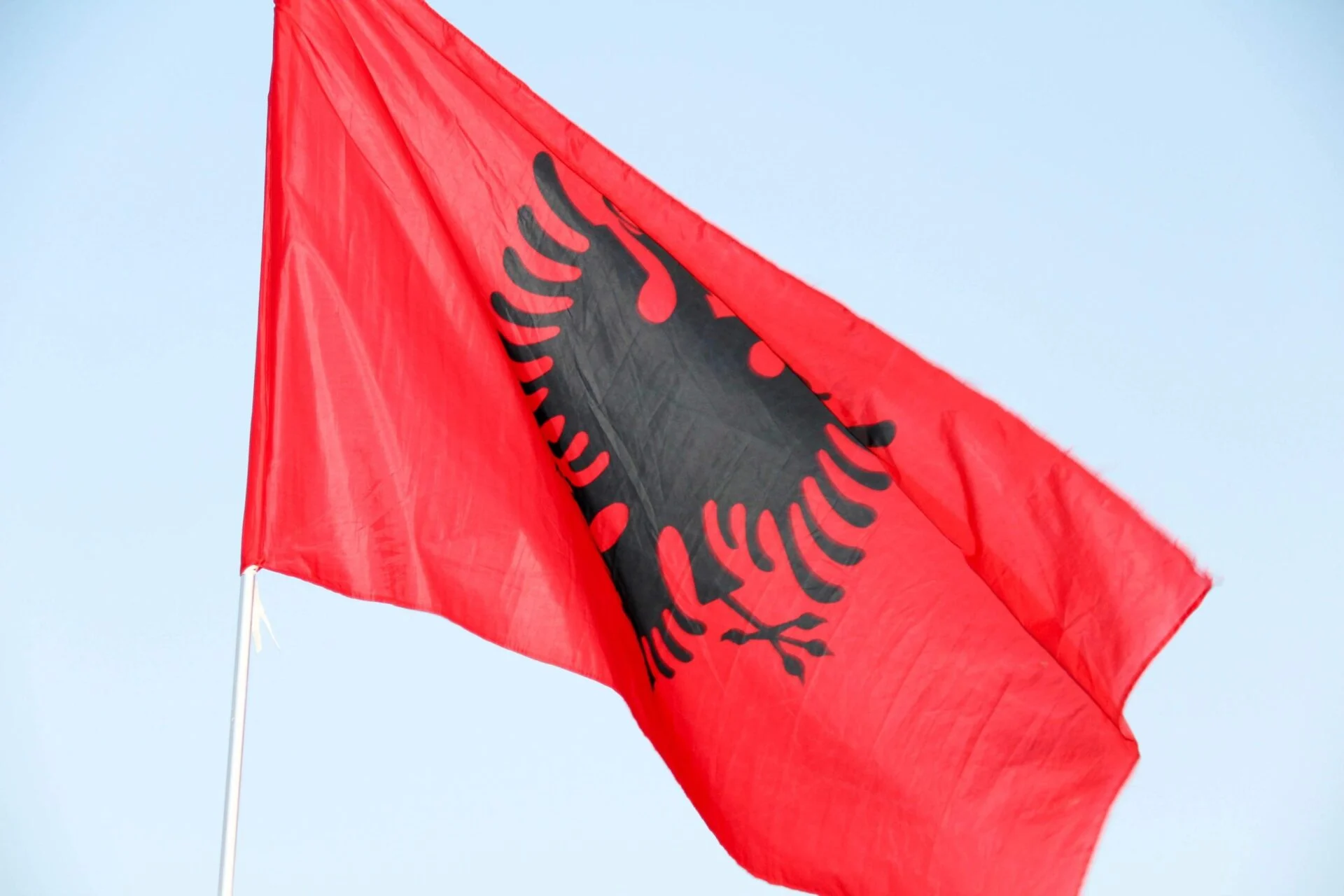
Albania has spent the last seven years under a blanket ban on sports betting, with regulations kicking in as far back as 2019 that outlawed betting halls, slots, and all forms of online gambling. Despite this, the unregulated sports betting gross gaming revenue (GGR) reached an estimated $126 million last year, raising interest among international betting operators who see potential in the newly invigorated landscape.
In July, the Albanian government announced the completion of a new framework aimed at partially reopening its sports betting market. Following the licensing process set to unfold soon, as many as 10 online operators will be authorized to accept wagers from Albanian customers.
This decision marks a significant shift in policy. In 2022, Prime Minister Edi Rama acknowledged the ban had not curbed sports betting; rather, it had fostered a thriving underground market. He noted, "We are talking about taking this activity out of the black economy and bringing the profits into the light, because nobody can block it – not even China."
The process to navigate this new direction has been lengthy. Although legislation was passed in 2024 to allow for the reopening, it has taken over two years to finalize the framework guiding the new regime. Key questions remain: when will the first licensing round open, how many licenses will be granted, and will the prolonged ban have dampened interest in betting among the population?
Albania's original sports betting ban was motivated by concerns over addiction and the proliferation of gambling facilities. In 2018, when the ban was enacted, the sports betting market was generating around €700 million in annual turnover, with approximately 4,000 betting shops servicing over 2.8 million residents.
"There were a lot of betting offices in Albania – everywhere, near schools and in local neighbourhoods," said Hendri Hanaj, founder of Hashtag Lawyers. However, the rapid expansion of betting raised alarms among policymakers about its consequences for public health and economic welfare. Rama stated during a parliamentary session in October 2018, "We are waging a frontal war with the evil entrenched deeply in our society over the years."
Despite the ban's intentions, betting did not disappear; it shifted to unregulated channels. Gambling Compliance International (GCI) estimates that Albania's underground online sports betting market generated $117 million in GGR in 2024, increasing to $126 million in 2025, with total GGR from all unregulated online gambling reaching approximately $229 million last year.
Looking ahead, Prime Minister Rama has emphasized a return to a "controlled" betting environment. The new laws will strictly limit operations to online betting only, while banning physical betting shops and slot halls. Casinos will remain strictly confined to select five-star hotel premises.
Licensing will be tightly controlled under the new regulations, potentially allowing for only 10 operators, with the final number determined during the application process by the Licensing Commission. The government anticipates that the regulated market could generate around ALL2 billion (€20 million) in annual public revenue, channeling 15% of GGR into a dedicated fund for culture, sports, technology, and innovation.
However, Hanaj has expressed concern that the prolonged ban may have dampened enthusiasm for betting. He remarked, "There is an appetite for sports, but it has faded over time. People will bet, but I don’t think it will be as massive as before."
The framework will require players to register online using a national ID, with cash betting prohibited. All transactions must be processed via Albanian banks or licensed payment providers. Operators will also need to track player data and maintain records for a minimum of three years, enforce self-exclusion, and guide players about gambling risks. Currently, there are no dedicated gambling counseling resources in Albania.
These operators will face a range of requirements to attain a license, including company registration in Albania, experience in at least three EU or OECD markets, an annual turnover of at least ALL2 billion (€20 million), and a minimum share capital of ALL40 million (€400,000). A points-based system will determine the award of licenses, with points allocated based on factors such as license fee offers and operational experience.
Given the high barriers for local companies, the licensing process appears designed to favor established international operators. Hanaj noted that, "There are a lot of conditions to get the licence and no Albanian company, at least, would be able to meet them."
The timeline for implementation remains uncertain. Though the Gambling Supervision Authority announced the completion of all regulations in July 2026, details on the commencement of the licensing rounds are still pending. As Albania aims for EU accession by 2030, licenses may become available within the next couple of years.
While the country’s former fervor for betting may have waned, Hanaj believes the attractive market conditions, including low startup costs and manageable license fees, will draw large international operators back to Albania. Despite the drop in population and ongoing economic challenges, Albania has a history of exceeding expectations in various sectors, including gambling.
"There are around 12 banks in Albania, and I don’t think the market supports that," Hanaj noted. "But they are still here and still working."

