
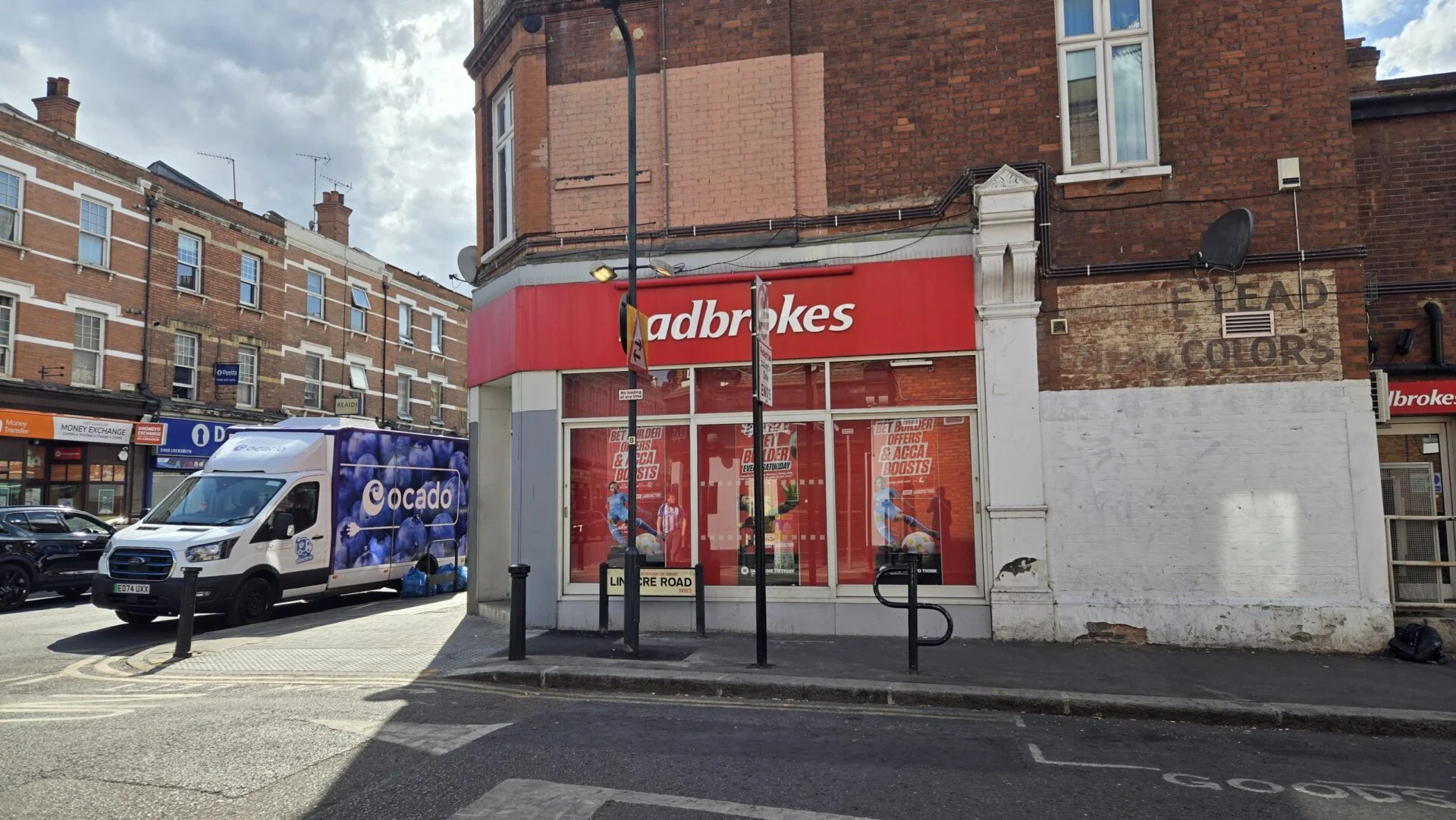
The streets of Brent, a borough in north-west London, are filled with betting shops and slot arcades, making it a unique example amidst London’s high streets. Brent ranks second in the capital for the number of gambling premises, prompting local politicians to initiate campaigns against the growth of these establishments and to push back against perceived governmental inaction.
Politicians in Brent, including local MP Dawn Butler, have publicly condemned the rise of gambling venues due to their harmful effects on the community. They succeeded in persuading the government to abandon the controversial aim to permit policy earlier this month, following a declaration from the council of a ‘gambling harms emergency.’ In the lead-up to this decision, Brent officials presented a six-point plan at Number 10 to curb the spread of gambling in the area.
Despite these public outcries, data reveals that Brent council has not issued a betting shop license in over a decade, with the last approval dating back to 2013. Brent council has not responded to calls for clarification regarding its opposition to new betting shops despite the lack of recent licensing activity. Within council discussions, some politicians express greater concern over Adult Gaming Centres (AGCs), yet only three AGCs have opened in Brent in the past five years.
Contrary to local narratives, the overall number of gambling premises in Brent has decreased, dropping from 83 in January 2025 to 75, a decline of eight in under two years.
Brent is a microcosm of broader trends occurring across the UK. When Prime Minister Andy Burnham announced an effort to streamline licensing processes to allow councils to block new betting shops, he framed it as a necessary move against ‘dodgy businesses’ invading high streets. Nationwide, the number of betting shops has steadily fallen from 9,128 in 2012 to 5,789 in 2025, according to the Gambling Commission. Recent announcements from operators like Betfred and Evoke reflect intentions to close more locations.
The number of AGCs has also seen minimal fluctuations. Data shows a decline from 2,247 in 2012 to 1,464 in 2019, stabilizing at 1,415 in 2025. Greg Knight, CEO of JenningsBet, noted that despite the rhetoric around retail gambling, the number of new shops opened remains low, highlighting political motivations behind the scrutiny on retail betting rather than concerning evidence-based assessments. “What’s Andy Burnham gonna do next, promise to shut down all the video shops?” he quipped.
The recent political climate reflects a harsher environment for gambling businesses. Scott Longley’s analysis indicates that the current policy shifts, including the abandonment of aim to permit—an essential component of the Gambling Act—appear to be more focused on political objectives rather than necessary reforms based on evidence.
Interestingly, eight councils advocating for the scrapping of aim to permit did not conduct any inspections of gambling premises in 2025/2026, which raises questions about their commitment to monitoring gambling harms and compliance. A total of 124 of the UK’s 350 licensing bodies performed no such inspections last year.
As for the next steps following the removal of aim to permit, both Dawn Butler and Burnham have been vague, which has led experts like Louisa Clark from RulePlay to express concerns over the implications. She stressed the importance of a clear, evidence-based framework to guide future licensing decisions. “Evidence is a massive issue as well. It’s already an issue now, it’s going to become an even bigger issue,” Clark stated.
The impending implementation of Gambling Impact Assessments (GIAs) complicates the aim to permit debate further. Passed in April as part of a devolution bill, GIAs give councils the authority to block new gambling licenses based on evidence of potential harm to licensing objectives. Critics question why aim to permit was scrapped when a mechanism for informed decision-making is already being introduced.
Despite the changes and challenges, Knight reassured that JenningsBet remains committed to its acquisition-led growth strategy and believes that the challenges around establishing new stores could ultimately benefit existing operators. “The risk assessments were there, it was in the post anyway,” Knight noted.
Andrew Lyman, Gibraltar’s Gambling Commissioner, cautioned against using gambling policy as a tool to address wider societal issues, insisting the primary focus should always be on gambling risk and the regulation of gambling activities rather than reshaping the high street. He also emphasized that the government must avoid regressive policies that could push gamblers back into the illegal market.
Lester White, a former betting shop manager now advocating against gambling harms, stated that industry operators have continually failed to address necessary reforms and have contributed significantly to the current backlash against gambling. “There’s always a place in any high street for a well-run betting shop,” he noted, indicating that standards in staff training and engagement have deteriorated.
Knight remarked on the industry's changing perception, particularly as gambling has shifted towards online platforms, leading to declining community ties in retail locations. He emphasized the importance of forging strong community ties—not just focusing on betting—as a means to improve the industry's public image.
The Betting and Gaming Council aims to advocate for research-backed policies and highlight the positive impacts of the gambling sector on the UK economy. Despite facing structural challenges, Knight expressed confidence in the resilience of the UK retail sector, viewing shop closures as rational adjustments instead of indications of demise. He asserted, “My actual concern is not the economics, I think there’s enough demand there. My big concern is political.”

