
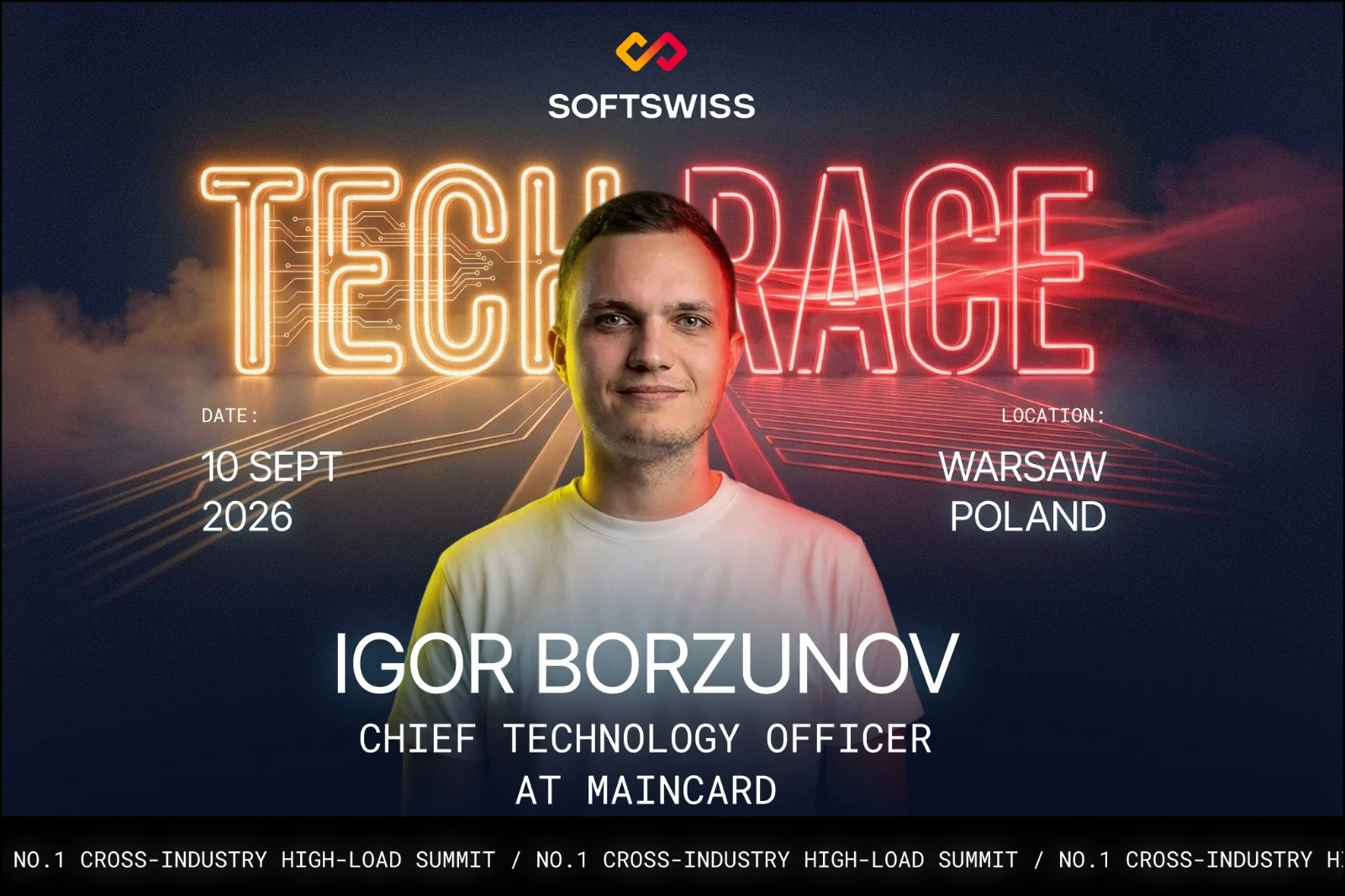
Igor Borzunov is an experienced technology professional with over a decade dedicated to developing high-load enterprise systems. He currently serves as the Chief Technology Officer (CTO) at Maincard, a no-code platform designed to enable operators to launch their own branded iGaming sites in less than 30 minutes.
At the upcoming Tech Race Summit in Warsaw on September 10, Igor is set to present a session titled “From 3am pages to 30 seconds: Building an autonomous AI ops agent.” This presentation will focus on the requirements for granting AI agents access to live production environments.
In a recent interview, Borzunov shared his insights on AI in production, operational scaling, and the nuanced understanding of AI autonomy.
**1. Current Sentiment on AI in Software Development**
Borzunov believes there’s a dual perception among engineering leaders regarding AI's potential. "Honestly, both at once," he stated. He emphasized that while people often overestimate AI's capabilities in unsupervised settings—citing issues like AI making erroneous decisions in real production environments—there's an underestimation of how quickly such systems can alter team dynamics. Just a year ago, providing AI access to production seemed reckless, but today, it plays a key role in incident triage.
**2. Lessons on Scaling Technology in iGaming**
According to Borzunov, the challenge lies in scaling operations rather than just technology. Maincard supports over 40 casino brands from a singular platform. Correlating with that, he noted that scaling operations is the more challenging aspect since every new brand increases operational complexity.
"My lesson is: invest in operations tooling as early and as seriously as you invest in features," he advised. The success of Maincard's operational team, consisting of about 20 professionals managing over 40 brands, hinges on treating operations as an engineering challenge rather than simply a cost center.
**3. Misconceptions About Operational Excellence**
Borzunov points out that many companies misinterpret metrics when aiming for operational excellence. "They optimize for the wrong number," he asserted, noting the common pursuit of zero incidents and happy dashboards. However, given the unpredictability of external provider integrations, he argues that the more relevant metric is time to diagnosis.
"When resolving a failure takes 30 seconds with the right tools instead of 25 minutes manually, you prevent a potential multi-brand crisis from escalating," he explained. He stressed that a blame-centric culture only makes matters worse, suggesting that better tooling is the key to resolving such issues.
**4. Launching vs. Operating Brands**
Borzunov, reflecting on the fast-paced nature of the iGaming industry, posits that the ease of launching new brands has shifted the competitive advantage toward how well these brands are managed post-launch.
"Operating well is much harder to copy than launching," he explained, asserting that while many can replicate a landing page, the systemic discipline required for ongoing success is far more difficult to duplicate.
**5. Trusting AI in Production**
The most significant hurdle in Maincard’s experience with AI was establishing trust among team members. Borzunov explained that while the technical integration of AI systems was relatively quick, gaining team approval took time. The operational model was intentionally structured to gradually build trust, using a tiered system that allowed human oversight at critical steps.
**6. Future Technology Shifts in Online Casinos**
Looking ahead, Borzunov predicts that AI will transition from basic support roles to becoming integral operatives within online casino infrastructures. He notes, "In three to five years, I expect the gap between operators will be defined by this capability." AI applications will likely focus on monitoring transactions and handling operational loads that currently overwhelm human workers, especially under regulatory pressures.
**7. Learning from Fintech Innovations**
Borzunov believes the iGaming industry should take cues from fintech, where similar challenges regarding real money transactions and stringent regulations exist. He highlighted the importance of turning operational reliability into an engineering discipline, a practice that can reduce reliance on large support teams.
**8. Insights for Tech Race Summit Attendees**
At the summit, Borzunov wants attendees to grasp the concept that AI autonomy is a spectrum. He advocates for a gradual rollout of AI capabilities—allowing initial read-only roles to build trust before granting more complex permissions.
If his audience leaves with the mindset of determining how to tier AI access rather than wondering about granting it at all, he considers his session successful.

