
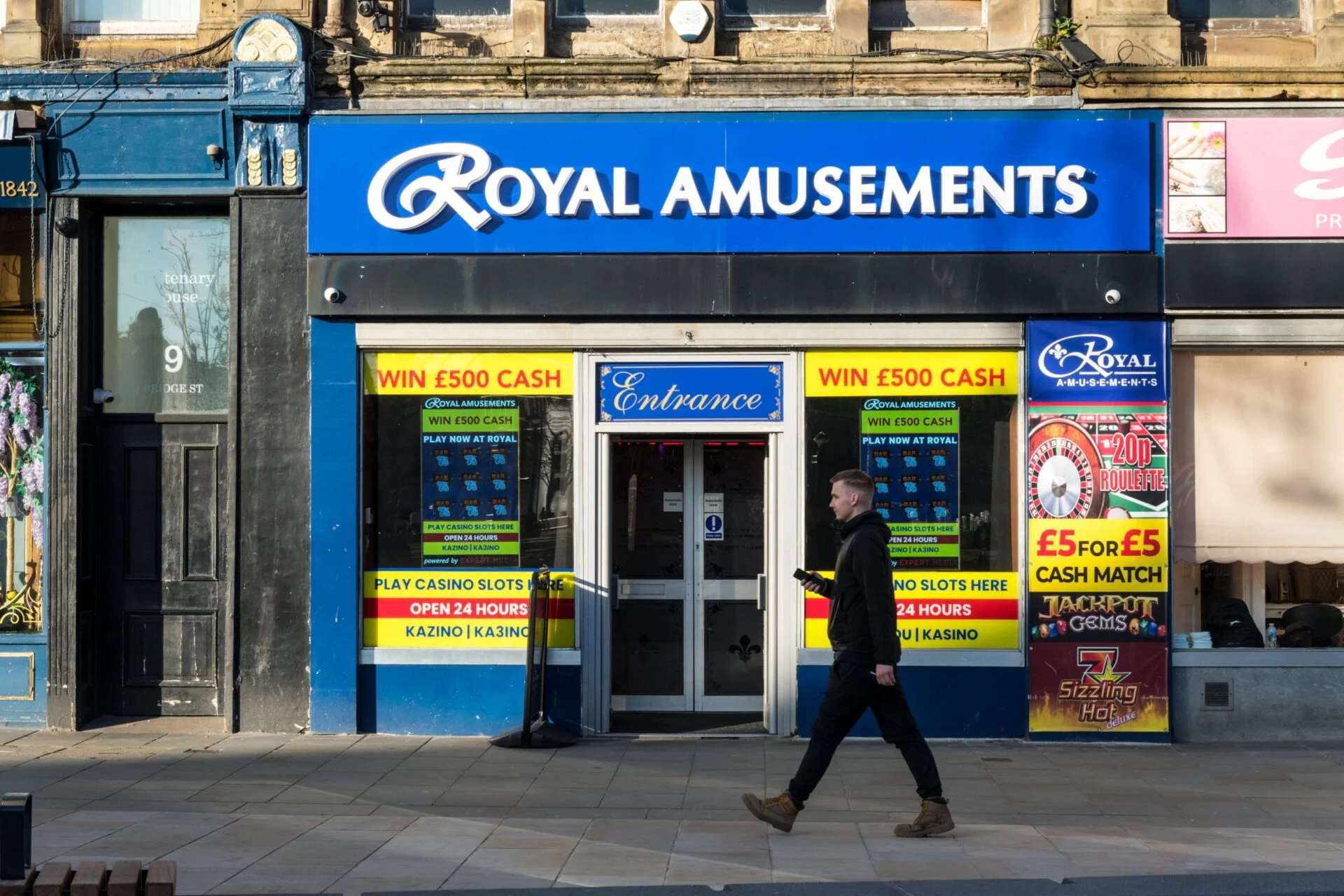
Holland Park Leisure Limited, the company managing three adult gaming centres in Leicester, has received a £150,000 ($202,888) fine from the Gambling Commission for not adhering to a mandatory multi-operator self-exclusion scheme. On Tuesday, the Commission determined that the operator had violated Social Responsibility Code Provision 3.5.6, which is designed to allow gamblers to prohibit themselves from multiple local gambling venues.
In addition to the fine, the Gambling Commission mandated that Holland Park Leisure arrange for an independent third-party audit. This audit will evaluate the company’s policies, procedures, controls, and training regarding self-exclusion and responsible gambling practices.
John Pierce, the Gambling Commission’s director of enforcement and intelligence, underlined the importance of such self-exclusion initiatives for individuals who may be experiencing gambling-related issues. "It is important that all operators fully integrate with the scheme and maintain effective safeguards for self-excluded customers," he stated. He also pointed out that operators must actively participate in a recognized multi-operator self-exclusion scheme, emphasizing that these requirements are essential components of their licenses and vital for consumer protection.
Holland Park Leisure had previously been alerted to its lack of compliance but did not resolve the issues at that time. During the regulator’s inquiries, the company also provided misleading information. Although Holland Park made some efforts towards compliance once the license review began, these actions were viewed as significant aggravating factors when determining the fine.
Further scrutiny of adult gaming centres is underway. Last week, Prime Minister Andy Burnham announced a series of reforms that would require these centres to obtain planning permission during their establishment. The reforms would also abolish the "aim to permit" rule, which currently applies to betting shops and all-night slot machine arcades nationwide.
Burnham described adult gaming centres and betting shops as "dodgy businesses". Experts have cautioned that implementing such reforms may demand new legislation to amend the Gambling Act of 2005. Andrew Lyman, Gibraltar’s Gambling Commissioner and a former UK Gambling Commission director, noted that altering any fundamental principle of the act would necessitate changes through primary legislation.

