
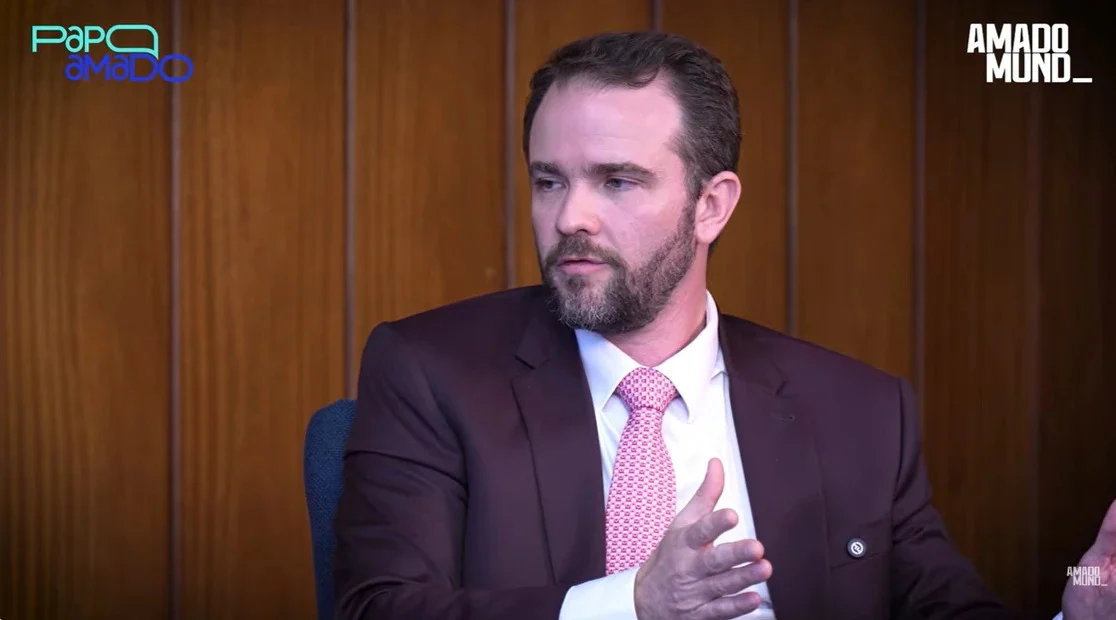
Dario Durigan, Brazil's Finance Minister, emphasized that the nation's financial health does not rely on revenue generated from betting taxes. He explained that the regulatory framework for the sector is well-established, with no intention of solely generating revenue from this area. "Tax collection is part of the economic game and all sectors contribute," Durigan stated, adding that the same principle applies to the betting sector.
In an interview published in Guilherme Amado's column on Amado Mundo, Durigan commented that the Brazilian government, under President Luiz Inácio Lula da Silva, had adhered to the legal framework set for sports betting. "The legislation mandated the regulation of the sector, which did not occur in the last administration," he noted. He pointed out that by the time they assumed office, the betting sector had been operational for nearly five years, involving itself in football and advertising, gaining both political and economic influence. Recognizing that Congress was unlikely to ban the activity, the new administration opted to establish regulations instead.
"It’s not that I want to collect taxes because I need the money. I want to collect taxes for the sake of fairness: if a company sells cars, it pays taxes; if it sells drinks, it pays taxes. If it’s authorized to operate, it has to pay," Durigan explained.
During the interview, he touched upon tax reforms proposed by the Ministry of Finance and mentioned the recent decision to bar beneficiaries of social welfare programs from participating in gambling activities.
Durigan also reflected on Lula's expressed concerns regarding the impact of gambling on the quality of life for Brazilian citizens. "We have been having this debate," he stated. "I have been to Congress, the Supreme Federal Court, and the Attorney General’s office to discuss the consequences of betting on Brazilians' lives.
He acknowledged that some progress had been made, such as increasing the direct tax rate on betting to 15% and incorporating the activity into the Selective Tax. Additionally, those benefiting from social assistance, as well as participants in the Desenrola program, were prohibited from gambling.
The minister highlighted a self-exclusion mechanism the government has adopted, reiterating, "The debate about prohibition will remain open in the country for the next few years. It will involve institutional discussions among the Supreme Court, Congress, and the executive branch." While Durigan did not imply any immediate intention to prohibit gambling, the ongoing conversation will significantly shape its future in Brazil.

