
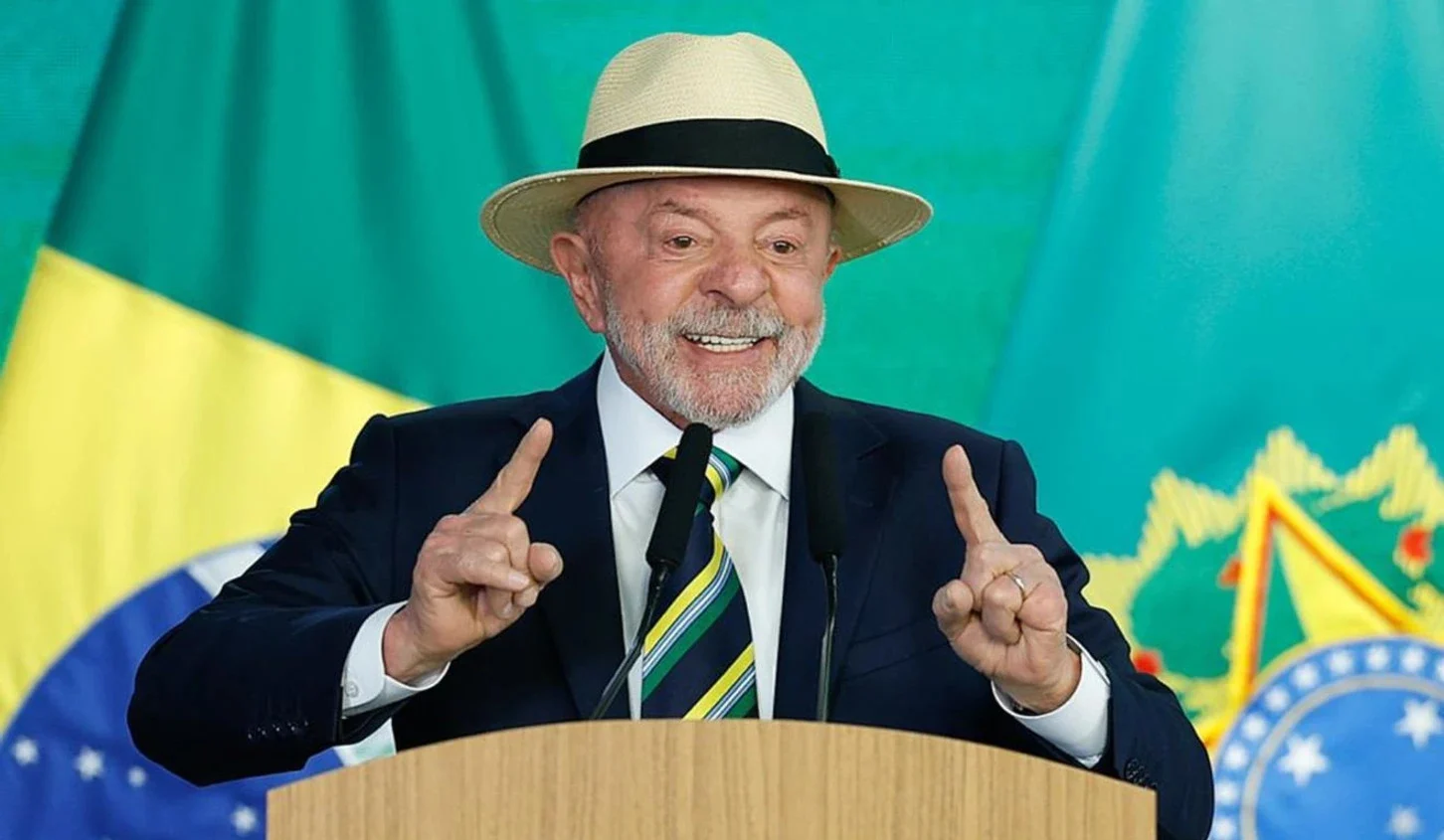
The Superior Electoral Court (TSE) of Brazil has confirmed that Luiz Inácio Lula da Silva has been re-elected as president, securing nearly 52% of the vote against Flávio Bolsonaro’s 48%. The close race was marked by a margin of just over 4.3 million votes.
Lula's firm opposition to betting has previously supported the creation of Provisional Measure 1,394, which enacted a gambling ban. Given his electoral victory, Lula may feel emboldened to intensify his criticism of the gambling industry. His campaign even portrayed the election as a referendum on the future of betting in Brazil.
The struggle to overturn the gambling ban begins in earnest this Monday, targeting both the Supreme Federal Court (STF) and the National Congress. In the wake of MP 1,394, Lula emphasized that the ban aims to protect financially burdened families.
With the electoral results now in his favor, Lula is likely to adopt a tougher stance against gambling, despite the importance of tax revenue from the sector for public finances. Ahead of the second round, Lula pledged that gambling would remain prohibited, seemingly overlooking that the final decision is not solely in his control.
Initially, the STF must assess the constitutionality of the provisional measure. Lawsuits challenging the measure have been submitted by industry representatives and football clubs. Minister Luiz Fux, the rapporteur, has stated that a ruling would be made soon after the election process.
As a constitutional expert, Fux has the capability to evaluate whether the measure violates contracts, leads to mass layoffs, or effectively curtails gambling operations. The ability to eradicate gambling through a provisional measure or decree is unrealistic; such actions are likely to push gamblers into the illegal market. Notably, many observers believe the STF may lean toward revoking this measure.
The provisional measure has already had detrimental impacts on Brazil’s investment credibility. Operators who had invested in gambling licenses, costing BRL30 million ($6 million) for five-year concessions and an additional BRL5 million in reserves, faced significant losses. After being unable to operate for over a month, they incurred an estimated BRL1.2 billion in lost revenue, raising the crucial question of accountability for these losses.
During this time, the government experienced a loss exceeding BRL400 million in tax revenue, resulting from taxes on gross gaming revenue (GGR) and other financial contributions such as Corporate Income Tax, Social Contribution on Net Profit, PIS/Cofins, and social security payments.
With the expiry of the licenses set for Sunday, a reversal of the provisional measure by the STF would nullify the associated cancellations.
The National Congress also presents a critical arena in this debate. The Joint Committee on Provisional Measure 1,394 has appointed 12 senators and 13 representatives, along with alternates. However, a president and rapporteur for the committee have yet to be chosen, as the committee remains unformed.
According to procedural norms, Congress must address the provisional measure by November 25, with the possibility of requesting an extension of up to 60 days. Notably, beginning November 9, Congress will be occupied with the provisional measure until it votes on it.
Lula has previously exerted significant influence in the Chamber of Deputies and the Senate, facilitating legislation aligned with his objectives through mutual support and negotiations with leaders.
However, the political landscape has shifted, leaving Lula with limited maneuverability as he faces complex challenges ahead. If the provisional measure remains, the prospects for it being deliberated by November 25 appear slim. The president will encounter obstacles greater than those faced by any of his predecessors, given that the PL party, which supported his opponent, dominates the largest blocs in both houses.
Current indications in Congress suggest that betting could potentially resume, limited to sports betting only, and not including online casinos. The unresolved issue remains whether the resumption of activities will necessitate new license applications, a decision that rests in Congress's hands.

