
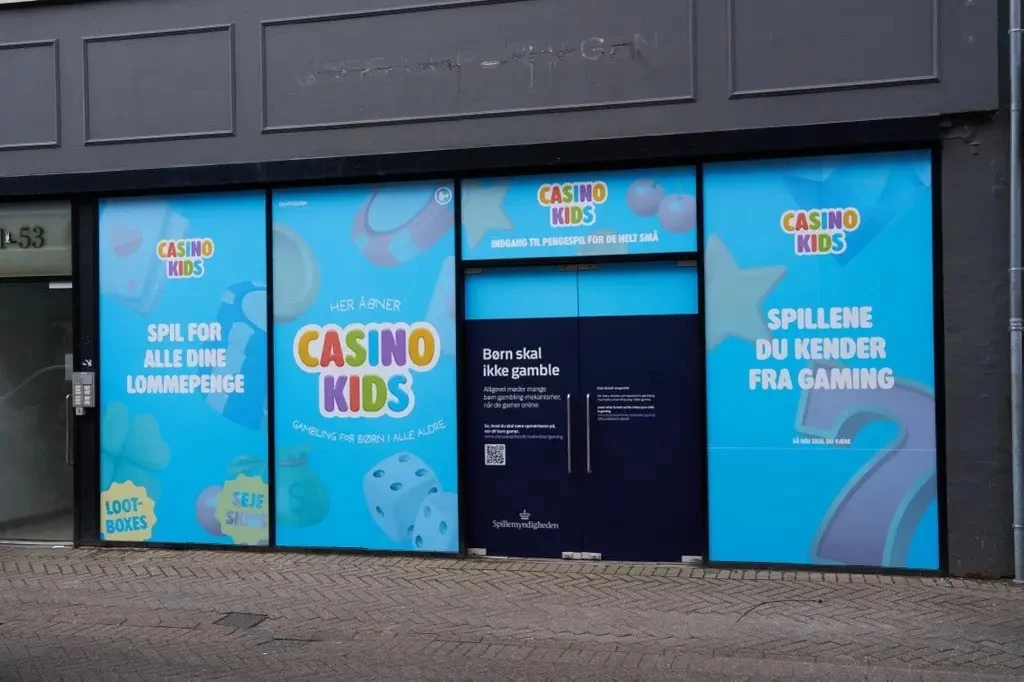
The Danish Gambling Authority (Spillemyndigheden) launched a new public awareness campaign on Monday aimed at educating parents about gambling-like features found in children's video games.
Titled "Casino in the Children's Room," the initiative seeks to shift the focus from simply monitoring screen time to examining the in-game content and mechanics that may resemble gambling.
Many popular games targeted at children incorporate elements akin to traditional gambling, such as loot boxes, random reward systems, and in-game purchases. Anders Dorph, the authority's director, highlighted that while discussions often revolve around the amount of time children spend on gaming, understanding the psychological effects of these reward systems is equally vital. "The debate about children and digital media is often about screen time. But it is also important to take an interest in the content of the games and the mechanisms that children encounter when they game," Dorph stated.
The campaign is accompanied by a short film that visually represents a child's bedroom as a casino, showcasing how gambling themes and reward structures are embedded within games designed for young players. In addition to the film, the Authority promotes StyrPåSpillet.dk, a knowledge platform that offers detailed information about gaming, the gambling aspects of games, risks associated with gambling addiction, and guidance for parents on how to discuss gaming habits with their children.
To enhance public awareness, the regulator has also set up three temporary installations resembling casinos in prominent locations: Bruuns Galleri in Aarhus, Vestergade in Odense, and Købmagergade in Copenhagen. Dubbed "Casino Kids," these exhibits aim to encourage parents and passers-by to contemplate whether the games children play incorporate gambling-like features.
Denmark's initiative is not unique in spotlighting the dangers of gambling-like features in games for minors. A report from the Swedish gambling authority, Spelinspektionen, last year linked gambling participation during youth with subsequent risky gambling behaviors in young adults. The findings indicated a strong correlation: 87% of individuals who had purchased loot boxes before the age of 15 displayed problematic gambling tendencies as adults.
This campaign arises concurrently with the Danish government's re-submission of a bill proposed in October 2025 aimed at regulating gambling advertisements targeting minors. Key elements of this bill include prohibiting anyone under 25 from appearing in ads and implementing a complete ban on gambling promotions during live sporting events.
The gaming industry responded critically to this reform package, with Morten Rønde, a managing partner at Nordic Legal, expressing shock at the proposals.

