
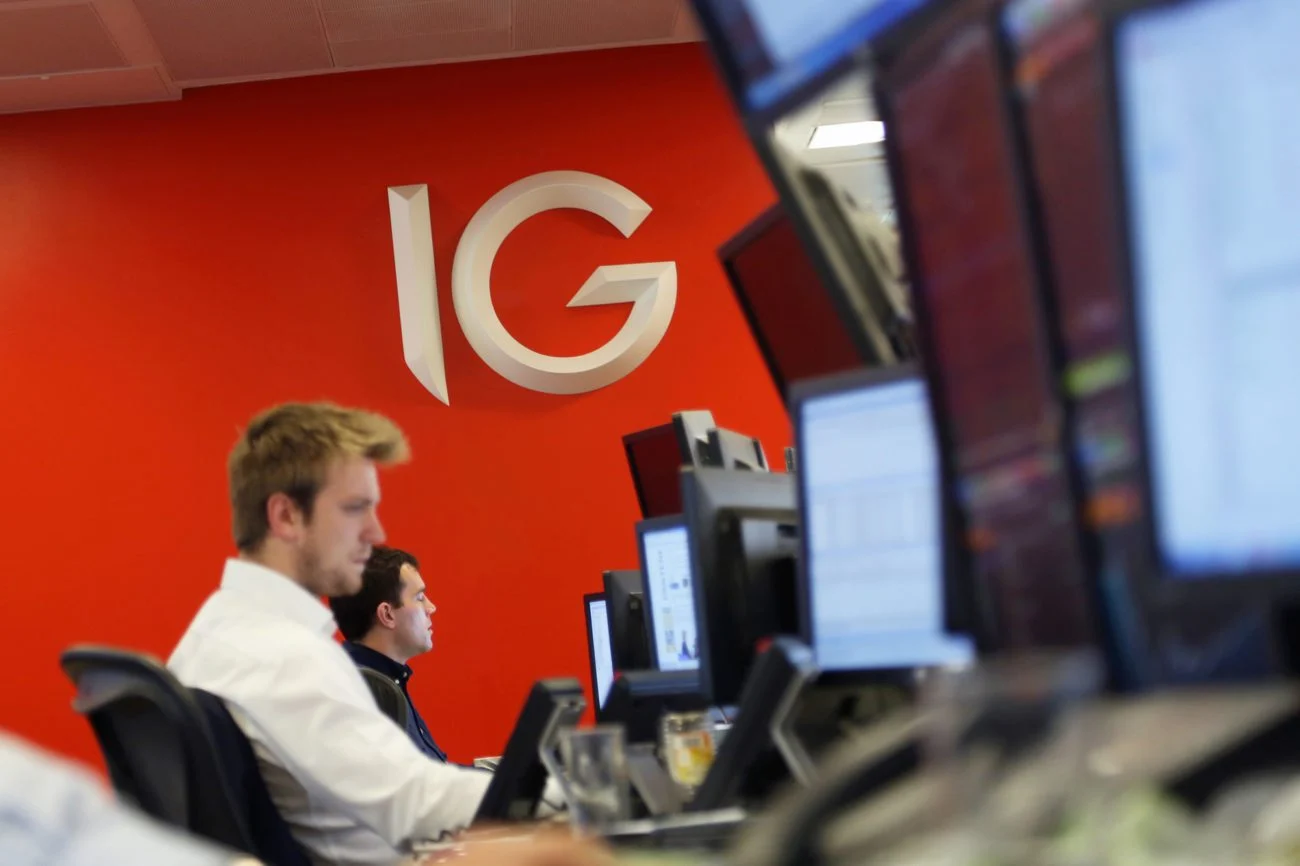
IG Group is taking a significant step into the prediction markets sector with its acquisition of Underdog Sports Holdings. Announced on July 30, the deal has an upfront enterprise value of approximately $1.1 billion, with an additional earn-out of up to $200 million for shareholders if specific performance goals are met. Furthermore, Underdog employees could earn up to $850 million through a management incentive plan (MIP), contingent on the company achieving exceptional future earnings. The transaction is slated to close in late 2026 or early 2027.
While the sum of $1.3 billion grabs attention, it's important to clarify that the $850 million is not paid directly to Underdog’s sellers; rather, it serves as an incentive for management if the company achieves substantial growth, a distinction that industry experts like Ben Robinson of Corfai believe reduces the perceived extravagance of the deal. "IG is paying $1.1 billion, or about 2.4x Underdog's last twelve months' revenue. Even including the full earn-out, that only rises to around 2.8x," he explained. This valuation is hefty, yet not exceptionally high given the industry context.
A relevant comparison is the acquisition of PrizePicks by Allwyn for an enterprise value of $2.5 billion, which corresponds to around 2.9x last twelve months revenue. Underdog's relative valuation underscores its earnings potential as it’s operating with lower margins compared to PrizePicks.
The structure of the MIP ties back to ambitious future earnings. The first tranche kicks in at $140 million of 2028 EBITDA, while maximum payouts are contingent on hitting $400 million and $700 million for 2028 and 2029 respectively. With Underdog’s current earnings trajectory, reaching these EBITDA targets entails a significant growth leap, a fact that explains how much future value IG has baked into the performance incentives.
Underdog has experienced rapid growth, reporting net revenue of $466 million for the 12 months ending June 2026, up 21% year-on-year. It boasts five million depositing customers and over 11 million registered accounts. However, growth appears to be slowing, with first-half 2026 expansion down to around 11%. This raises fundamental questions about the sustainability of the prediction-market boom—do these markets represent genuine new revenue or merely a shift in spending from daily fantasy sports (DFS)?
Experts caution that while the initial price reflects a strong belief in growth potential, the deal structure also serves as protection against regulatory challenges that prediction markets face from state regulators and other entities questioning their treatment as financial products versus gambling. Sam Martin from Wiggin noted, "The deal structure may partly be seen as a strong expectation of growth but also effective hedging by IG against foreseen headwinds to the growth of prediction markets," suggesting cautious optimism regarding the deal's prospects.
Market uncertainties loom large, with various regulatory challenges ongoing. Ed Birkin from H2 Gambling Capital remarked that the valuation hinges significantly on the market's future stability. Should prediction markets face closure in multiple states, the narrative would shift dramatically.
The historical relationship between IG’s CEO Breon Corcoran and Underdog’s founder Jeremy Levine adds another layer to this acquisition. Corcoran previously led Paddy Power Betfair during its acquisition of Levine’s DFS business, DRAFT, indicating a robust familiarity with Levine's capabilities. Disclosures reveal that Corcoran holds a personal stake in Underdog, which adds weight to the strategic intent of this acquisition.
The competitive landscape for prediction markets is evolving, with Underdog ranked behind the likes of Kalshi and Robinhood in regulated notional-volume flow. The recent launch of its own exchange in July signals ambition, yet experts like Robinson express doubts regarding whether IG Group's financial market expertise will significantly alter competitiveness in the short term. The crucial challenge remains liquidity, a hard-to-establish element in this grow-or-fail market.
As prediction markets seek to carve out a distinct space amid existing competitors, the stakes have risen. Industry players like DraftKings and FanDuel are exploring similar avenues, signaling a broader trend toward integrating prediction-market models into traditional sportsbooks’ strategies. IG Group's gamble on Underdog symbolizes a nuanced play for growth in a regulatory landscape still taking shape.
In essence, IG's acquisition reflects a layered gamble on the future of prediction markets. The immediate investment focuses on acquiring a company with promising growth, while incentivizations are strategically tied to performance that may well define the path ahead in the chaotic world of prediction markets, where regulatory clarity remains an ongoing battle.

