
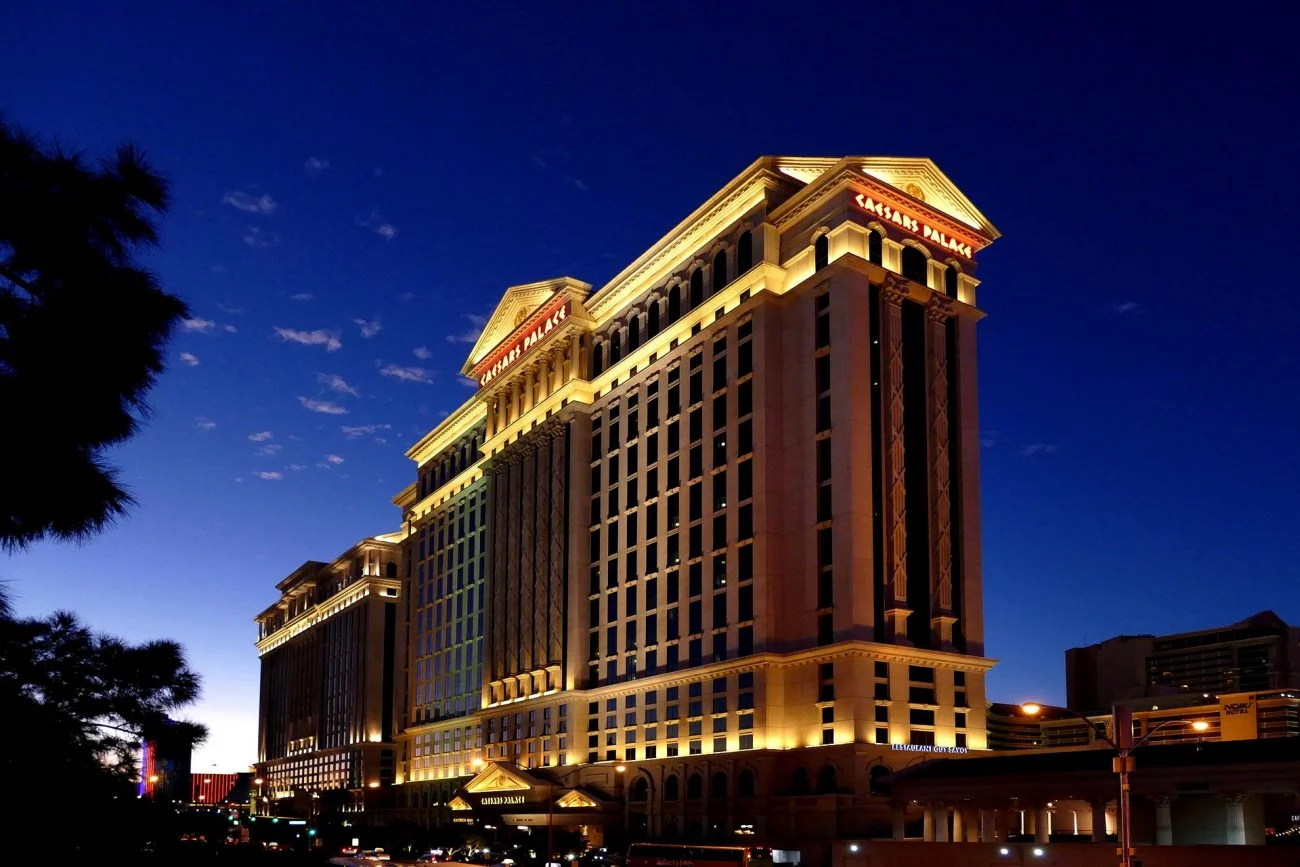
A bidding war involving Caesars Entertainment has unfolded over the past several months, culminating in the company's acquisition by Fertitta Entertainment for $17.6 billion, accounting for assumed debt. This development marks one of the most significant transactions in the U.S. casino sector since Caesars was previously acquired by Eldorado Resorts in 2020.
Before the deal's conclusion was announced in late May, speculation about Fertitta's interest had circulated for months. Following the announcement, billionaire investor Carl Icahn emerged as a rival bidder, having once guided Caesars through its transaction with Eldorado.
A preliminary proxy filing submitted by Caesars revealed that the negotiation process began as early as 2025, featuring numerous rounds of offers between the main parties, including the enigmatic presence of a fourth potential bidder. Interestingly, it was Icahn who first expressed interest in acquiring Caesars, predating Fertitta's involvement.
Fertitta's acquisition terms included a purchase price of $31 per share, a daily accumulating "ticking fee" if the deal isn't finalized by June 26, 2027, and a $6.6 billion financing arrangement, consisting of a revolving credit line and secured loans. Additionally, Caesars would incur a $200 million termination fee, while Fertitta faces a $450 million reverse termination fee. The Carano family, integral to the organization, is set to retain substantial equity in the new venture. Caesars’ board has backed the transaction, and a special meeting is being arranged to facilitate the shareholder vote.
Icahn's journey with Caesars started back in 2019 when he acquired a significant stake and played a pivotal role in the casino operator's $17.3 billion acquisition by Eldorado, paving the way for the current leadership, which encompasses the Carano family alongside CEO Tom Reeg, CFO Bret Yunker, and CLO Ed Quatmann. After initially divesting his shares, Icahn re-entered the scene in May 2024, seeking to grow another stake in Caesars, leading to renewed discussions.
By March 2025, a consensus was reached wherein Icahn would limit his stake to no more than 5% and not initiate a takeover while gaining two board positions. Jesse Lynn and Ted Papapostolou, both from Icahn Enterprises, were subsequently appointed to Caesars’ board. Throughout 2025, Icahn maintained communication with Reeg, signaling his desire to be part of company strategies. By December, Icahn indicated interest in further deals, although no formal offers were made due to their agreement.
A waiver allowing negotiations arose in December 2025, just before Fertitta announced it would proceed with its offer on December 19, recognizing Icahn’s potential interest.
Icahn's formal offer came on January 2, proposing $28.50 per share with a financing mix of cash and new equity, which ultimately faced rejection due to concerns over leverage and the Carano family's willingness to participate. A week later, Fertitta improved its proposal slightly to $28.75 per share, also rejected. In subsequent rounds, Icahn increased his bid to $32 per share, while Fertitta ultimately matched this price with some adjustments.
On February 17, Icahn formally withdrew from the contest, permitting Caesars to continue negotiations exclusively with Fertitta. Fertitta's final offer on May 27, at $31 per share, was set against a backdrop of intensified interest that drew media attention the following day.
Interestingly, the filing referenced an anonymous fourth party dubbed "Party B" that claimed interest in purchasing Caesars at significantly higher prices. However, attempts to verify this entity were futile, leading Caesars to question the legitimacy of the approach.
As discussions progressed, Fertitta readjusted its offer to account for rising financing costs and external economic pressures, which appeared to culminate in a deadlock at the previously mentioned $31 per share. Despite Caesars' efforts to fetch a higher price, Fertitta held firm, and an agreement was finally sealed on May 27.
Following the announcement, a 45-day "go-shop" period commenced, allowing Caesars to explore alternative offers. Contact was made with various parties, including Icahn, yet no viable interest emerged except from him. The deadline for competing bids approached, leading Icahn to submit a last-minute proposal on July 10, suggesting $34 per share, but ultimately, Fertitta remained the preferred bidder, with the agreement finalized around nine months post-bidding's emergence.

