
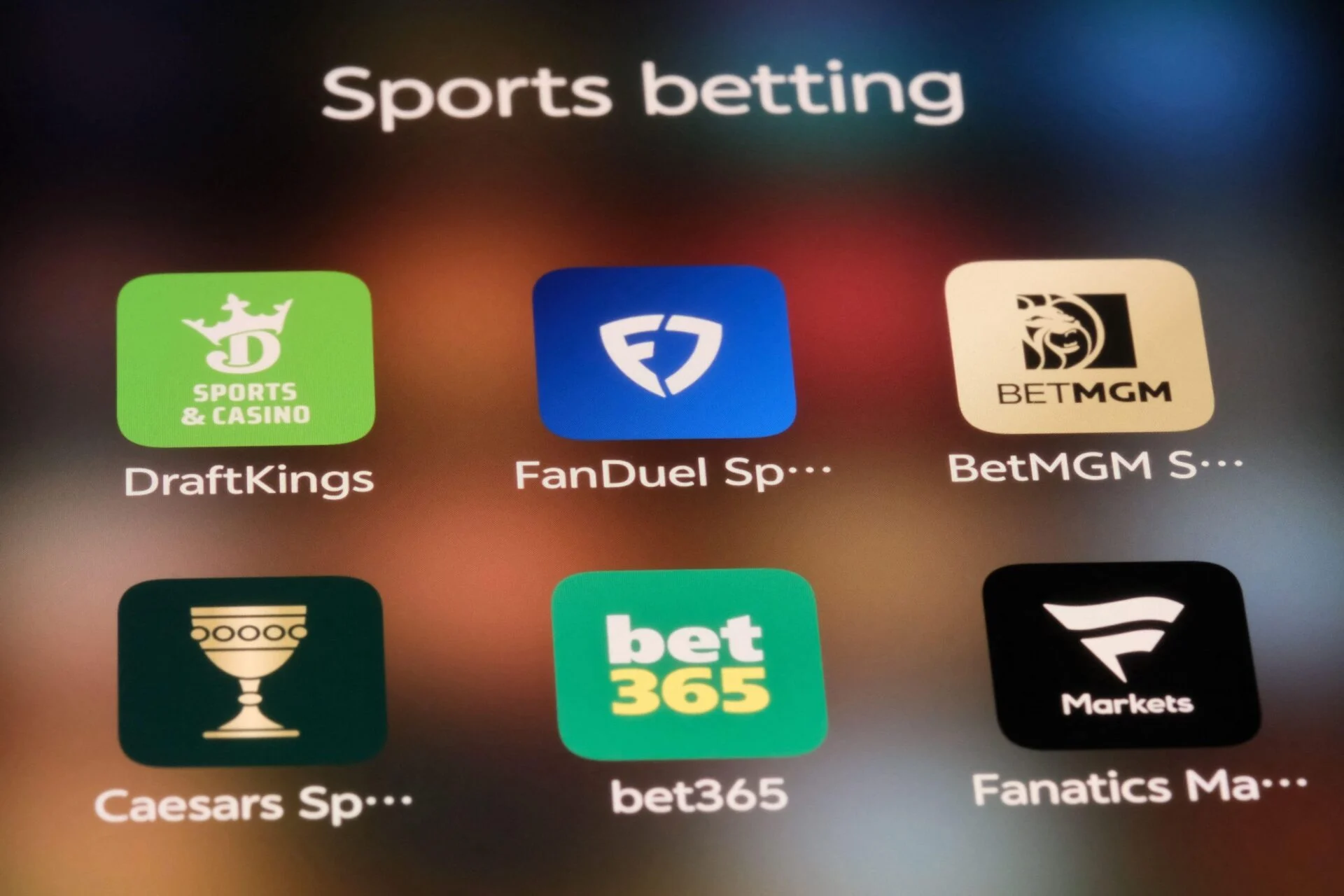
In discussions surrounding branding in the regulated gambling sector, Paul Rees, co-founder of Edge Marketing Institute, articulates a common misconception: that branding is merely about logos and sponsorships. He emphasizes that while these elements can raise awareness, they fall short of generating genuine interest or conversions. Determining what truly defines a successful brand in the gambling industry in 2026 requires deeper insights into the factors that distinguish it from a basic distribution channel.
Itai Pazner, the former CEO of 888 Holdings, echoes this sentiment, asserting that trust remains the cornerstone of any gambling brand. With over two decades in marketing, Pazner highlights the surprising finding that brands like Kalshi, Polymarket, DraftKings, and FanDuel rank among America's top 100 most trusted brands, despite the traditional skepticism towards gambling companies. This trust, according to Pazner, stems from consistent marketing efforts and an emphasis on enhancing consumer experiences.
Pazner elaborates on the core principles behind brand legitimacy, citing product authenticity and responsible operations as fundamental aspects. Trust builds with customers through efficient cash-out processes and responsive customer support. “Building trust in a brand is a culmination of every interaction and not just advertising,” he states.
Rees concurs, highlighting the importance of customer experience in fostering trust. He characterizes branding as a “reduction in perceived risk,” drawing a parallel with services like MoneySuperMarket. If the lowest-priced car insurance from an unfamiliar source comes up first, many consumers would hesitate.
Francesco Postiglione, CEO of Casumo, also supports the view that establishing trust through responsible gambling initiatives is vital. He remarks on Casumo’s substantial investments to enhance safety and compliance measures, enabling players to manage their gambling experiences better.
Despite these advancements in trust-building, marketing strategies in the gambling industry often falter. Rees and Pazner cite Paddy Power as a standout example, praising its blend of humor, publicity stunts, and relevance to popular culture. "Paddy Power executes this effectively, establishing emotional connections that go beyond functional benefits," Rees notes.
Conversely, Pazner critiques the "generic gambling advertising" prevalent in the sector, lamenting how many ads fail to distinguish one brand from another. He observes that most operators lack a cohesive, long-term brand positioning strategy, a shortcoming that hampers their marketing efforts. Rees further extends this concern to the websites of many operators, noting that they often have a uniform appearance, thereby diluting brand identity.
The regulatory environment plays a crucial role in branding as well. Rees argues that increased regulations—such as higher taxes and stricter advertising limits—compel operators to invest more in brand differentiation. He suggests that these pressures must lead operators to emphasize customer experience and personalization, rather than detracting from brand importance.
Pazner appreciates the regulatory measures in the UK but warns that they inadvertently empower illegal operators who can evade compliance costs, posing a challenge for legitimate brands like Casumo.
Postiglione stresses that responsible gambling should be integral to a brand’s identity, as players will respond positively to operators prioritizing their welfare.
Managing brand reputation across jurisdictions presents another significant challenge. Casumo’s Postiglione points out the necessity for localized storytelling and tailored marketing strategies due to varying regulations. Pazner recalls his experience at 888, likening it to adjusting a generic base like “tofu” to suit different markets with regional flavors.
He identifies Italy and the US as particularly tough markets for building gambling brands. Italy restricts advertising to affiliate channels, challenging brand visibility, while Pazner remarks on the difficulties faced by international operators in the US. He notes that successful brands must cater to American customer service expectations, which are significantly higher than in other regions.
Measuring trust poses another layer of complexity. Postiglione views retention rates as the simplest metric for gauging brand success, indicating loyalty if players continue to engage with the platform. However, the bonus-centric model in Sweden complicates loyalty measurements, escalating player churn.
Pazner highlights that adapting to customer feedback is essential for establishing trust, recalling instances at 888 where slow cash-out times prompted player migration to competitors.
A fundamental tension exists between brand loyalty and player acquisition strategies. Rees argues that while immediate sales promotions dominate current operator focus, there must be a balance with brand-building initiatives. He references research indicating that while acquisition fosters short-term gains, consistent investment in brand generates longer-term profitability and retention.
Postiglione observes that a strong brand simplifies player acquisition, whereas a weak one complicates and inflates associated costs. He’s prepared to sacrifice margin points to improve player lifetime value, viewing it as a sound investment.
The emergence of AI tools has the potential to reshape brand-building economics, making operations less labor-intensive and possibly more competitive against established brands. Pazner believes that while AI-native companies may lower operational costs and improve service delivery, they will face challenges in brand building due to the substantial financial requirements for market exposure.
Meanwhile, Rees reiterates that while AI can aid in operational aspects, it lacks the emotional intelligence required for strong brand development—something that takes years to cultivate.
Looking forward, Postiglione envisions an industry increasingly mimicking the banking sector, emphasizing personalized, frictionless user experiences as regulatory pressures mount. He contends that the player journey will ultimately define how gambling brands differentiate themselves.
In this rapidly evolving market, establishing a formidable brand transcends mere visual identity and sponsorships. Trust, consistent engagement, and a commitment to ongoing investment are paramount in distinguishing a brand in an industry where products can easily be replicated.

