
In southeastern Europe, legal gambling operators are finding themselves under increasing pressure as illegal gambling expands across borders. From Romania to Croatia, these illicit operators are not only increasing their reach but are also discovering innovative ways to attract customers, leaving legal operators feeling constrained by escalating costs and tightening regulations. In response, these operators have chosen to stand united.
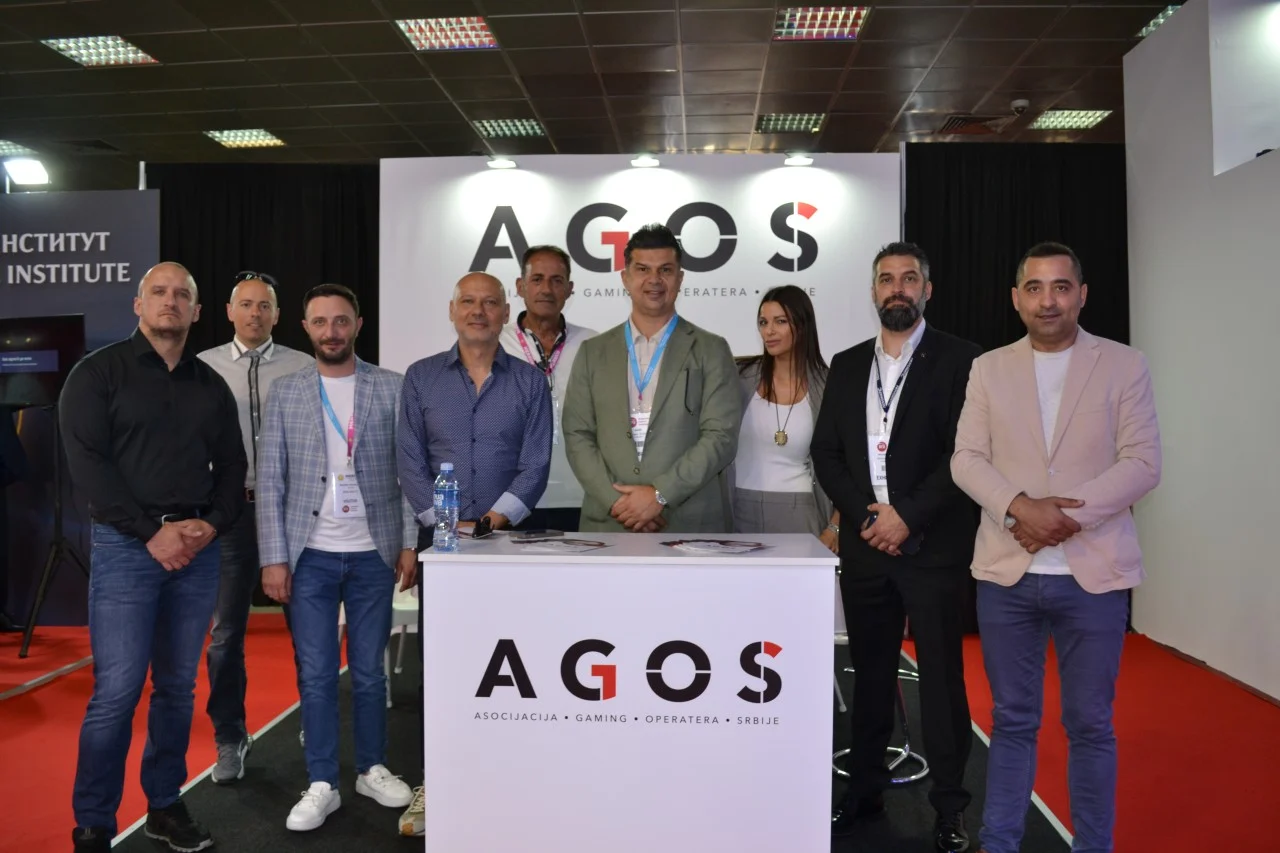
In March of this year, seven nations established the Balkan Gaming Federation (BGF), which aims to consolidate trade associations that represent operators and suppliers from the Western Balkans, including Serbia, Bulgaria, Croatia, Romania, Montenegro, Bosnia and Herzegovina, and North Macedonia. The founding members focus on two primary objectives: combating the illegal gambling market and advocating for balanced regulatory practices in the region, which they assert are increasingly interconnected.
The federation is keen to amplify the voices of an industry that feels besieged by rising tax burdens, regulatory challenges, and a surging black market.
After a few months of collaboration, the BGF has made strides. Following the signing of its Memorandum of Cooperation in Belgrade, it has opted to establish its headquarters in Croatia and plans to elect its inaugural president this autumn.
Moreover, the federation is organizing a significant roundtable involving Balkan regulators, which will bring together key companies, independent experts, and government representatives for an unprecedented exchange of ideas. This initiative aims to enhance dialogue between regulators and the industry on issues such as regulation and the black market, fostering a spirit of collaboration.
Miloš Lalević, vice president of GPIS Montenegro and former deputy minister of sports and culture, remarked, "Licensed operators should not be viewed as part of the problem – they should be recognized as part of the solution. They are the entities that invest in compliance, responsible gambling programs, consumer protection, technological innovation, and anti-money laundering systems. If governments want to effectively combat illegal gambling, they need strong and competitive regulated markets."
However, the gaming landscape in the Balkans has undergone significant changes over recent years, often leading operators to perceive themselves as being treated as part of the problem. The region, once recognized as an affordable entry point into European gaming, has witnessed a surge of restrictive regulatory measures alongside escalating operational costs.
Lalević pointed out that operators frequently fall victim to outdated perceptions, while regulators often overlook their economic contributions. In Romania, where the challenges are most acute, the land-based slots industry is facing significant decline due to new local authorization laws. These recent regulatory changes, paired with tax increases and a ban on slots in smaller towns, have left the industry vulnerable to local council decisions.
In Bulgaria, a ban on gambling in minor towns has similarly affected operators, compounded by a near-total advertising ban and a broadened self-exclusion scheme within the past few years.
Croatia, where the federation is based, is implementing sweeping regulatory reforms, which include stringent rules on advertising, player identification, and self-exclusion. The industry is also grappling with steep tax hikes and rising licensing fees.
Lalević expressed concern regarding an insufficient understanding among many jurisdictions regarding the practical consequences of specific regulatory measures. "When regulation becomes excessively restrictive, the outcome is often the opposite of what policymakers intend. Players do not disappear from the market; they simply migrate to unlicensed operators that are beyond the reach of national regulators, tax authorities, and consumer protection frameworks. This is precisely why the expansion of the black market has emerged as one of the most pressing challenges for our industry today."
As legal operators struggle, the black market is reportedly flourishing across the region. Data from Gaming Compliance International (GCI) reveals that, in 2025, channelisation for online gaming in the Balkans stood at a mere 11%, with illegal gaming dominating at 89%. This assessment excludes Bosnia and North Macedonia and is derived from data across Serbia, Montenegro, Croatia, Bulgaria, Romania, and Slovenia.
Filip Jelavić, secretary general of the Croatian gaming association HUPIS, is acutely aware of the illegal gaming threat and has been working actively at both European and local levels to combat it through new enforcement strategies.
With Croatia serving as the federation’s headquarters, Jelavić believes HUPIS can strengthen connections among Balkan nations and Europe while offering essential expertise for protecting the regulated market. He stated, "The Croatian industry has been actively involved in combating illegal gambling for more than fifteen years and has invested significant effort into digital enforcement over the past seven years. Through cooperation with regulators, financial institutions, payment providers, and international partners, important progress has been achieved, but the challenge continues to evolve rapidly."
Jelavić characterized the black market in the Balkans as becoming "increasingly sophisticated and well-organized," utilizing influencers, affiliate networks, and social media to direct players to platforms operating outside regulatory frameworks and offering minimal consumer protections.
By promoting shared knowledge and tools across borders, the BGF aims to outsmart the black market operators.
Creating a "genuine partnership" between public authorities and the industry is another ambition of the BGF, according to Lalević. While there have been existing dialogues between politicians and trade associations, he noted these discussions tend to be more formal than substantive.
"While consultations are taking place, we are still not seeing enough concrete progress toward creating a sustainable balance between the legitimate interests of the state on one hand and the ability of licensed operators to provide their services in a viable and competitive environment on the other," Lalević remarked.
The federation believes that a unified voice across the region will foster change. "Licensed operators should not be seen merely as taxpayers, though they significantly contribute to public budgets, but also as strategic partners in advancing responsible gambling, consumer protection, anti-money laundering measures, and broader regulatory objectives," he added. "The success of public policy in this sector relies on a strong partnership between regulators and compliant operators."
With numerous developments on the horizon for the Balkan gaming sector, the federation's inaugural year promises to be a busy one. Plans for the roundtable are underway, and closer collaboration with EUROMAT is expected to address illegal gambling and safeguard legal operators. In September, European and Balkan associations will convene in Bucharest to establish a shared direction and enhance industry coordination.
The first Balkan gaming awards will also take place in November alongside the announcement of the federation's president, celebrating local talent while emphasizing the collective interests of the region’s gaming industry.
Looking ahead, Jelavić expressed hope for the BGF's first year, aspiring for it to become a recognized "regional voice" and a relevant player in discussions with governments, regulators, and European institutions. "If, after the first year, the federation is acknowledged as a serious regional partner, actively engaged in the fight against illegal gambling and capable of uniting operators, suppliers, and industry stakeholders around common goals, that would be a very successful start," he commented.
For Lalević in Montenegro, the federation's success ties directly to real-world outcomes. As Montenegro strives to complete its EU accession by 2028, regulatory alignment on issues such as anti-money laundering and data protection is essential. Additionally, industry and politicians must collaborate to comprehend the implications of emerging technologies like artificial intelligence, particularly in relation to safer gambling.
The effectiveness of the federation will hinge on its ability to transform regional unity into meaningful influence over regulators. The upcoming roundtable and extended cooperation with EUROMAT will be the first major test of this initiative.
Lalević concluded, "Ultimately, stronger institutional coordination is not an end in itself. It aims to create more effective regulation, enhance consumer protection, fortify the fight against illegal gambling, and cultivate a healthier and more sustainable gaming sector across both the Balkans and Europe."

