
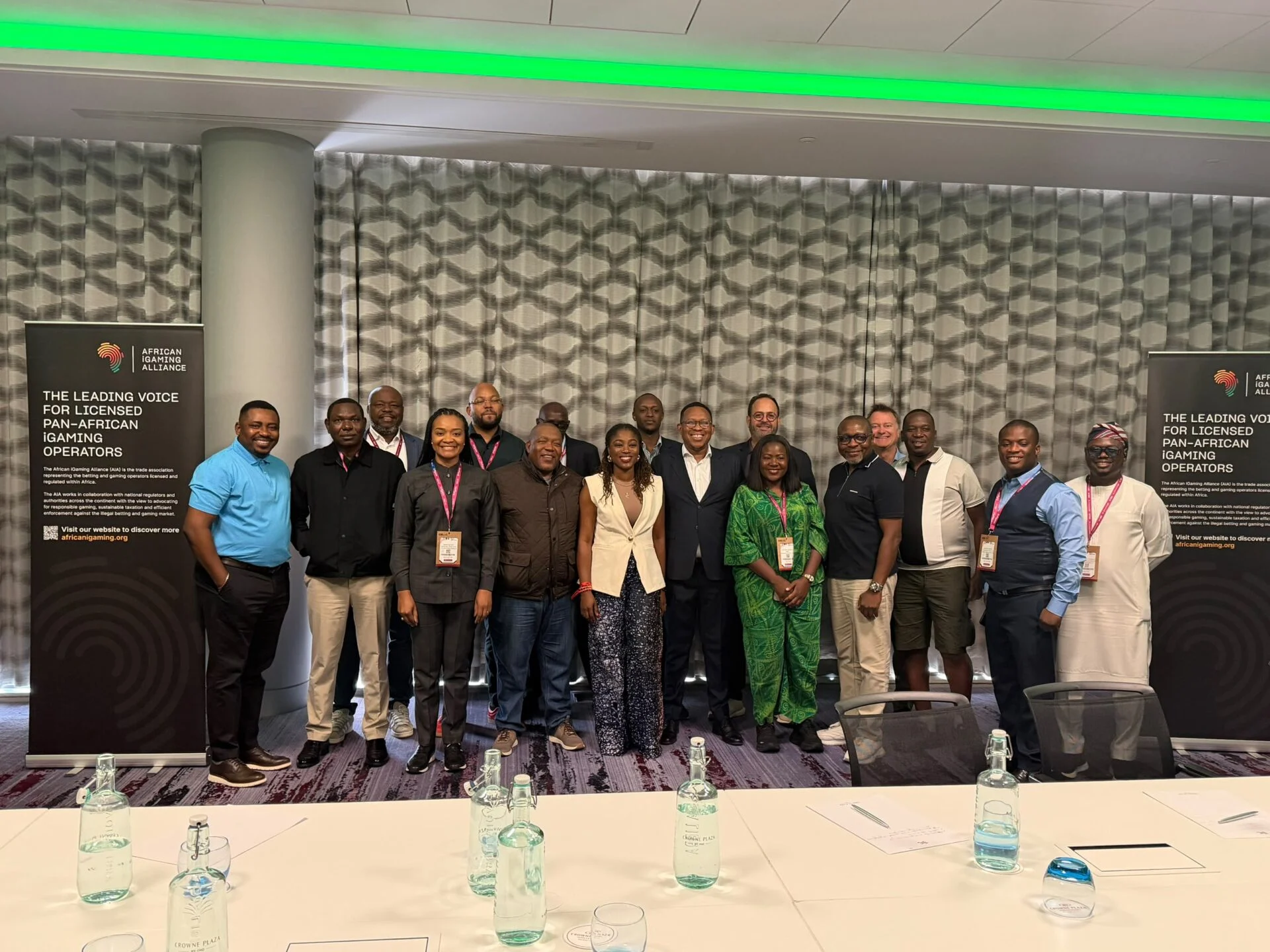
This week, regulators from various African nations convened in London to enhance collaborative efforts on licensing, taxation, and player protection in the continent's growing gambling sector. The meeting took place alongside the iGB L!VE 2026 conference on July 2 and was organized by the African iGaming Alliance (AiA).
Participants included chief executives and senior officials from at least eight African jurisdictions: Nigeria, South Africa, Uganda, Malawi, Rwanda, Ghana, Tanzania, and Angola. They shared insights and policy experiences regarding key regulatory challenges.
With Africa’s digital betting market rapidly expanding, regulators pointed their discussions toward crucial topics, including sustainable taxation models that seek to balance government revenues with market competitiveness. Another focal point was promoting licensed operators to players and enhancing mechanisms for player protection.
A significant technical presentation by data specialists H2 Gambling Capital provided valuable insights into global taxation frameworks and the relationship between tax policy, player protection, and sustainable revenue generation.
There was a strong emphasis on creating balanced tax regimes that encourage compliance while ensuring consumer safety and supporting long-term growth in the industry.
One of the main outcomes of this gathering was the advancement of the Africa Safer Gambling Week initiative proposed by the AiA. This event is designed to deliver consistent messaging and coordinate educational efforts among regulators, operators, and other stakeholders to promote responsible gambling practices.
Organizers reported various key agreements reached during the discussions, including a reinforced commitment to cross-border regulator collaboration and a focus on evidence-based policymaking supported by up-to-date market data. They also agreed to further dialogues on taxation strategies that align government revenue goals with competitive market dynamics and player safety, along with enhanced collaborative efforts to identify and combat unlicensed and illegal gambling activities.
Peter Emolemo Kesitilwe, CEO of the African iGaming Alliance, stated, “Africa’s gaming industry continues to grow rapidly, making regulatory collaboration more important than ever.” He expressed that the discussions reflected the commitment among African regulators to collaboratively tackle common challenges, share best practices, and develop regulatory frameworks that support responsible gambling, consumer protection, and sustainable market development. Kesitilwe reaffirmed AiA's dedication to serving as a platform for this collaborative effort beneficial to the continent.
The necessity for regulatory coordination arises amidst the liberalization and increased internet and mobile access fuelling Africa’s betting market expansion. For example, Bola Group recently introduced a betting platform on WhatsApp to coincide with the World Cup. Featuring technology from ChatLayer Media Technologies, Chatbet allows users to receive odds and place wagers by sending a text or voice message via WhatsApp.
Recent updates to licensing frameworks and modifications to taxation systems aim to better capture online revenues in numerous jurisdictions. Meanwhile, competition from offshore platforms and informal operators continues to challenge regulators and hinder tax collection efforts.
During the London meeting, regulators shared insights into their latest initiatives. For instance, Nigeria’s Lagos State Lotteries and Gaming Authority, South Africa’s National Gambling Board, and Ghana’s Gaming Commission have stepped up regulatory oversight, employing data-driven compliance technologies.
With the World Cup approaching, the National Gambling Board alerted the public to an expected rise in illegal online gambling platforms. They warned that these fraudulent sites often masquerade as legitimate bookmakers by appropriating the names, logos, and branding of established operators.
Smaller markets like Rwanda and Malawi are concentrating on capacity building and information sharing to identify illegal operators effectively.

