
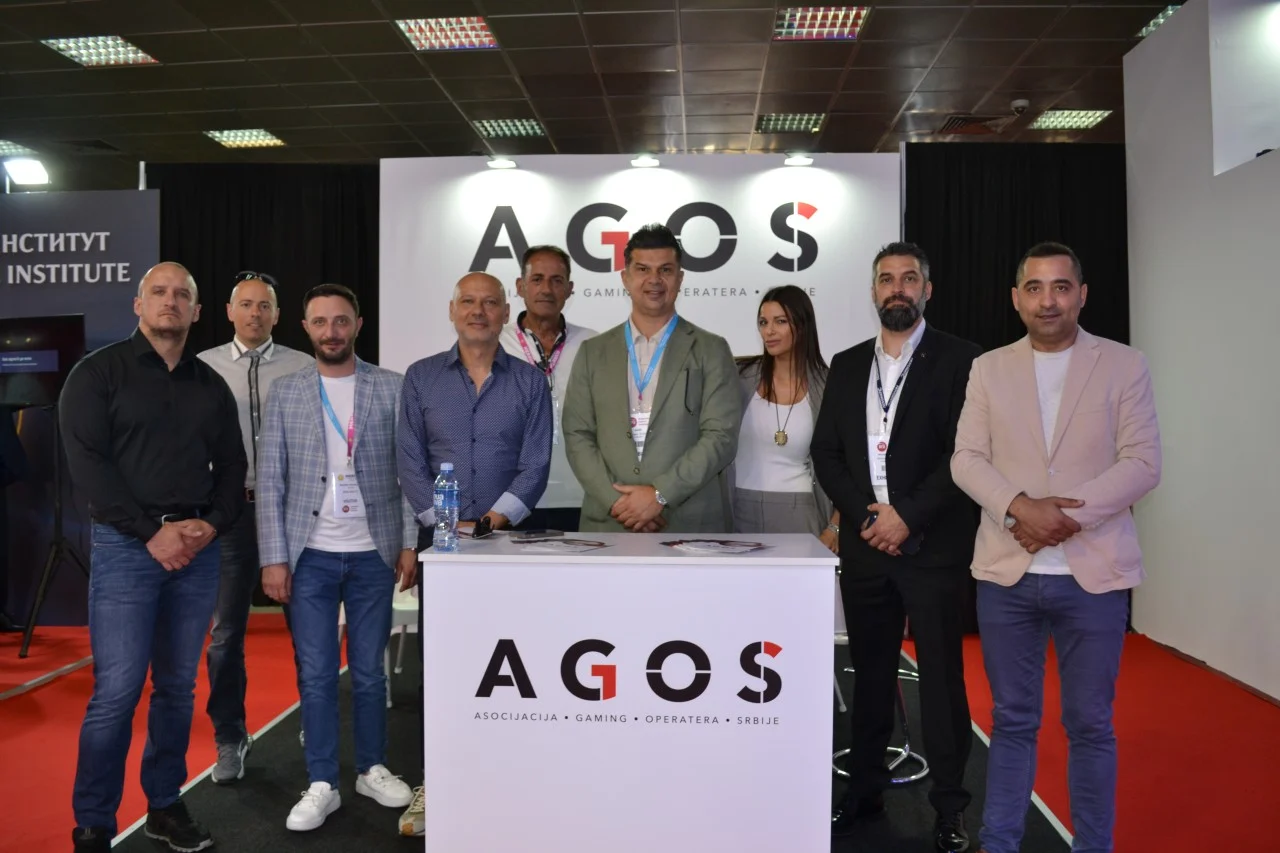
In southeastern Europe, legal gambling operators are facing increasing pressure as illegal operators expand their reach, attracting customers while legal businesses grapple with rising costs and regulatory constraints. In response to these challenges, operators have banded together to form a unified coalition.
In March 2023, seven countries established the Balkan Gaming Federation (BGF), which connects trade associations representing operators and suppliers from Serbia, Bulgaria, Croatia, Romania, Montenegro, Bosnia and Herzegovina, and North Macedonia. This initiative aims primarily to combat the illegal gaming market and advocate for reasonable regulations in the region, viewing both goals as interlinked.
The BGF seeks to amplify the voices of its members, who feel increasingly besieged by regulatory challenges, tax burdens, and a growing black market.
Progress has already begun in the federation's early months. Following a Memorandum of Cooperation signed in Belgrade, BGF will officially register in Croatia and elect its first president in the upcoming autumn.
A significant development on the horizon is a roundtable of Balkan regulators, designed to foster collaboration between leading firms, independent experts, and government representatives. This unprecedented event aims to facilitate discussions on regulation and illegal gambling, promoting a cooperative environment instead of antagonism.
Miloš Lalević, vice president of GPIS Montenegro, emphasizes that legal operators should not be perceived as part of the problem but recognized as essential players in the solution. “They invest in compliance, responsible gambling programs, consumer protection, technological innovation, and anti-money laundering measures. If governments seek to effectively tackle illegal gambling, they need strong and competitive regulated markets,” he asserts.
However, the recent history of the gaming industry in the Balkans reveals why operators often feel blamed. Once considered an affordable entry into European gaming, the region has been burdened by stringent regulations and escalating costs.
Lalević notes that operators have suffered from “outdated perceptions,” while regulators overlook their significant economic contributions. In Romania, for instance, new local authorization laws are causing devastation in the land-based slots industry, compounded by tax increases and restrictions on slots in smaller towns.
Similarly, Bulgaria has enacted a ban on gambling in small towns, restrictions on advertising, and extended self-exclusion initiatives in recent years. Croatia, where the federation is based, is also undergoing a regulatory overhaul with strict advertising rules, player identification protocols, and self-exclusion measures, while also facing significant tax hikes and rising licensing fees.
Lalević expresses his concern about the lack of understanding regarding the impacts of certain regulatory measures. He warns that overly strict regulations often have counterproductive effects, driving players away from legal venues to unlicensed operators that evade regulatory oversight. This trend is contributing to the alarming growth of the black market, which poses a significant challenge to the industry.
The illegal market is on the rise in the Balkans. According to data from Gaming Compliance International (GCI), online gaming channelization stood at just 11% in the Balkans by 2025, with illegal gaming comprising 89% of the market.
Filip Jelavić, secretary general of the Croatian gaming association HUPIS, has witnessed firsthand the threat posed by illegal gaming. He is committed to combating this issue through new enforcement strategies at both local and European levels. With Croatia serving as the federation's headquarters, Jelavić believes HUPIS can strengthen connections among Balkan nations and Europe while providing valuable expertise in maintaining the regulated market. “The Croatian industry has been working against illegal gambling for over 15 years and has focused on digital enforcement in the last seven years,” he explains. “Collaboration with regulators, financial institutions, payment providers, and international partners has resulted in important progress, but challenges evolve rapidly.”
Jelavić adds that the black market is becoming increasingly sophisticated and organized, employing influencers, affiliate networks, and social media to draw players to unregulated platforms that offer minimal consumer protections.
By exchanging information and tools across borders, the BGF aims to compete effectively against illegal operators.
The federation also strives to create a “genuine partnership” between public authorities and the gaming industry, according to Lalević. While some dialogue exists between politicians and trade associations, he believes discussions are often more formal than substantive. He stresses that although consultations are underway, tangible progress is needed to balance the legitimate interests of the state with the needs of licensed operators who aim to provide competitive services.
Lalević envisions a unified voice in the region leading to meaningful change. Licensed operators should be viewed not only as taxpayers, but as strategic partners advancing responsible gambling, consumer protection, and anti-money laundering initiatives. “The success of public policy in this sector depends on strong partnerships between regulators and compliant operators,” he states.
As the BGF embarks on its inaugural year, it will be busy with various initiatives. In addition to the roundtable, there are plans for closer coordination with EUROMAT to tackle illegal gambling and protect legal operators. A meeting in September in Bucharest will involve both European and Balkan associations to align their efforts and enhance industry coordination. In November, the federation will announce its president and hold the first Balkan gaming awards to celebrate local achievements in the industry, underscoring its commitment to unity.
Jelavić hopes that by the end of its first year, the BGF will be recognized as a credible regional voice and a relevant stakeholder in discussions with government entities, regulators, and European institutions. He believes that if the federation is acknowledged as a serious partner in the fight against illegal gambling and capable of uniting operators, suppliers, and stakeholders around common objectives, it will mark a successful beginning.
For Lalević, the federation's success hinges on real-world impacts. As Montenegro aims for EU accession by 2028, alignment on anti-money laundering and data protection regulations will be critical, along with collaboration between politicians and the industry to understand the implications of emerging technologies like artificial intelligence in promoting safer gambling.
The federation's ability to convert regional solidarity into genuine influence with regulators will be vital. The upcoming roundtable and enhanced cooperation with EUROMAT will provide crucial opportunities for assessment.
“For better institutional coordination to matter, it must lead to more effective regulation, stronger consumer protection, more successful efforts against illegal gambling, and a healthier gaming sector across both the Balkans and Europe,” Lalević concludes.

