
Texas, known for its grand scale, is also seeing significant movement in the realm of prediction markets. This past Sunday, trading for an NFL game between the Dallas Cowboys and the New York Giants hit an impressive $208 million across various US markets, as reported by Aldrin Research. Kalshi, a prediction market platform, noted that this volume outstripped any NFL regular-season game from the previous year.
It’s not just the NFL that’s heating up in Texas. The fervor for college football—a sport held in high esteem in the state—was on display when Ohio State faced Texas in a Top 5 matchup on September 12, where over 50.7 million contracts were traded, according to Odds Shopper. The intense trading activity helped set the stage for a legislative hearing just three days later, focused on how the state assesses prediction markets.
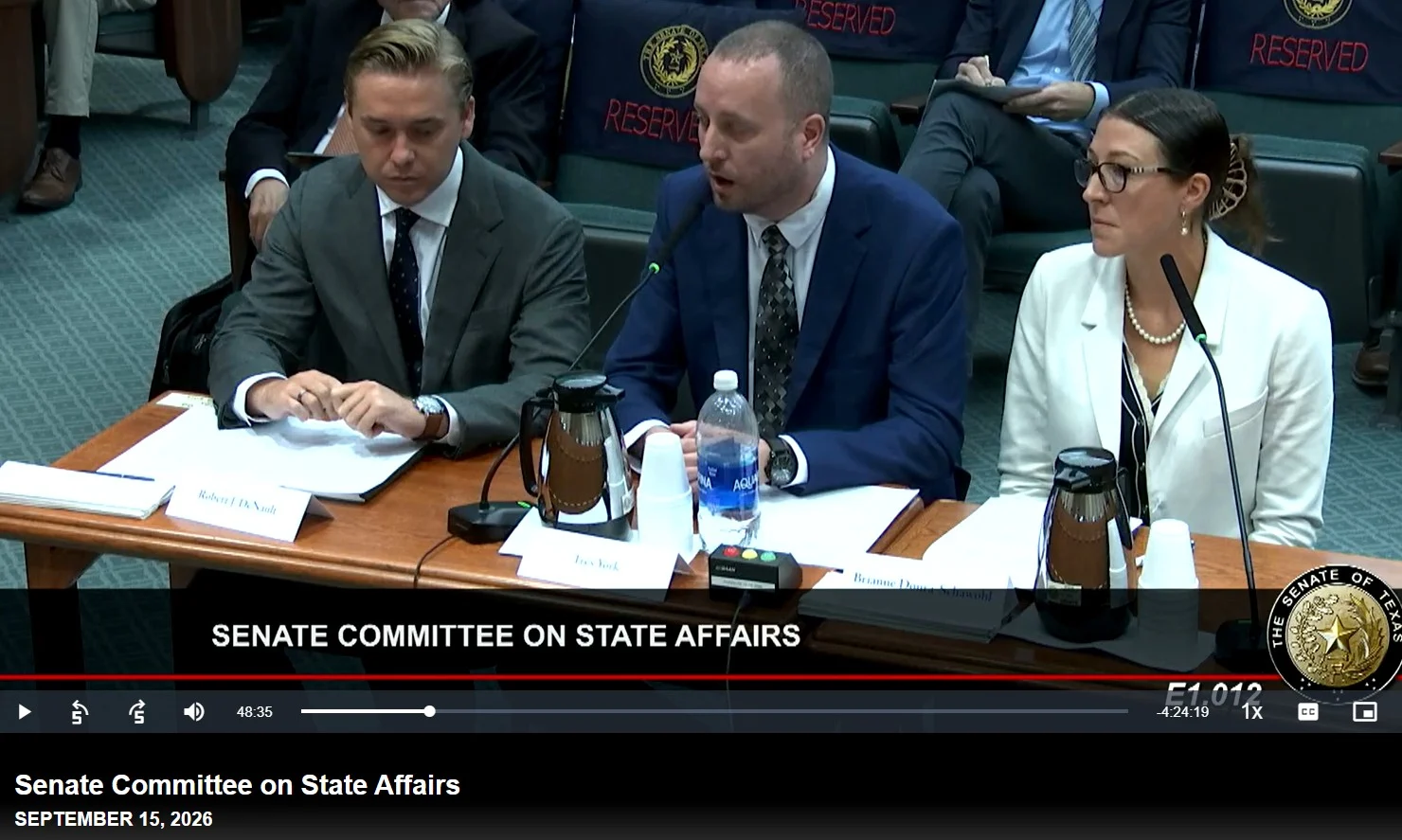
The Texas Senate Committee on State Affairs convened a 62-minute session, led by Senator Bryan Hughes, which involved testimony from Kalshi and a prominent lobbyist from the American Gaming Association (AGA). This hearing is a pivotal moment as stakeholders anticipate significant elections next year, including races for governor, attorney general, and a US Senate seat—outcomes that could reshape the future of prediction markets in Texas.
In Texas, sports betting remains illegal, and with Governor Greg Abbott and Lieutenant Governor Dan Patrick both facing re-election, the landscape is tense. Patrick has historically opposed sports betting, thwarting numerous legalization attempts since the repeal of PASPA in 2018.
During the hearing, AGA Vice President Tres York expressed concerns that event contracts, such as those predicting the Cowboys' victory, are akin to sports wagers. Meanwhile, Robert DeNault, Kalshi’s legal counsel, advocated for the safety of federally regulated prediction markets over unregulated offshore options, emphasizing that banning these markets could just push Texans toward riskier alternatives.
Senator Bob Hall, who represents parts of Dallas, remarked on the superficial differences between event contracts and traditional sports gambling, humorously referring to them as different costumes of gambling. York suggested that Texas should impose geofencing to limit prediction markets and consider litigation in state courts, where he believed they might find more success.
In a notable development outside Texas, Kalshi announced a landmark partnership with the Tunica-Biloxi Tribe of Louisiana, making it the first prediction market to collaborate with a federally recognized sovereign nation. This partnership, set to launch a prediction market app before an upcoming football game, is designed to empower the tribe economically through their own trading application. Tunica-Biloxi Chairman Marshall Pierite highlighted the initiative as a way forward for tribal innovation in the modern economy.
As the legislative landscape evolves, some voices stress the potential impacts of prediction markets on younger generations. Brianne Doura-Schawohl, a recognized expert in problem gambling, pointed out that a significant portion of Gen Z considers sports betting a part of their financial planning. She cautioned against future platforms that may inadvertently expose minors to gambling risks.
Lastly, the hearing coincided with the US Court of Appeals for the Ninth Circuit's ruling on Kalshi's operations, reinforcing that sports event contracts can be classified as unauthorized gaming on tribal land under the Indian Gaming Regulatory Act. This ruling accentuates the regulatory complexities surrounding prediction markets and the gambling industry overall.
As Texas music to the tune of both pride and controversy, the discussions on prediction markets underscore a dynamic interplay between innovation, regulation, and traditional views on gambling.

