
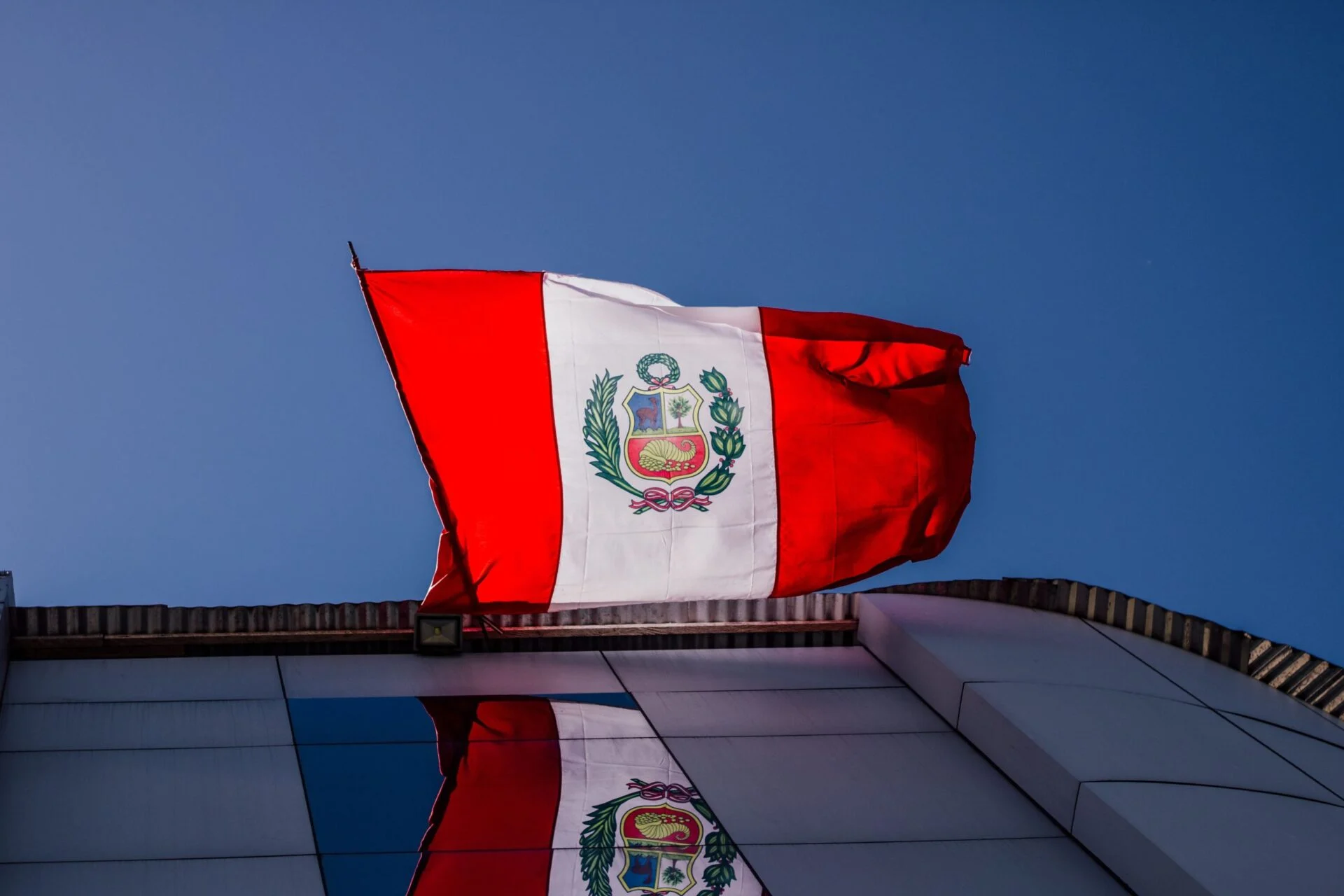
Peru launched its regulated gambling market in February 2024, attracting multiple international operators while also supporting established local companies like market leader Apuesta Total.
Jennyfer Escobar, who manages Stake's operations in Peru, noted the market's competitiveness within Latin America. "In the early stages, competition was largely driven by marketing investment, including advertising, sponsorships, etc.," Escobar told iGB. "Today, product quality, platform performance, and overall user experience are becoming much stronger differentiators.
"Players are more informed, have higher expectations, and will switch brands if those expectations aren't met."
While Stake only entered the Peruvian market in 2024, Betsson has maintained a presence since 2008, influencing the market's development before and after regulation. Andrea Rossi, the company’s commercial director for Southern Europe and Latin America, described the Peruvian market as polarized, with a handful of operators like Betsson leading while others attempt to catch up.
"I think competition has already evolved. We have seen fierce competition," Rossi said. "We have been there for a long time and we have our positioning quite cemented. [But] we need to look at ourselves and keep improving, keep embracing the Peruvian culture and the way we fit in the market by applying a localized approach."
In the context of heavy competition, local Peruvian brands face challenges from international operators with greater resources in technology and capital. Ramiro Atucha, founder and CEO of Atucha Strategic Advisory, emphasized that the effectiveness of international operators in capitalizing on their advantages will largely depend on their commitment to localization.
"When we talk about localization, we're not just talking about the language or doing a game about Machu Picchu," he explained. "We're talking about taking the effort to understand the history of those players, what they're used to.
"Five years ago, operators in Colombia said that players there did not like slots. Five years later, they found that players did like slots but preferred simpler ones. If operators take the time to understand players’ preferences, it makes a difference."
To compete, local operators have focused on enhancing their technology through partnerships with top-tier suppliers, although challenges arise when larger platforms only collaborate with established operators rather than nurturing smaller companies.
Atucha pointed out that many of today’s tier 3 or tier 2 operators could grow into leading enterprises. He cited EstrelaBet as an example of a company that rose significantly after starting with nothing, although it might have been overlooked initially by platform suppliers.
Betsson's experience in Peru serves as a key advantage, especially as they integrate local insights into their offerings. Rossi highlighted that various factors contribute to Betsson’s success in Peru, where they recorded a significant revenue increase, with Peru emerging as their largest market by revenue in Q2 2023, accounting for 36% of their €310.2 million earnings.
"Peru has always been one of our driving markets in LatAm, and you always have the attention from the business to keep substantial levels of investment," Rossi explained.
The firm’s focus extends beyond marketing to enhancing product offerings and incorporating local talent to better understand customer needs. "Peru is our legacy. It plays a pivotal role in our ways of operating," he added.
Stake has also aimed to balance its global capabilities with local market understanding. With licenses in Peru and several other LatAm countries, Escobar commented on the importance of this duality in maintaining competitiveness.
Having received their license in Peru in August 2024, she remarked that Stake's investment in understanding Peruvian players through partnerships and tailored marketing is crucial for their success.
Escobar said, "That balance between global capability and local relevance has allowed us to establish a strong position in one of Latin America’s most competitive markets."
Peru benefits from a regulatory framework recognized as comprehensive within Latin America, which was positively received at its rollout in 2024. Rossi praised the regulation, stating that it creates a positive and transparent market.
Escobar echoed this sentiment, noting that, despite being only slightly over two years into regulation, the market has achieved significant player engagement and digital adoption.
"The regulation has achieved its primary objective: creating a safer and more transparent market," she stated.
Nonetheless, challenges persist, including a 1% selective consumption tax (ISC) implemented on July 1, 2025, after the removal of an initial proposal two years earlier. Atucha cautioned that while current regulations are seemingly operator-friendly, history shows that governments often seek to increase revenue from regulated sectors, which could threaten market stability.
He remarked, "There should be a review of the whole ISC or consumption tax framework… to avoid disruption of businesses and a migration of customers to the illegal market."
Although the regulated framework has successfully channeled customers away from illegal operators, the risk remains that rising taxation could drive them back. Rossi noted that while Peru has been effective in channeling customers, increased taxation could reverse this trend, leaning consumers toward unregulated outlets that do not impose consumption taxes.
"It’s crucial for regulators to consider the implications of higher taxes on channelization, referencing similar outcomes in markets like Germany and the UK," Atucha warned.
Operators now face the challenge of maintaining growth amid increasing competition while navigating the tax landscape. Escobar predicted that as the market matures, operators will need to adopt a more refined focus on technology, product quality, and customer experience rather than purely on marketing.
Rossi regarded the Peruvian market as effectively mature, attributing its historical significance in Latin America to its swift adoption and long-standing betting culture. He foresees future growth driven by higher mobile penetration and a new generation seeking online entertainment.
"It’s our responsibility… to educate those newcomers into the online gaming world to always play responsibly," he emphasized, marking this approach as vital for engagement with a burgeoning digital consumer base.

