
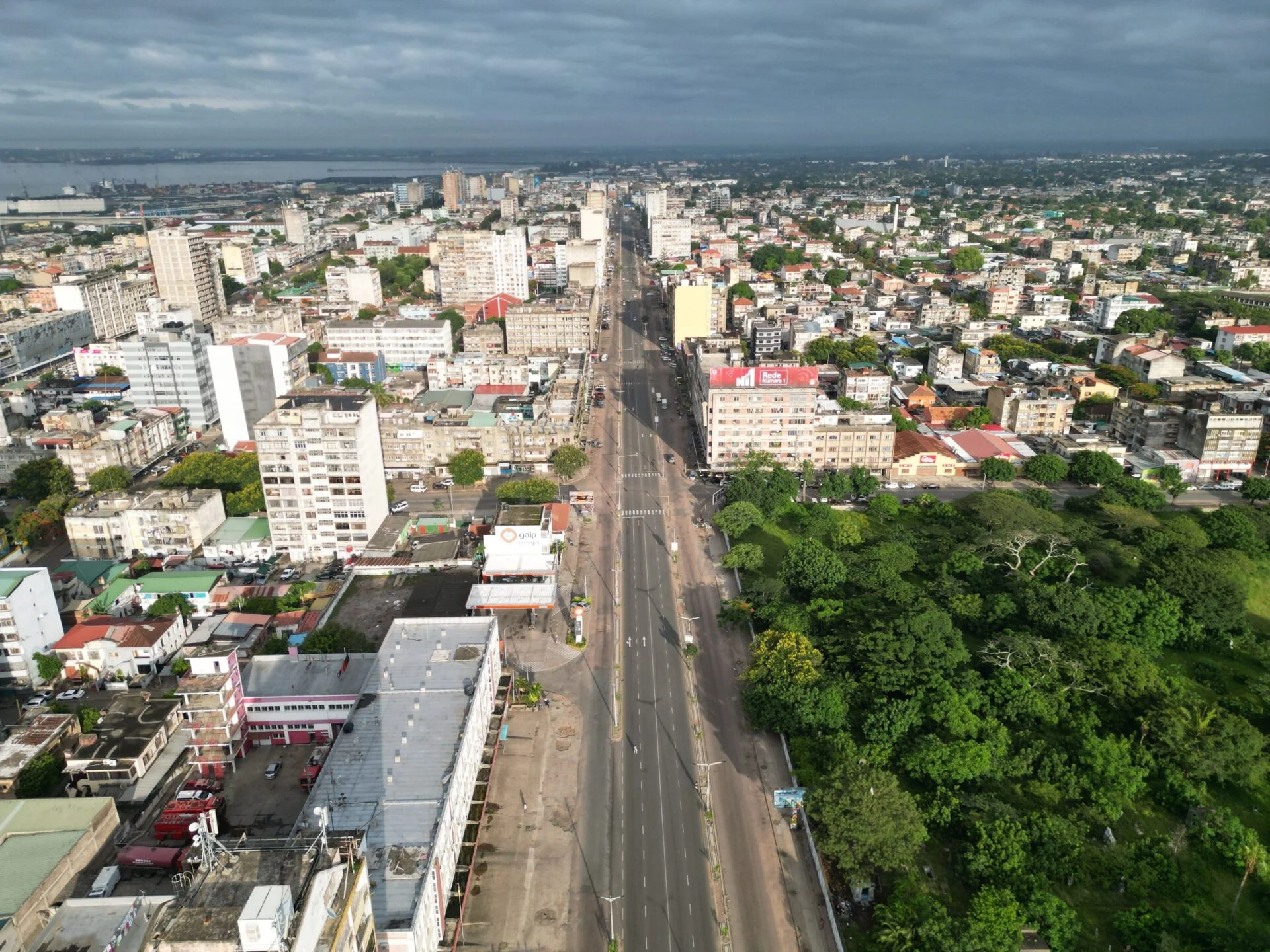
Mozambique has enacted a new legal framework specifically for online gambling, establishing a distinct concession regime for games of chance available through electronic platforms and digital avenues. This legislation, termed the Regulation on the Operation and Practice of Games of Chance or Fortune through Electronic or Computerised Means, was confirmed by the Council of Ministers in mid-July.
The law clearly separates online gambling from the existing concession system that regulates the country’s land-based casinos. While Mozambique already permits online sports betting and various other products under its social and entertainment games framework—covering lotteries, raffles, mutual betting, and virtual games—the new regulation focuses exclusively on online games of chance, such as casino-style gambling. These will now function under their own concession framework, differing from physical casino operations.
This legislative shift comes as the revenue generated from traditional casinos has been on the decline. According to data reported by Portuguese news agency Lusa, casino gaming tax collections fell to MZN359.5 million ($5.6 million) in 2025, significantly below the anticipated MZN666.1 million, achieving just 54% of the government's budgetary target. This amount also reflects a 7.3% decrease compared to the MZN387.7 million collected in 2024, when the government budgeted MZN1.235 billion and collected only 34% of that target.
The government has attributed this drop in revenue to a substantial rise in online gambling, which they claim has led to fewer patrons visiting physical casinos, as reported in RTP’s review of the ministry’s budget execution data for 2025.
Following the approval of the new framework, Economy Minister Basílio Muhate emphasized the importance of enforcement and transparency. After meeting with representatives from the Mozambican Association of Online Games and Betting on July 31, Muhate reaffirmed the government's commitment to combating illegal gambling while advocating for increased oversight. He stated, "We continue to defend the fight against illegal gambling. Regarding all forms of illegality arising from gambling, we affirm and reaffirm our commitment to tackling it. We also reaffirm the need for greater inspection and greater transparency. That is why we have a General Inspectorate of Games with that responsibility."
Muhate urged gambling operators to consider the social ramifications of irresponsible gambling, especially among younger demographics.
Economist Júlio Saramala, speaking with STV Notícias, suggested that the General Inspectorate of Games (IGJ) should disclose its inspection criteria and annual reports. He noted that high unemployment combined with messages promoting easy money could entice young individuals into gambling. Saramala expressed concern that the societal costs could potentially exceed any additional tax revenue generated through gambling, advocating for better-coordinated legislation, clearer risk information in advertisements, and stricter monitoring of financial transactions related to mobile wallets and banks.
Danilo Mussá, president of the Mozambican Association of Online Games and Betting, indicated that the new framework provides authorities with a stronger legal basis to address foreign betting sites that cater to Mozambican users without generating tax income for the local government. He commented, "This approval is important because it gives us a legal instrument that will also enable us to combat foreign betting sites that enter our cyberspace. People bet on them without using credit or debit cards, which represents a loss to the Mozambican state because taxes are not paid."
Mussá also mentioned the association’s intent to urge Mozambique’s National Institute of Information and Communication Technologies (INTIC) to take action against offshore sites. However, it is unclear if the new regulation grants INTIC enhanced powers to block these sites.
While Mozambique's establishment of an online gambling framework marks an important regulatory advance, specifics regarding licensing are still unspecified. Neither the government nor the IGJ has provided publicly available details about the concession costs, gaming tax rates, capital requirements, application processes, or standards that operators will need to meet. No timeline for the application process has been made public either. The IGJ did not respond to inquiries concerning when these details may be released or how it plans to monitor and license operators. Ultimately, the government’s approval lays the groundwork for an online gambling market, but the operational effectiveness will hinge on how these regulations are implemented in practice.

