
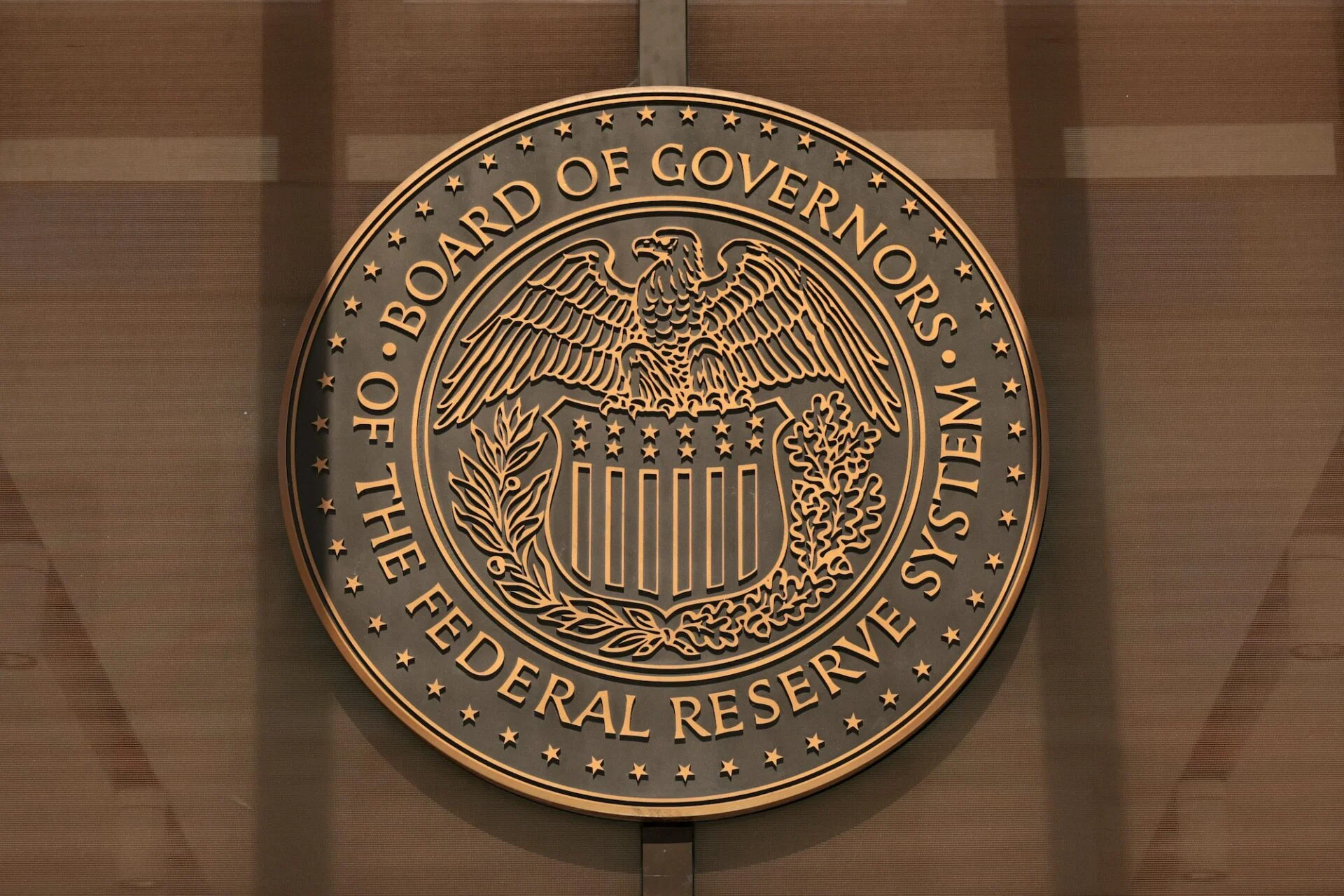
On Wednesday, the US Federal Reserve announced a 0.25% increase in the effective federal funds rate, raising it to a range of 3.75%-4%. This marks the Fed's first rate hike in three years, amidst persistent inflation, soaring energy prices, and escalating bond rates, compounded by the ongoing war with Iran that began in February.
Investors anticipated rate cuts for 2026 that could invigorate capital markets and stimulate mergers and acquisitions. However, the situation shifted dramatically on February 28 when US-Israeli military actions in Iran significantly disrupted navigation through the Strait of Hormuz, a crucial waterway responsible for about 20% of global oil transport prior to the conflict.
Several indicators influenced the Fed's decision to raise rates. Currently, the average gas price nationwide stands at $4.36, up from $3.18 last year, while diesel has reached a record average of $6.31. Brent crude oil prices have surpassed $100 per barrel compared to approximately $68 last year. Inflation rates have also observed an increase, sitting at 3.4% in August compared to 2.9% the previous year. Additionally, yields on US Treasury bonds with 10, 20, and 30-year maturities have surged to their highest levels in decades.
Kevin Warsh, who became Federal Reserve Chair in May, maintained steady rates in his first three meetings despite mounting pressure for action to address rising inflation, which is significantly above the Fed's 2% target. Eventually, the calls for a hike became impossible to overlook, leading to the rate adjustment—marking the first increase since August 2023.
"The decision we made today was the right decision to deliver on the remit that Congress gave us to ensure stable prices… I said we will deliver stable prices, and today’s action is consistent with that," Warsh stated during the press conference following the rate hike.
For the gaming industry, this economic pivot and a return to a higher interest-rate climate could dampen the earlier optimism witnessed in 2026.
Many gaming stocks have lagged behind the broader market in recent years. Most merger and acquisition activity has been driven by private equity firms and other institutions that can better exploit the current depressed valuations. There had been expectations that falling rates could alleviate some of these pressures.
Chad Beynon, lead gaming analyst for Macquarie, said, "Publicly traded valuations are a reflection of the current interest rate environment. Whether it’s a long-term financial model for a growth company or a standard four-wall business, cash flows in a higher interest rate environment are worth less."
Data from Yahoo Finance reveals that the casino and resort sector has seen a -41% decline over the last five years, while the overall gambling sector, which includes major sportsbooks and online operators, has gained +7%. In contrast, the benchmark S&P 500 index has surged by +71% during the same period.
Earlier this year, two major developments in the casino sector suggested a more bullish outlook, including Fertitta Entertainment’s acquisition of Caesars Entertainment in May and the subsequent takeover proposal of MGM Resorts from its largest shareholder, Barry Diller’s People Inc. However, shifting market conditions may complicate both transactions.
Fertitta's General Counsel, Steven Scheinthal, informed the Nevada Gaming Control Board in July that the company had received a letter of intent from banks regarding transaction financing but was delaying due to unfavorable borrowing conditions. Fertitta plans to assume nearly $12 billion in Caesars' debt and has committed to a financing package worth $6.6 billion.
"Our hope is that in the next few months there will be a window of opportunity where the market will be hotter and [it’s] a more interest rate friendly environment where we can go raise the money and then just put it in an escrow account," Scheinthal said at the time.
That anticipated window now appears to be slipping away. Caesars' proxy filing indicated that even during spring negotiations, Fertitta refused to exceed its $31-per-share offer due to heightened financing costs and increased macroeconomic risks. Since late 2025, rising borrowing rates have resulted in "approximately $40 million per year in additional costs from when the process started," the filing noted.
Diller made an all-cash offer of $48.30 per share for MGM just days after the Caesars deal was announced. People Inc. ended Q2 with $1.1 billion in cash, but the acquisition of 74% of shares along with MGM's long-term debt exceeding $6 billion will likely necessitate some financing. MGM has since formed an independent committee to assess Diller's offer but has not issued further updates.
Looking ahead, there is a strong possibility that this month’s rate hike might not be the last. Historically, the Federal Open Market Committee has typically raised rates six to seven times during an upward cycle, and any pauses after an initial hike have occurred infrequently since the 1990s, according to the Wall Street Journal. Warsh expressed optimism about the economy's resilience, stating, "Economic activity is expanding at a solid pace. While uncertainty remains high, due in part to geopolitical developments, domestic spending has been resilient, productivity growth is strong, and capital investment is robust."
Following the rate increase, traders saw the odds of a further rate hike this year rise to 48% on Polymarket. This contract seeks predictions on whether the upper bound of the Fed Funds Rate will reach 4.25% by the end of 2026, while there is now a 21% chance that rates will remain stable for the rest of the year.
Data from Multiples.VC indicates that the average enterprise multiple (EV/EBITDA) for leading US-listed gaming companies currently stands at 10x. Updates from New York University show the overall market average at 23.9x and 19.7x among EBITDA-positive companies, suggesting the gaming sector is undervalued relative to other industries. A recent report by Fitch Ratings indicates that most North American gaming companies maintain a stable outlook with adequate rating headroom despite consumer challenges.
Beynon from Macquarie shared a similar perspective, noting the sector's relative stability even during challenging economic conditions such as the Covid-19 pandemic. He emphasized that the number of bankruptcies in the gaming industry has remained low compared to the broader market, providing both land-based and digital companies with reasons for optimism moving forward. "We’ve thought there’s been value in the sector for a few years, particularly this year," he stated.

