
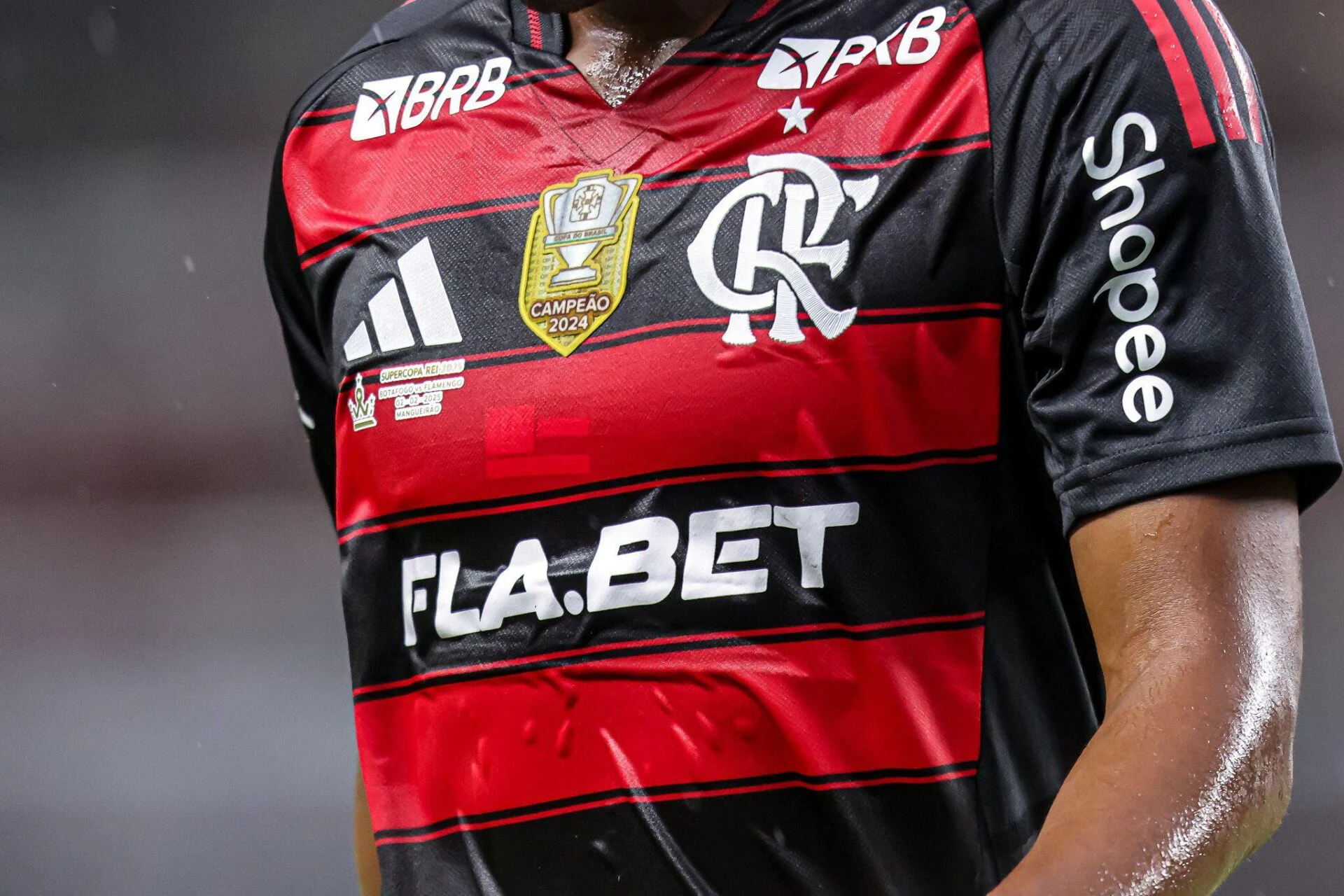
Brazil is facing a potential disruption in its sports funding as football clubs and organizations voice concerns over a recent ban on betting. The Brazilian Football Confederation (CBF) has projected a revenue loss of BRL420 million ($76.5 million) by 2027 due to this ban, primarily related to the loss of naming rights to competitions. Notably, the top-tier league is currently sponsored by Betano and the second tier by Superbet.
The financial repercussions of the betting prohibition were a key topic during a public hearing held at the Supreme Federal Court (STF) on Tuesday. At this hearing, 34 entities expressed their views regarding Provisional Measure 1.394, which enforces the ban on betting in Brazil.
Igor Mauler Santiago, a lawyer for the CBF, revealed that among the 40 clubs in Brazil's top two leagues, 27 are currently sponsored by betting companies. The combined value of these sponsorship agreements reaches approximately BRL1 billion, which represents 35% of the clubs' total sponsorship revenue.
Santiago emphasized that the impact goes beyond just jersey sponsorships, highlighting betting companies' contributions to the values of television rights and pitchside advertising.
“The CBF trusts that the three branches of government will find a reasonable solution that balances health, legal security, and the economic and sporting development,” he stated during the hearing.
Representatives from individual clubs illustrated their reliance on betting sponsorships. Flamengo, for instance, anticipates a loss of around BRL430 million in annual revenue from its master sponsorship with Betano as well as from broadcasting rights. Flamengo Vice President Flávio de Araújo Willeman pointed out that the club had structured its financial plans based on the government's established regulatory framework for betting.
“It was on this basis that Flamengo entered into contracts with betting companies that displayed sponsorships on the jerseys,” Willeman noted, advocating for a regulatory rather than prohibitive approach to address the challenges in the betting sector. “If there are problems with betting, let’s not choose the easiest way out, which is its total repeal. Let’s confront the problem with more effective regulation.”
Fluminense's president, Mattheus Reis e Montenegro, reported that betting sponsorship accounted for 34% of the club’s revenue in 2025 and warned that smaller clubs could see a revenue drop of up to 50% due to their reliance on these funds and income from the Campeonato Carioca, the state championship.
“This Provisional Measure directly affects two of these revenue streams,” Montenegro explained, referencing sponsorships and pitchside advertising as well as broadcasting rights. “It eliminates the main sources of income for football.”
For Botafogo, their sponsorship deal with Vbet, signed in November 2025, marked the largest in the club's history, supporting both the youth academy and women's football. Club representative Bichara Abidão Neto stressed the urgency to halt the consequences of the measure.
Cruzeiro highlighted that its betting sponsorship supports as much as four to five payrolls. José Francisco Manssur, representing the club, insisted that effective regulation is the solution to issues stemming from gambling addiction, not its ban.
Vitória indicated that betting-related sponsorship and advertising contribute nearly 17% of its BRL290 million annual revenue. São Paulo reported around BRL101 million from betting-linked sponsorship and advertising from January to September, noting an ongoing main sponsorship with Superbet that lasts until 2030.
The implications of the betting ban extend beyond professional football. The Brazilian Olympic Committee (COB) estimated that funding generated from betting could hit BRL130 million by 2027, making up roughly 20% of its budget. Including other sports organizations, the total funding loss may reach BRL325 million.
COB representative Pedro Henrique Rebelo de Mendonça cautioned that cuts in funding might lead to the scaling back or cancellation of various planned projects. “Any reduction in revenue implies readjustments or cancellations of planned projects,” he stated, emphasizing the impact on diverse sports federations.
Similarly, the Brazilian Paralympic Committee argued that funding from betting has been crucial for growing Paralympic sports and facilitating inclusion for individuals with disabilities. Its president, Mizael Conrado, described these funds as “fundamental” to the sector's progress.
The National Federation of Professional Athletes (Fenapaf) expressed concerns that reduced funding could lead to job losses and increase athletes’ vulnerability to manipulation in sports.
The clubs' advocacy also underscored the need for legal certainty, as many had signed contracts based on a government-sanctioned betting framework. The Supreme Court, under Minister Luiz Fux, is currently reviewing Provisional Measure 1.394, challenged by ANJL, which is seeking to suspend the ban's effects. Fux is expected to announce subsequent steps in this matter, but no decision was made at the hearing.

