
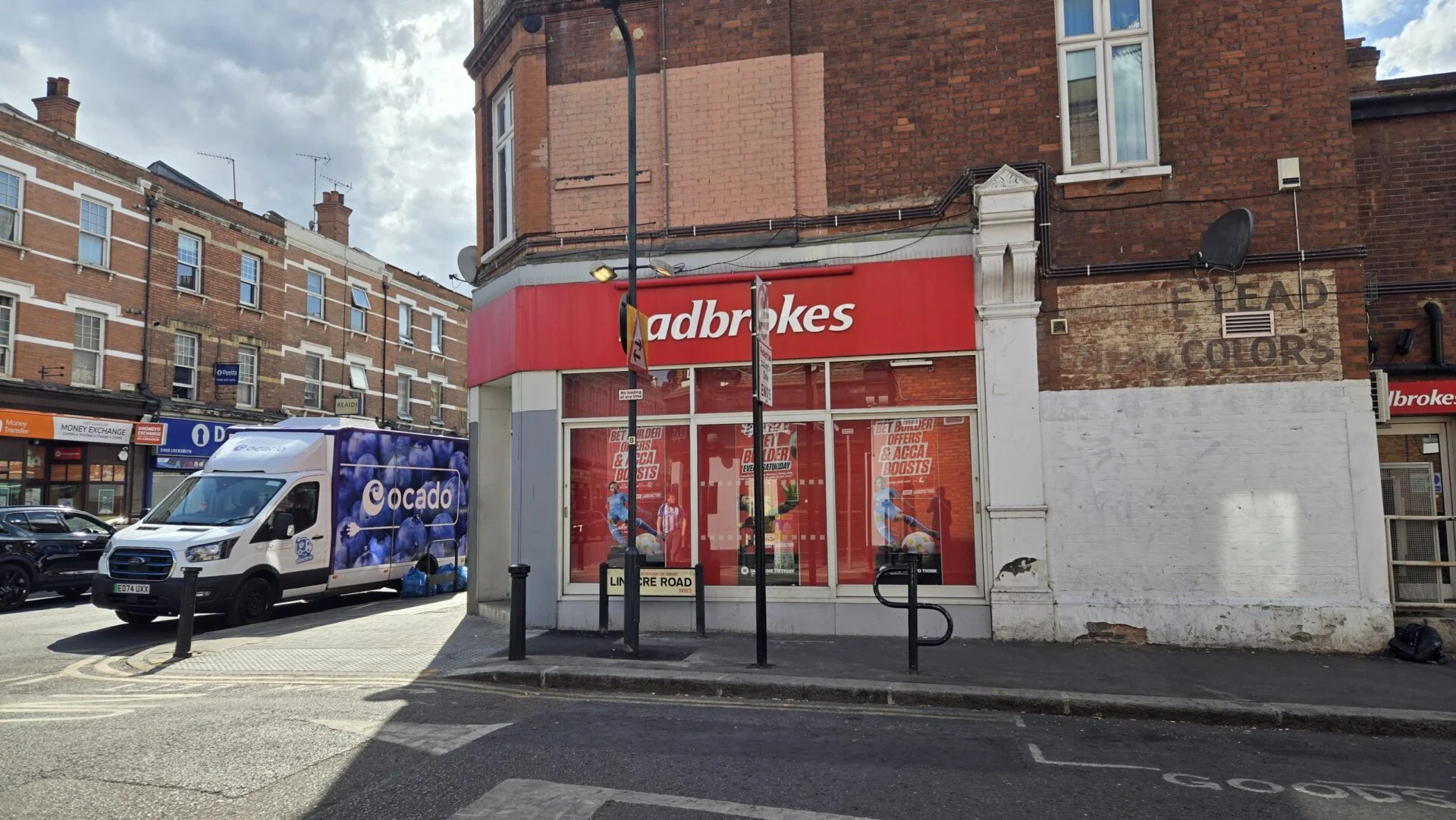
Betting shops have become a common sight on the high streets of Britain, but in Brent, a borough in north-west London, their presence is particularly dense. With a significant number of gambling establishments occupying the local Victorian and Edwardian buildings, Brent has climbed to second place in London for the number of gambling premises. This reality has prompted local politicians to launch a campaign against gambling and their perceived inability to exert control over its expansion.
Local politicians have voiced their concerns through the press, council meetings, and social media, emphasizing the negative impact of betting shops on the community. They played a crucial role in persuading the government to abandon the ‘aim to permit’ clause earlier this month. MP Dawn Butler has been particularly active, leading efforts to mobilize support for her cause, including a collaborative appeal to the Prime Minister. In a bid to combat the gambling crisis, the council declared a ‘gambling harms emergency’ and even sent a delegation to influence government policy, advocating a six-point strategy to limit gambling outlets.
Despite these efforts, an examination of council licensing data reveals that the local authority has not approved a new betting shop license in 13 years. Multiple inquiries to the council regarding their public stance against betting shops, given their last approval in 2013, went unanswered. Reports indicate some council members are more focused on Adult Gaming Centres (AGCs) than betting shops, even though only three AGCs have opened in the area in the last five years.
Interestingly, the overall number of gambling premises in Brent has decreased. In January 2025, the council reported 83 gambling establishments; this number has since fallen to 75, reflecting a net decline of eight in under two years.
Brent's situation mirrors a broader national trend. Prime Minister Andy Burnham’s announcement regarding new measures to limit the proliferation of betting shops was couched in rhetoric framing such businesses as ‘dodgy.’ National gambling shop figures show a consistent drop, from a peak of 9,128 in 2012 to 5,789 in 2025, following the closure announcements from companies like Betfred and Evoke.
AGCs have also seen stagnant growth, with their numbers declining from 2,247 in 2012 to 1,464 by 2019 and plateauing at 1,415 in 2025. Greg Knight, CEO of JenningsBet, reported that the brand opened only four new locations last year. He suggested that the decrease in physical locations has made the political dispute surrounding gambling appear inflated. "What’s Andy Burnham gonna do next, promise to shut down all the video shops?" he questioned.
Scott Longley’s analysis revealed that businesses are increasingly operating in a difficult political climate, but he pointed out that the recent policy shifts seem to stem from political motivations rather than grounded evidence. The decision to eliminate the ‘aim to permit’ clause — a fundamental element of the Gambling Act — has appeared to prioritize political goals over meaningful regulatory reform.
A significant concern has arisen from the fact that eight councils supporting Brent’s campaign did not conduct a single gambling premises inspection in 2025/2026, the primary method for councils to assess gambling-related harm. Nationwide, 124 of England’s 350 licensing authorities conducted no inspections last year. Louisa Clark, a compliance specialist, stated emphatically that a lack of evidence is already a growing concern set to worsen with ongoing changes.
Although Butler claimed victory in her opinion piece, the future of council licensing in light of this abolition remains unclear. Clark cautioned against oversimplifying the implications of removing the ‘aim to permit’ language, emphasizing the necessity of understanding what would replace it.
The introduction of Gambling Impact Assessments (GIAs) through an April devolution bill is anticipated to allow councils to deny new gambling premises licenses based on specific evidence related to licensing objectives. This new measure invites scrutiny as to why the ‘aim to permit’ was revoked if an evidence-based strategy was on the verge of implementation.
Knight noted that the elimination of ‘aim to permit’ would not substantially influence JenningsBet, as a focus on acquisition drives growth. However, he expressed puzzlement over the simultaneous introduction of GIAs, which would offer councils evidence-based mechanisms to deny licenses.
Industry voices have raised the alarm regarding the misapplication of gambling policies to address broader concerns such as high street composition. Clark commented that these regulations should focus strictly on gambling risk rather than attempting to reshape the high street. Lyman outlined the need for caution to prevent a regression to pre-1961 conditions, whereby illegal operators would meet gambling demand if regulations become too strict.
There’s an emphasis on ensuring clarity over the implications behind the elimination of ‘aim to permit’. Given Burnham’s focus on high street aesthetics, it is believed that the government might be looking at Section 153 of the Gambling Act, which currently guides councils to favor approval decisions. However, ambiguity lingers as Section 22 also requires the Gambling Commission to ‘aim to permit’ gambling, creating questions about the full scope of potential amendments.
The image of gambling in Britain adds layers of complexity to ongoing discussions. An example from Somerset illustrated a council denying an AGC, citing concerns over societal impact. One councillor bluntly stated their personal disdain for gambling, reflecting a growing sentiment about its negative implications.
The industry's reputation and public perspective have shifted, particularly with the increase in online gambling. Knight noted that retail gambling has changed significantly since 2007, with community aspects fading as online options proliferate. Community-focused initiatives, like those organized by JenningsBet, are seen as potential remedies for improving public perceptions.
The stakes remain high for the gambling industry as they grapple with multiple challenges, including forthcoming affordability checks and potential tax hikes. As Knight observed, while he views the trajectory for retail gambling as a normalizing process, the real concern for many in the sector lies in political attitudes, emphasizing that public sentiment can directly affect regulatory decisions.
The Betting and Gaming Council is keen to underscore the economic contributions of the gambling sector and advocate for evidence-based policy. Nevertheless, as Knight pointed out, the ongoing political climate poses significant uncertainty for the future of gambling in the UK.

