
Following its acquisition by Entain in 2023, Angstrom became a frequently mentioned player in the betting industry but remained largely under the radar. Often referenced in earnings calls by Entain and its subsidiaries, such as BetMGM and MGM Resorts, the full scope of Angstrom’s operations was not well understood. However, that seems to be changing as Angstrom's endeavors in developing a free-to-play game named Seven were highlighted in a recent press release from Entain.
This shift not only signifies a newfound visibility for Angstrom but also indicates a trend in the evolution of betting products in the approaching years. Ross Jarvis, Angstrom's director of strategy, remarked, "If you had told me – or anyone on the leadership team – a couple of years ago that building a customer-facing, free-to-play (F2P), mass-market app, and creating a brand as well as a product, would be on Angstrom’s roadmap, I don’t think many people would have placed that bet."
The company was originally acquired by Entain for its expertise in U.S. pricing and modeling, but the development of the Seven F2P game marks a shift towards empowering specialist B2B firms to act as internal “dev shops.” This model allows relatively independent teams to utilize their technological know-how to create products beyond their initial scope.
Leo Gaspar, founder of Adria Nexus Consulting and former co-founder at Huddle, notes that the boundary between providing technology and developing consumer-focused solutions is blurring. He pointed out, “The strongest specialist companies increasingly understand not only the technology they provide, but the consumer problem that technology can solve.”
As major operators already possess substantial tech and product teams, they face the challenge of balancing platform maintenance, regulatory compliance, and local product adaptations. Marc Thomas, managing director of Algosport, likened some operator platforms to a “little Frankenstein,” which have been continually modified over time. As a result, internal teams often find themselves preoccupied with maintaining existing functionalities rather than innovating new products.
Angstrom’s approach shows how specialists can streamline focus and reduce dependence on larger organizational structures. The journey for the Seven project began with conversations between Jarvis and Angstrom CEO Jonathan Blezard, which led to an authorization from Entain to proceed with an 18-month development timeline.
The company utilized its modeling expertise to inform the consumer experience. By analyzing historical English Premier League data, Angstrom was able to devise the prize structure and determine the frequency of potential scoring events.
Gaspar emphasized the advantage that specialists gain during the initial phases of product exploration, asserting, “The best ideas often come from understanding what is technically possible before everybody else does.” The operators contribute essential assets—such as brand recognition, customer data, and operational compliance—that facilitate the transition from experimental concepts to scalable products, allowing specialists to maintain focus on their specific domain.
Tensions can arise, however, as operators may impose the complexities that hinder innovation. Thomas suggests that integration processes should be approached with caution: “Basically, try and leave them alone.” Gaspar further clarifies the difference between integration—granting access to operator resources—and absorption, which risks the dilution of the specialist’s value.
The success of a specialist can be evaluated by determining whether it can move from concept to customer trial much more quickly than the larger organization.
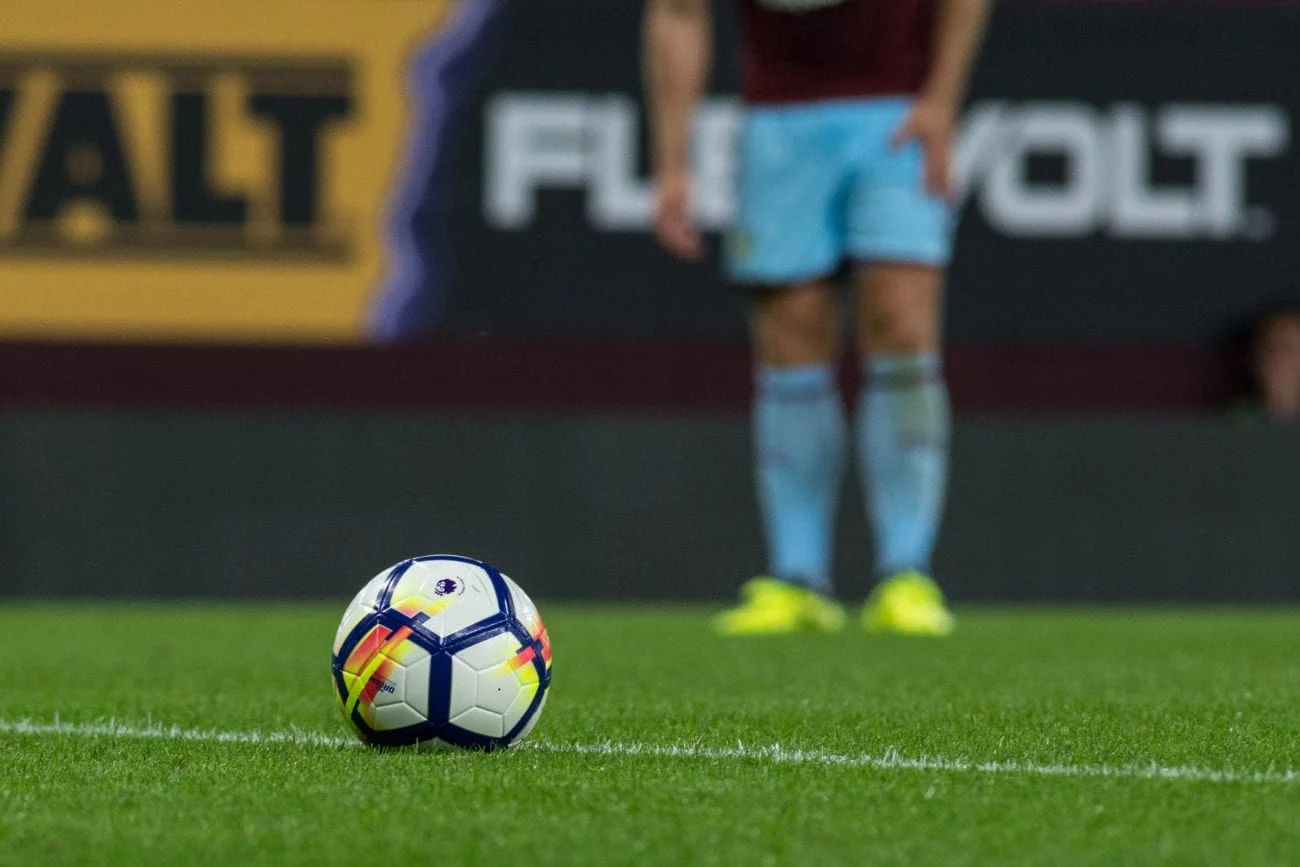
The game Seven also showcases the prospect of reusable intellectual property. Although Entain has debuted the game based on UK Premier League football, their ambitions extend to other sports and markets. Angstrom is already investigating the adaptation of its scoring mechanics for NFL touchdowns.
According to Gaspar, a reusable capacity holds more strategic value than creating bespoke developments, provided it evolves beyond identical products. “You might have one core piece of IP underneath several very different consumer propositions,” he explained. For operators, each additional implementation becomes more efficient, while suppliers can generate assets rather than just completing projects.
Thomas noted that Algosport faces similar trends, where its core offerings through Blackbox software can be tailored further, positioning them more as partners for innovative companies.
Monetarily, the returns on these partnerships might not always be directly visible as revenue; new products can enhance customer acquisition, retention, and differentiation. Moreover, reusable tech can lower development costs and reliance on external entities.
For independent B2B suppliers, there are inherent risks. A supplier that partners closely with a single operator may inadvertently become a development team dependent on that client’s agenda. Gaspar describes the key strategy as customizing “the last mile rather than rebuilding the engine for every customer.”
Not all functionalities will necessarily shift in-house, as Thomas pointed out. Major operators might hesitate to invest in proprietary developments for less lucrative sports, while suppliers catering to multiple clients can leverage economies of scale.
The betting dev shop, therefore, fills a critical niche between being fully integrated within an operator or remaining entirely independent. Competitive dynamics are shifting from merely who employs the developers to whether operators can effectively harness specialist capabilities and translate them into desirable products for consumers.

