
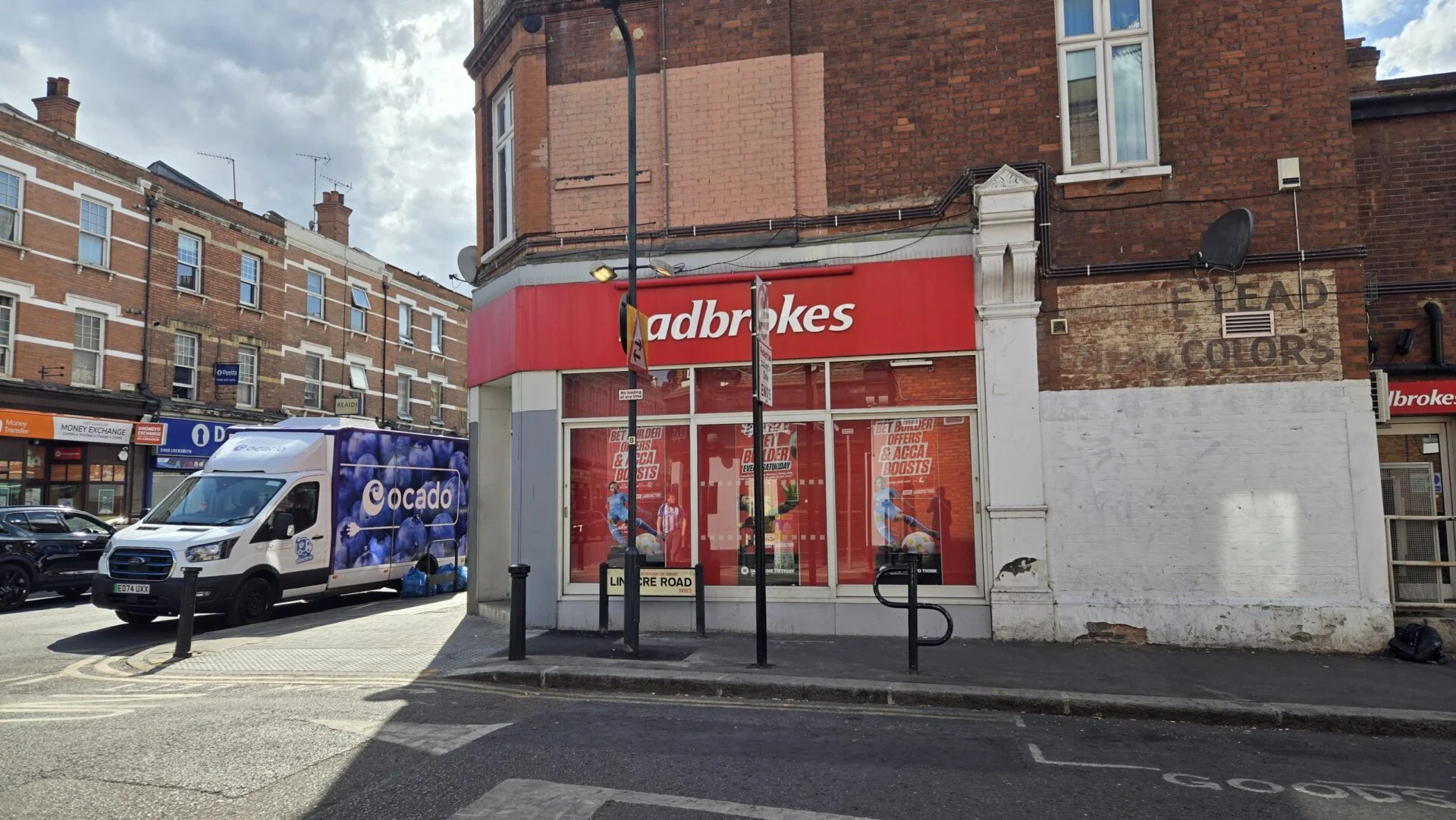
The high streets of Britain are unmistakably marked by betting shops, and in Brent, a borough in north-west London, their prevalence stands out even more. Here, the Victorian and Edwardian facades house so many gambling establishments that Brent ranks second in London for the number of gambling premises. This alarming statistic has led local politicians to embark on a campaign against the gambling industry, voicing their concerns about the associated harms and their limited ability to manage the growth of these businesses.
Among those at the forefront is local MP Dawn Butler, who has engaged in public advocacy and organized a cross-party letter directed at the Prime Minister. In early April, as part of their initiative, the council declared a ‘gambling harms emergency.’ They even sent a delegation to Number 10 to present a six-point plan aimed at curbing the proliferation of gambling outlets in the area.
Despite their vocal opposition, local licensing data reveals that the council has not approved a new betting shop licence since 2013. Requests for comments from both the council and MP Dawn Butler regarding this contradiction went unanswered.
Internally, some council members reportedly prioritize concerns about Adult Gaming Centres (AGCs) instead of betting shops, although statistics indicate that only three AGCs have been established in Brent over the past five years. Overall gambling establishment numbers have declined as well, with the council reporting 75 licensed premises as of January 2025, down from 83 just two years prior.
Brent’s situation mirrors a broader trend occurring nationwide. Prime Minister Andy Burnham’s recent announcement to simplify the process for councils to reject new betting shops was framed as a response to the prevalence of ‘dodgy businesses.’ However, national data shows a steady decline in betting shop numbers, from a peak of 9,128 in 2012 to just 5,789 in 2025. Recently, operators like Betfred and Evoke have detailed plans to shutter hundreds more locations.
The number of AGCs has seen minimal change as well; Gambling Commission data records a drop from 2,247 AGCs in 2012 to 1,415 in 2025, with numbers stabilizing in recent years. Greg Knight, CEO of JenningsBet, noted that his company opened only four new locations last year, interpreting the declining shop numbers as indicative of the political motivations behind the scrutiny directed toward retail gambling. He remarked, "What’s Andy Burnham gonna do next, promise to shut down all the video shops?"
This increased scrutiny comes as businesses face a “markedly harsher political backdrop,” as described by Scott Longley in his Earnings+More newsletter. Yet, many of the recent policy changes do not appear to stem from evidence-based decision-making. The controversial move to eliminate ‘aim to permit’—a critical feature of the Gambling Act aimed at achieving a balance between liberty and harm—seems more aligned with political agendas than necessary regulatory reform.
In fact, eight councils that joined Brent in urging the government to scrap aim to permit did not conduct any gambling inspections during the 2025-2026 period, the essential measure to ensure compliance and monitor gambling harm. Nationally, 124 out of 350 licensing authorities failed to carry out any inspections last tax year.
Louisa Clark, a compliance expert and founder of RulePlay, emphasized that evidence plays a crucial role in this discussion. She warned, "Evidence is a massive issue as well. It’s already an issue now, it’s going to become an even bigger issue."
Despite Butler's vocal support for the abolition of aim to permit, she published an opinion piece claiming victory without outlining subsequent steps, highlighting a lack of clarity about future licensing procedures. Clark expressed concern over this confusion, noting the potential impact of the recent introduction of Gambling Impact Assessments (GIAs). Set to take effect soon, these assessments will empower councils to deny new gaming licenses if evidence suggests they could undermine local licensing objectives.
Knight indicated that the elimination of aim to permit might not significantly affect JenningsBet, given its strategy focused on acquisitions. He mused about the inconsistency of overturning aim to permit when evidence-gathering mechanisms were on the horizon. Clark asserted that this policy shift is leveraging gambling regulations to address broader societal issues like high street composition.
Andrew Lyman, Gibraltar’s Gambling Commissioner and former UK Gambling Commission director, shared concerns about the unaddressed rationale behind the decision, noting that recent policies had already curtailed betting shop proliferation. He warned against a return to an illegal gambling market if unnecessary restrictions were enforced, stating, "Government really needs to take care that gambling policy does not take us back to before 1961."
The current climate surrounding British gambling is fraught, complicated by a growing image problem. Local council members, for instance, have recently rejected planning applications for AGCs based on concerns about potential anti-social behavior and degradation of town centers, reflecting a deep-seated skepticism about gambling itself. One councillor expressed, "I don’t gamble, but I don’t understand why it is a good thing. Whatever the regulations say, we know [gambling] is an issue."
Industry leaders have acknowledged the shift in public perception, particularly as the move to online gambling transformed the retail space. Knight believes that fostering a sense of community can counter the negative image; at JenningsBet, he facilitates social events to engage customers beyond mere betting activities.
However, the political climate continues to shape gambling policies, impacting their alignment with the Gambling Act’s intent to regulate gambling as a legitimate leisure activity. The stakes are significant for the industry. The Betting and Gaming Council advocates for evidence-driven, proportional policies that recognize the sector's contributions to the economy and regulatory landscape.
Despite facing numerous challenges—including affordability checks, a mandatory industry levy, and potential tax hikes—Knight remains hopeful for UK retail, interpreting the store closures as a necessary readjustment rather than an industry collapse. He believes that demand remains robust in the market but expresses concern over ongoing political decisions, acknowledging, "My big concern is political."

