
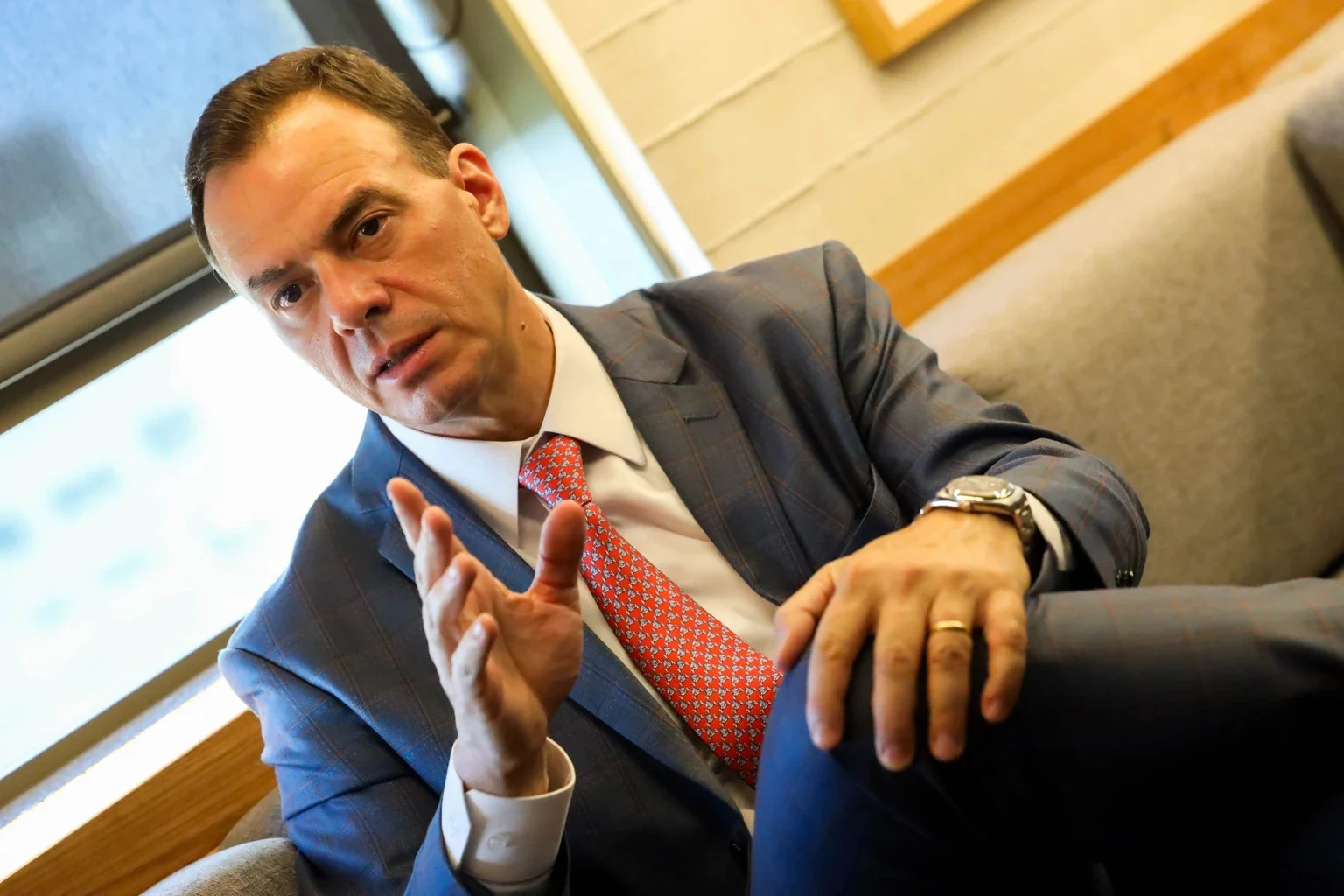
Plínio Lemos Jorge, the President of the National Association of Gaming Law (ANJL), recently discussed the rapid expansion of Brazil's betting industry and the substantial revenue it has generated in the first five months of the year.
He pointed out that revenues surged from BRL3.1 billion ($620 million) in the same period of 2025 to BRL5.89 billion in 2026. "This leap reflects the progress of the regulated sector, with benefits back to society through tax contributions," Lemos Jorge stated.
The anticipated revenue boost from June, linked to the World Cup, is still to be officially announced. Lemos Jorge noted, "It was the first World Cup played with the Brazilian market already regulated. Football brought consumers closer to responsible entertainment platforms."
He emphasized that authorized operators followed stringent regulations during the tournament. "The SPA reinforced requirements regarding integrity, advertising, and communication prior to the competition. This is crucial for the sector's sustainability."
The ANJL president highlighted various fan engagement initiatives that allowed digital brands to connect with audiences beyond traditional platforms.
Concerning new advertising regulations, Lemos Jorge views them as an essential safeguard for both bettors and operators. He argues that clearer and more responsible advertising standards are vital at this pivotal moment for the industry.
However, he expressed concerns about local municipal advertising bans, emphasizing that the Constitution assigns commercial advertising authority to the federal government. "Divergent local rules could create legislative confusion and legal uncertainty for operators," he commented.
As elections approach, Lemos Jorge anticipates increased political scrutiny of betting companies, urging the industry to remain resilient and focused on responsible gaming. He remarked, "Once this turbulent period passes, we believe the market will likely face less criticism."
A pressing challenge is the proliferation of illegal betting sites, which could thrive if regulations make the formal market less viable. Lemos Jorge declared, "We cannot let our guard down. What encourages us is that the government, as a whole, has recognized the need to combat this issue."
In a recent interview regarding the sector's performance in the first half of 2026, Lemos Jorge reiterated that while the Federal Revenue Service has yet to release comprehensive data, the significant tax revenue increase reflects the positive growth of the regulated market. He also noted that the World Cup's effects will be significant, with soccer enthusiasts engaging more with regulated betting options.
He stated, "This World Cup was the first under a regulated market in Brazil."
When asked about compliance during the tournament, he confirmed that all operators under the Ministry of Finance adhered to strict regulations, including Law No. 14.790/2023 and guidelines from the SPA. He mentioned a Technical Note issued prior to the competition that established specific rules for advertising and marketing.
Lemos Jorge noted that physical activations by betting companies were key highlights of the World Cup, fostering deeper connections with fans through partnerships and promotional events.
However, he acknowledged that the industry faces criticism regarding advertising practices, particularly from sectors that view betting as a threat. He conveyed confidence in the regulatory framework, stating that any lapses during the World Cup would be addressed by regulatory authorities such as Conar and the SPA.
On the new advertising regulations, he is optimistic, viewing them as necessary for enhancing safety and transparency within the industry.
In light of local bans on advertising in cities like Rio de Janeiro and João Pessoa, Lemos Jorge stressed the legal inconsistencies that arise from such measures. "The Constitution reserves authority over commercial advertising for the federal government," he reiterated.
He believes the industry should pursue self-regulation and transparency to build a better public understanding of advertising practices. Although he acknowledged that scrutiny often focuses disproportionately on the betting sector, he expressed hope for stronger messages around responsible gambling from new regulations.
Looking ahead, the upcoming elections are expected to create further challenges for the betting market, with leading candidates targeting the industry as a scapegoat. Lemos Jorge asserted the need for the sector to advocate for responsible gaming practices.
Illegal websites continue to hold a significant share of the market, a situation likely to worsen with regulatory burdens that threaten business sustainability. He has noted a decrease in illegal sites but emphasized the ongoing need for vigilance. "The government recognizes the importance of combating this issue, and our partnership with Anatel and the SPA focuses on monitoring and intelligence gathering in the betting market," he said.

